Works

Fish Icon
Child fishing
lshelley

Education Programs

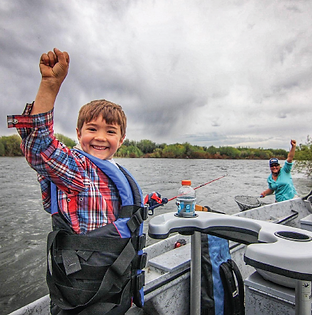
The SFI works with local schools, community groups, residents, and visitors who want to learn more about the amazing fishery, watershed, and ecosystem in their backyard! Local students also help with South Fork restoration projects by growing and planting native trees and shrubs along tributary creeks. For more information on current and future projects, flow adjustments, or other South Fork information, follow us on social media.
Read More »
lshelley

Restoration and Access

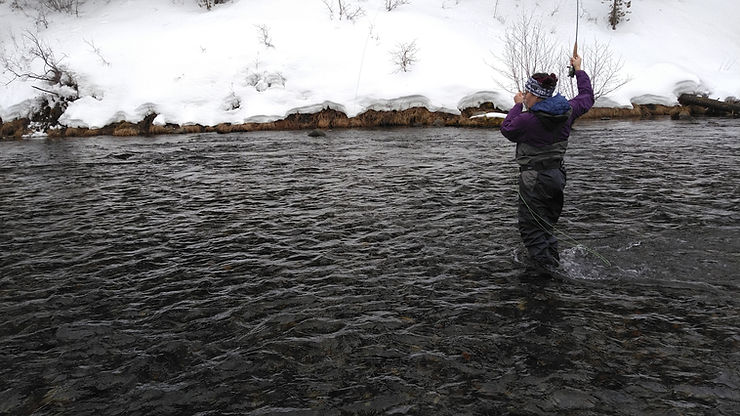
The South Fork Initiative collaborates with local, state and federal partners on restoration projects, restoring and enhancing habitat for native fish and wildlife. The SFI also helps restore, build, and maintain access sites in the South Fork Watershed.The South Fork Initiative collaborates with local, state and federal partners on restoration projects, restoring and enhancing habitat for native fish and wildlife. The SFI also helps restore, build, and maintain access sites in the South Fork Watershed.

Read More »
Small aquatic big
lshelley

Monitoring: Insects and Water

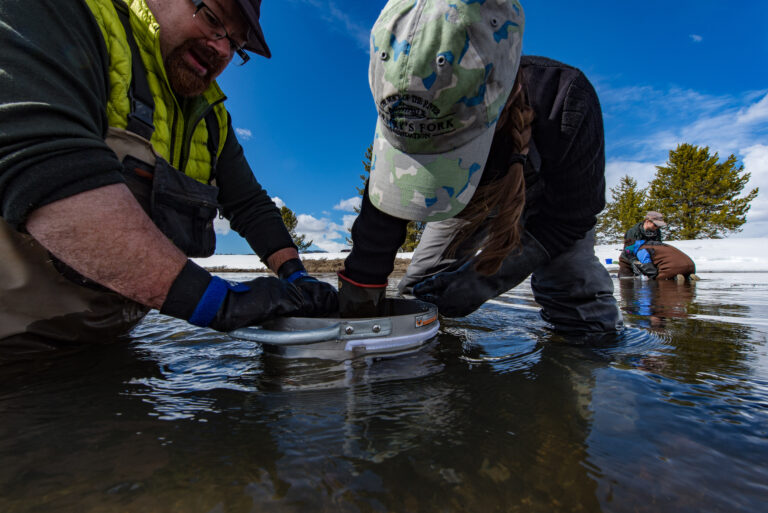
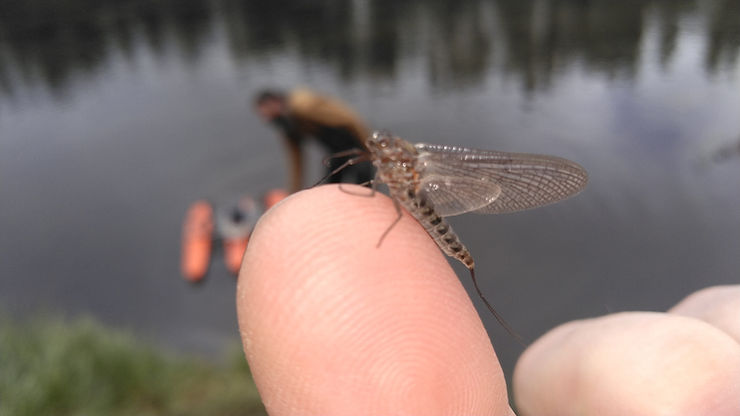
Annual aquatic insect monitoring helps us better understand the quality of habitat, hatches, and river health. The SFI also uses in-river monitoring equipment to collect information on water temperature, dissolved oxygen, turbidity and more, in real-time. View that data anytime on HFF’s water quality website.

Read More »
man fly fishing
lshelley

Social Science and Economics

HFF uses social science and economics research to incorporate human factors like the fishing experience, into the physical, chemical, and biological aspects of watershed management. Current work includes assessments of recreational use and river user conflicts, economic value of angling, and socioeconomic tradeoffs among different water management scenarios. HFF has recently developed innovative methods for efficiently estimating river use, and its expertise in this area is sought after by partners.

Read More »
taking water samples
lshelley

Fisheries Biology and Management

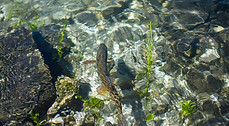
Over the decades, HFF’s involvement in fisheries biology has ranged from support of research into factors limiting Rainbow Trout populations to multi-agency inventories of native Cutthroat Trout. Current projects include operation of the Buffalo River fish ladder and detailed studies of how fish use habitat in reaches of the river with abundant aquatic vegetation. HFF’s site-specific fisheries work complements broader programs and management implemented by Idaho Department of Fish and Game to maximize abundance and size of wild trout.

Read More »
underwater plants
lshelley

Aquatic Ecology and Water Quality

HFF studies and monitors aquatic ecology and water quality to assess the ecological health of the river. A real-time water-quality data network provides hour-by-hour measurements of key properties such as temperature and dissolved oxygen, while annual invertebrate (insect) sampling and long-term studies of aquatic vegetation identify trends and provide information that can help managers improve river health, fish habitat, and fishing conditions. This information is also critical to HFF’s Voice of the River work, advocating for the river’s best interest and protecting the river from potentially harmful activities.

Read More »
Watershed
Eric Isaacson

Hydrology and Water Management

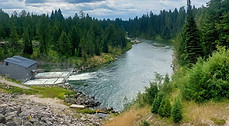
First and foremost, trout need water, which is why hydrology and water management has been a cornerstone of HFF’s work since the 1990s. HFF’s predictive models, water-supply summaries, and real-time flow measurement enhance the utility of data collected by state and federal agencies. Research on the relationship between groundwater and surface water has led to development of innovative water conservation strategies that inform the work of HFF’s Farms and Fish program and regional conservation partners.

Read More »