The Story Behind the Data

Home » Blog » The Story Behind the Data

As an undergraduate studying economics and environmental studies, I have done my fair share of data analysis and modeling. I applied to work at the Henry’s Fork Foundation this summer to experience the other side of research; the groundwork and data collection. My econometrics professor would always reiterate to our class that when we are modeling data, we are taking numbers (data) and eliciting their story. If modeling data is telling a story with numbers, then data collection must be like raising the numbers from the dead and giving them the possibility to be a story. While this nerdy and possibly romanticized idea of data had me excited to join the foundation, it has not been the most rewarding part of my job. What I have found to be the most meaningful part of collecting data has been an unexpected connection to the Last Chance boat ramp. 

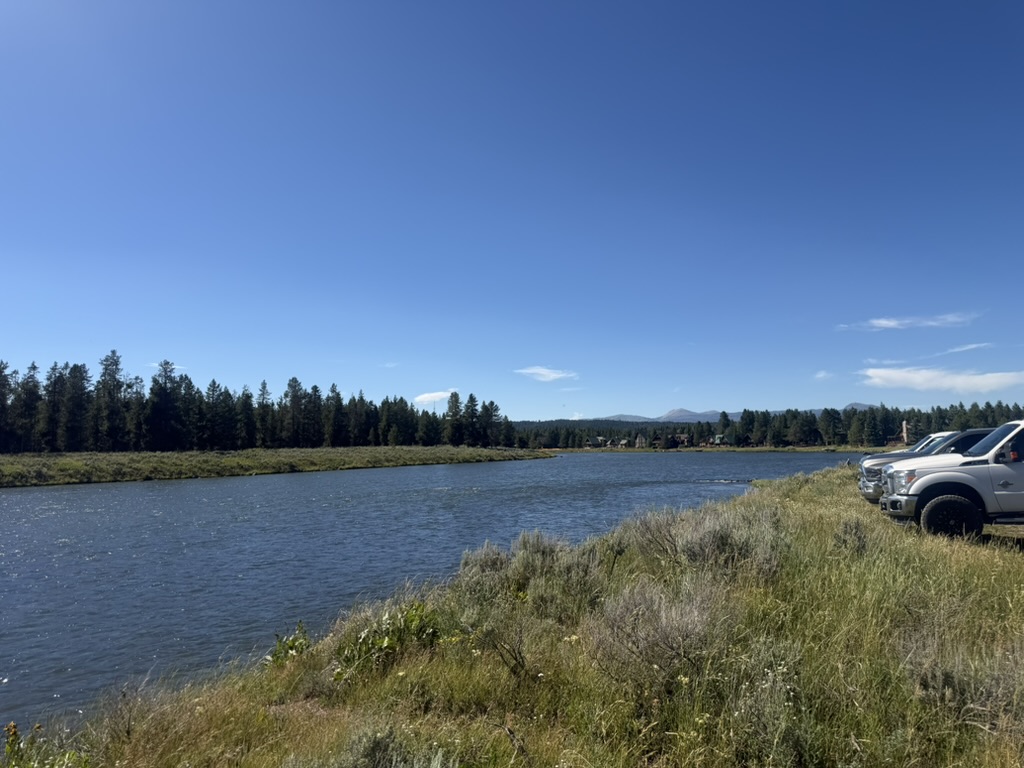
My work this summer is focused on the Foundation’s Floater Use Survey. The Foundation conducts this survey every few years to better understand how many people and on what vessel types are going down the river. To gather this data, we set up two trail cameras to track floaters and conduct randomized two-hour observation periods where I sit by the river at Last Chance and manually count the floaters passing by.  

During these hours spent at the boat ramp, I have become well connected to this stretch of river. I know what times to expect mule deer emerging from the trees, what parts of the river to scan to see fish rise, and what bugs to expect hovering on the water. There are certain blocks of observation where I know the river will be full of floaters and other times where I do not expect to see anyone. I know when the guided fishing trips will be passing by and when I am more likely to see kids floating down on tubes. I have learned when the porta-potty is going to be cleaned. The Last Chance boat ramp has a rhythm that I have learned through countless hours of observation. 

My time at the foundation served as a reminder that data only tells one, though important, facet of the story. While I will attempt to tell a part of the story through my work, my time spent counting floaters has given me a more complete understanding of Last Chance boat ramp through its rhythm of its bugs, deer, fish, and even the porta-potty. 

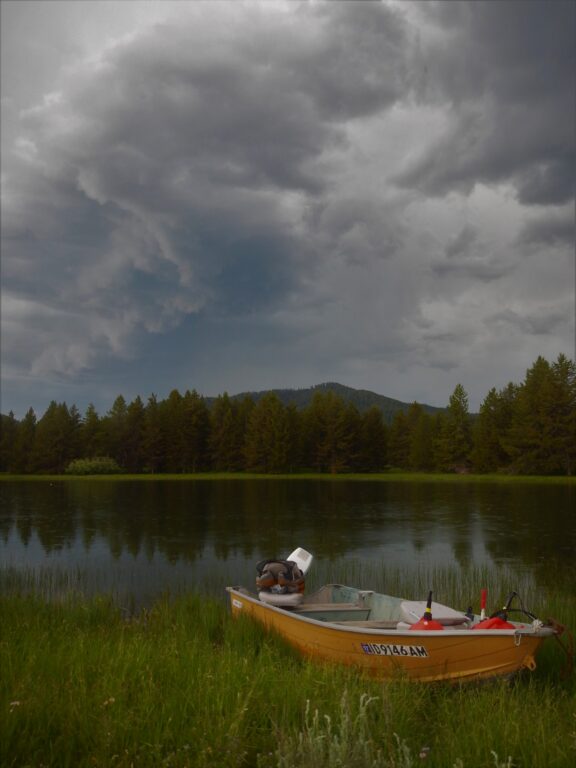
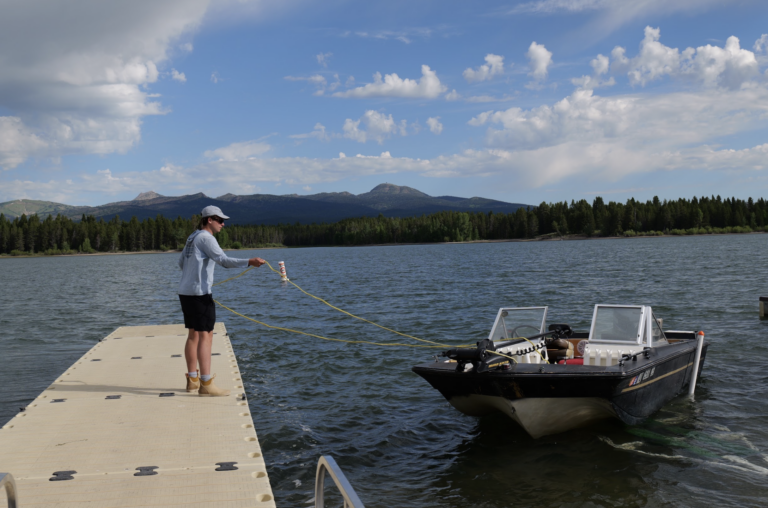
Preparing for IPR sampling at Island Park Reservoir
Facebook
LinkedIn
Pinterest

Recent Posts

Intern
Sam Pruitt

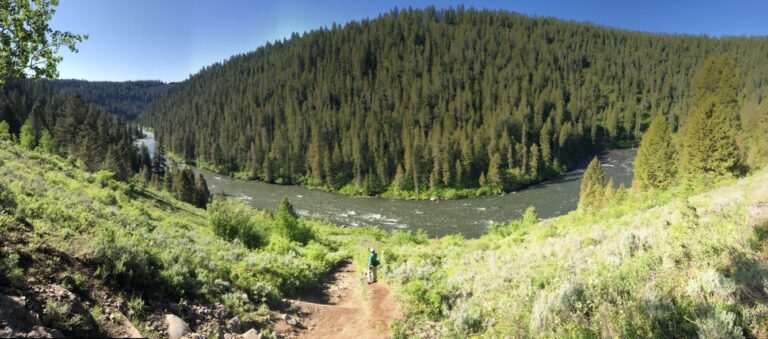
From River Bottoms to Mountaintops

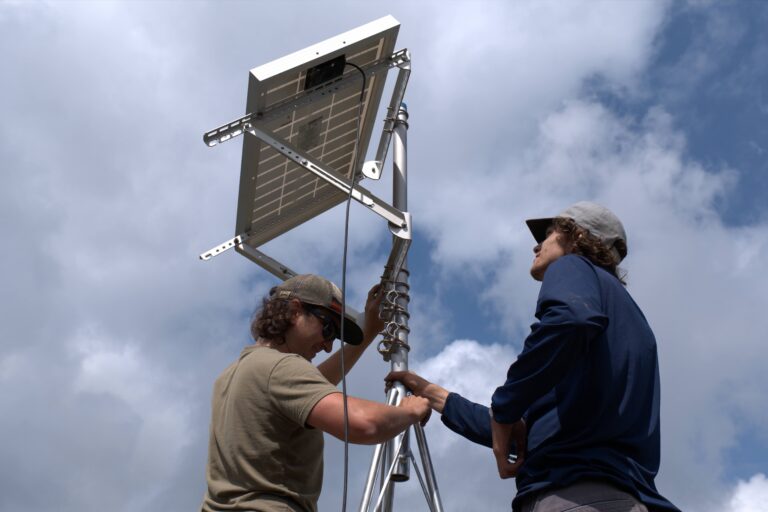
For the first half of my internship, it was unclear if we would get to install the snow monitoring stations. With only three weeks left in my internship, the parts arrived, the permitting was approved, and I am happy to say that we have three stations in the ground! Dr. Lang, Joe, and I were like three kids on Christmas opening up all the boxes, only a little more careful due to the fragility of
Read More »
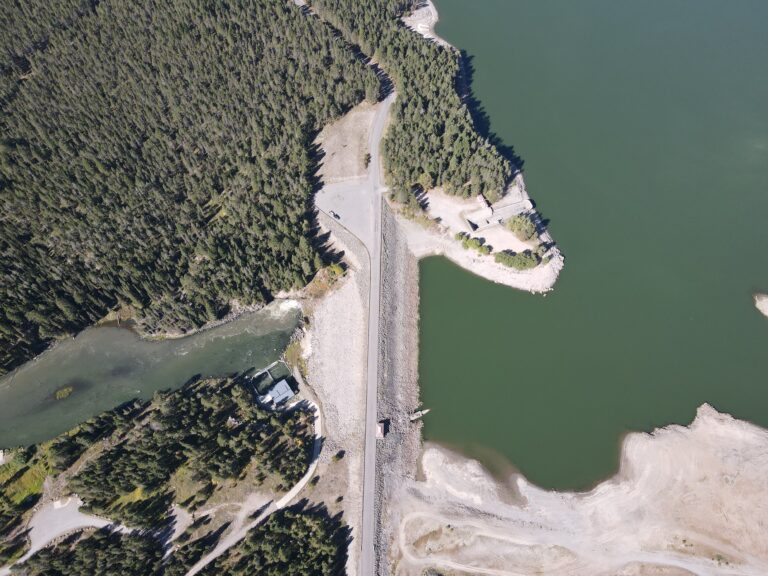
Drone image of Island Park Dam, where a low lake level is visible on the right (above the dam) and turbid outflow is visible on the left (below the dam).
Water Quality
Christina Morrisett

October Forecast for Water Quality in Island Park

Drone photo of Island Park Dam taken on September 9, 2026 Looking Back on September September brought lows and highs to Island Park. Island Park Reservoir started September at 29% full and quickly fell to a low of 12% full on September 19. The rapid drawdown of the reservoir was the result of managers needing to move water downstream to American Falls (to irrigate farms in the Magic Valley with senior water rights). Such low

Read More »
Water Quality
Christina Morrisett

Breathing Easy: Oxygenation in Island Park Reservoir

This story was written by Audrey Hunter (2026 intern) and was originally published in the Fall 2026 Newsletter. It’s no secret that late summers on Island Park Reservoir haven’t been in perfect conditions in recent years. Warm, turbid, algae-filled water plague reservoir recreationists while diminishing water quality downstream. Cyclical algal blooms decrease water clarity and create less-than-ideal circumstances for the reservoir’s flora and fauna. What’s the solution? HFF’s DIRTT Plan. In-Reservoir Oxygenation Nutrients released from

Read More »