Meandering

Fish Icon
Home » Blog » Meandering
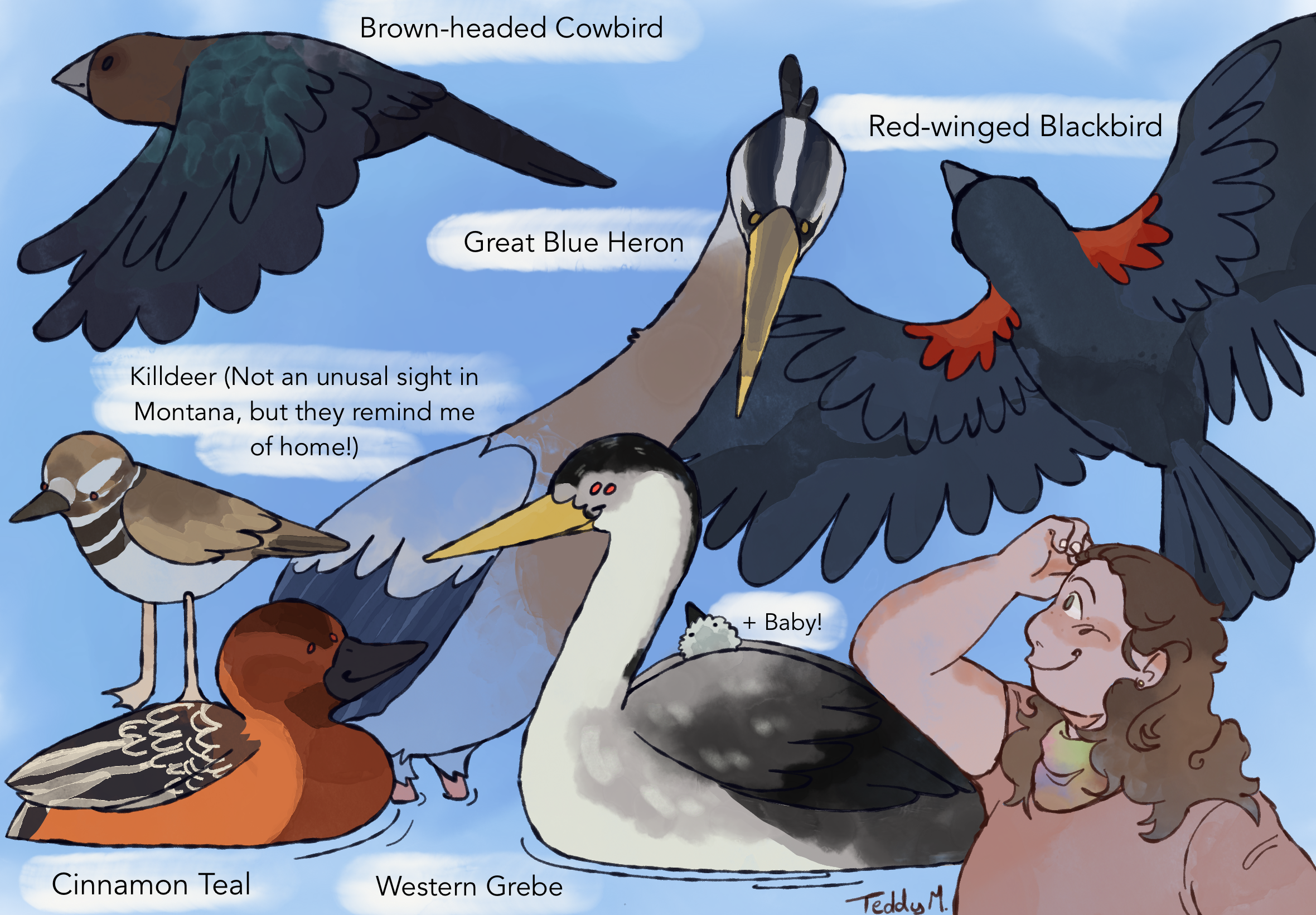
Digital illustration of assorted birds: Brown-Head Cowbird, Red-Winged Blackbird, Great Blue Heron, Killdeer, Cinnamon Teal, and a Western Grebe with her baby.

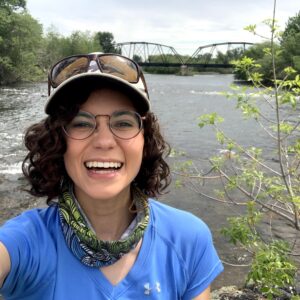
Happy July folks! My name is Teddy Montalvo and I am a rising junior from the University of Montana Western brought to Idaho by the Max S. Baucus Institute. My primary study is Environmental Sustainability with minors in Naturalism and Visual Arts. Hailing from my home town of Terry, Montana, I have adjusted to my new small town living without a hitch. In fact, everyone I have met so far has been more than pleasant and welcoming! It is easy to poke my head around town when there are so many friendly faces both in and beyond the Foundation walls.

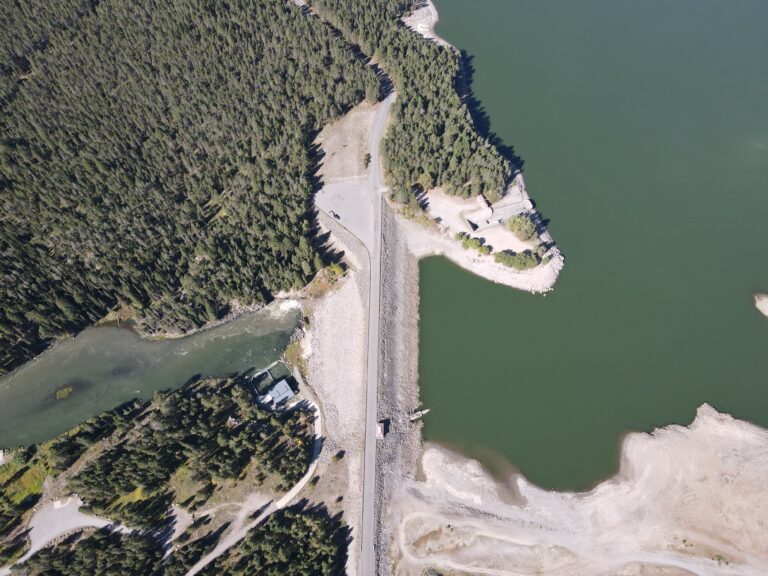
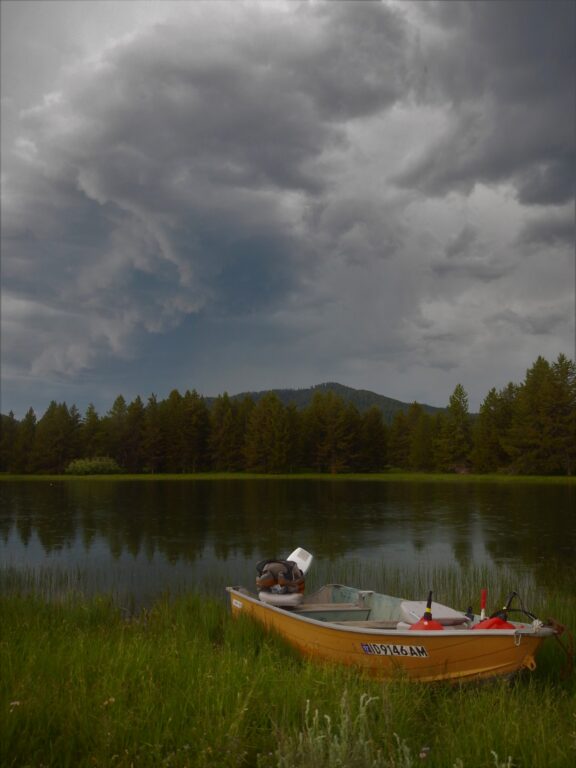
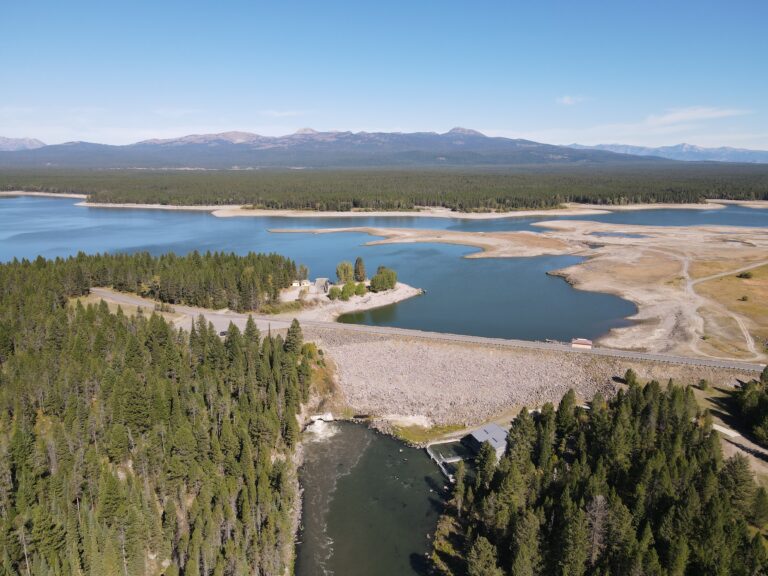
Already halfway through my 8 weeks with the Henry’s Fork Foundation (which I try not to think too hard about), I have been focused on illustrating water quality concerns the HFF DIRTT Plan aims to address. This, so far, has entailed detailed digital illustration of how factors like turbidity, temperature, and dissolved oxygen affect Island Park Reservoir and the Henry’s Fork downstream. I have invested a lot of time into each part of the process, from understanding the impacts of each factor to finding a way to infuse those ideas into a visual format! Although most of my work requires becoming close acquaintances with my desk, it is not impossible to spot me out and about—you may have seen me jumping chairs to flag bidders during the Henry’s Fork Days auction! I also tend to dabble in water quality fieldwork to tighten my grasp of the reservoir concepts I have read about and help frame my digital illustrations accordingly. Fieldwork has also been great for having someone more experienced than me can point out all the cool birds.

Digital illustration of assorted birds: Brown-Head Cowbird, Red-Winged Blackbird, Great Blue Heron, Killdeer, Cinnamon Teal, and a Western Grebe with her baby.
Some of my favorite bird sightings so far.

I am working through a lot of first-time experiences while I am in Ashton: first time leaving Montana for more than two weeks, first internship, and my first official illustration work. When I tacked Visual Arts onto my Environmental Sustainability degree, I was mostly doing it to maintain my love for the arts, thinking that ultimately it would fall to the wayside. Now I am eating my words, and they taste great. There has been a lot of nerves throughout, but it is all manageable with the support of my mentor Christina, staff, and the other interns! The nature of the area is also a great motivator for my work. It is easy to get invested in the art when the environment gives you a gorgeous reference.

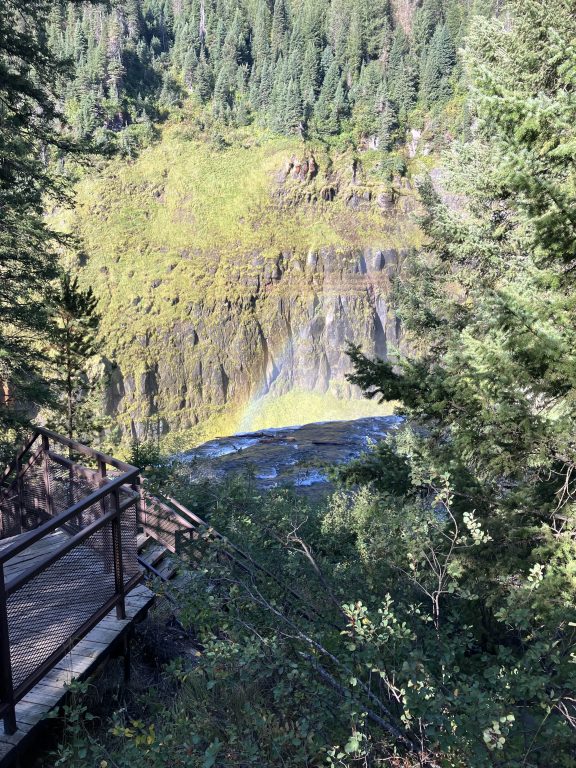
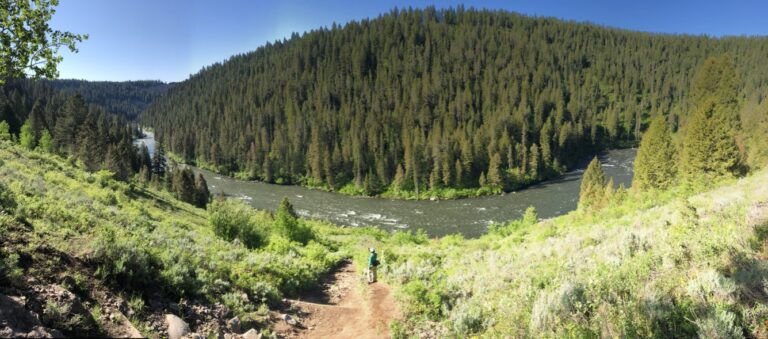
One of my favorite views so far has been Upper Mesa Falls. I had been to the area once before as part of a week-long field trip, but I was bent on visiting again once I realized just how close I was. The view was as beautiful as I remember, and I even took my dad to see it when he paid me a weekend visit.

A picture of Upper Mesa Falls taken from the boardwalk in August, 2024.
A picture of Upper Mesa Falls taken back in 2024.
A picture of Upper Mesa Falls taken from the boardwalk in June, 2025
A picture of Upper Mesa Falls taken this June.


My philosophy for the last year-ish of my life has slowly morphed into “going wherever the water takes me” because the water has taken me some incredible places, and I would not be here without it. Coming from Eastern Montana, “wherever the wind takes me” does not hold much merit, considering the wind takes you just about everywhere. But water is deliberate. Following each river and creek has allowed me to broaden my perspective—from home turf like the Yellowstone and Beaverhead all the way to the streams of Nepal. Those are stories for another day though, or maybe if you catch me in the later half of July you might be able to squeeze one out of me! Until then, I will be meandering downstream (mostly figurative, but we interns did have an awesome Big Springs float) to wherever the water ushers me next.

Wishing you all the best,

Teddy

Facebook
LinkedIn
Pinterest

Recent Posts

Aquatic Insects
Rob Van Kirk

Fish of the Month: Year 11

As it is the afternoon of December 31, I am closing the year with my annual fish-of-the-month blog, this one at the end of my 11th year of catching a fish in my home waters in each month of the year. To spare you the math, that’s 132 consecutive months of catching a wild trout or whitefish (and in some years I’ve fair-caught suckers and shiners, too) within a three-hour drive of my home in

Read More »
Water Quality
Rob Van Kirk

Estimation of Thurmon Creek sediment load following the drawdown of Silver Lake

In this blog post, we 1) present our turbidity and suspended sediment data, 2) explain our suspended load calculations, and 3) provide some additional information justifying why we think that a substantial amount of bed load was transported into the Henry’s Fork in addition to the suspended load. Since first observing high turbidity in Thurmon Creek and the Henry’s Fork downstream associated with the Silver Lake drawdown in November 2025, HFF’s Science and Technology team

Read More »
Fishing
Jamie Powell

River Guardian Spotlight: Tom and Doris Squeri

Written by Doris Squeri Tom and I met on our first day of grad school back in 1982. We were both broke and stressed, and we both loved the outdoors, so I decided that an affordable way to relieve some of that stress might be to learn how to fly-fish. We had learned to fish with our dads when we were very small, but it was bait fishing, and we wanted to try something new.

Read More »
Fisheries
Jamie Powell

Winter Flows on the Henry’s Fork: What Anglers Need to Know

The Henry’s Fork Drought Management Planning Committee (DMPC) met on Monday, November 24 to set this winter’s outflow and reservoir-fill strategy for Island Park Reservoir—an annual decision with implications for winter trout habitat in Box Canyon and the Ranch. Winter Outflow: What’s Coming on December 1 Beginning December 1, outflow from Island Park Dam will increase, bringing winter streamflow through Box Canyon to ~380 cfs from December through February*. That equates to 76% of Box

Read More »