Silver Lake Sediment Event: What Happened, What We Saw, and What We’re Doing About It

Fish Icon
Home » Blog » Silver Lake Sediment Event: What Happened, What We Saw, and What We’re Doing About It

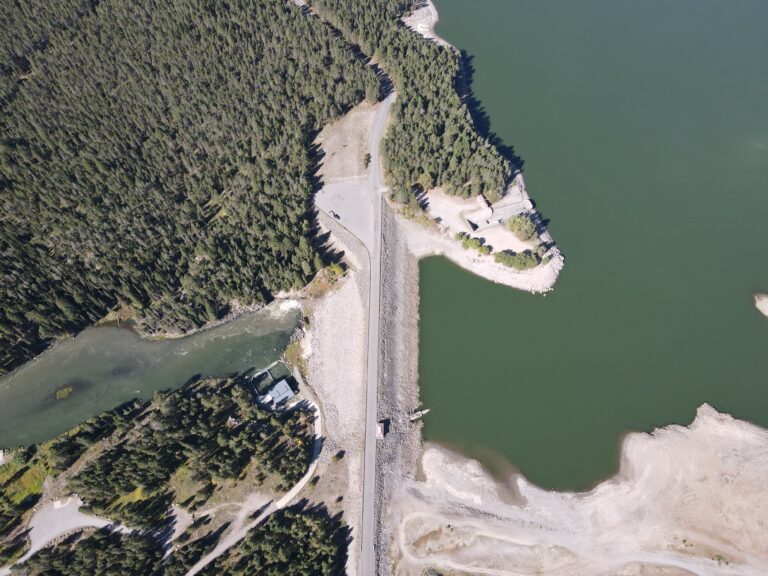
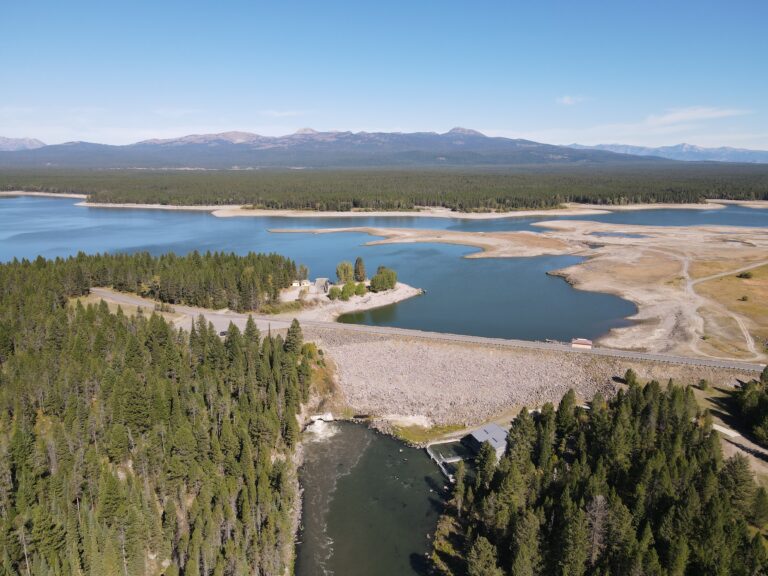
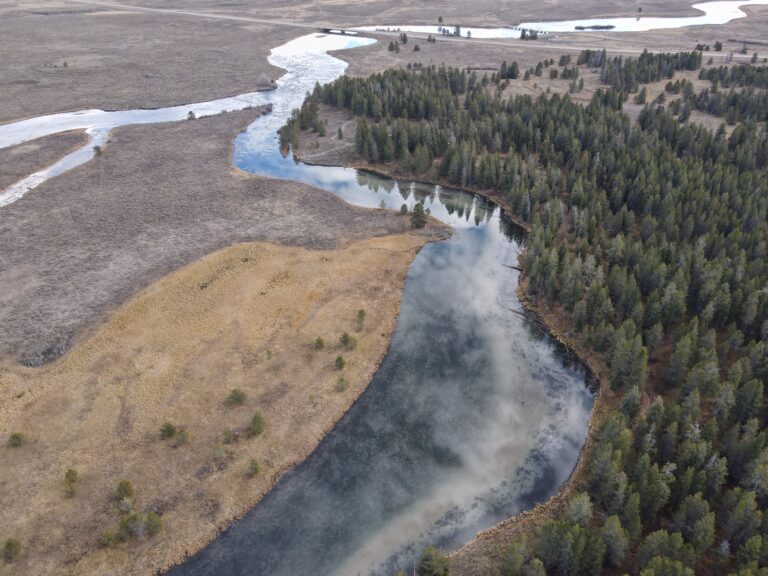
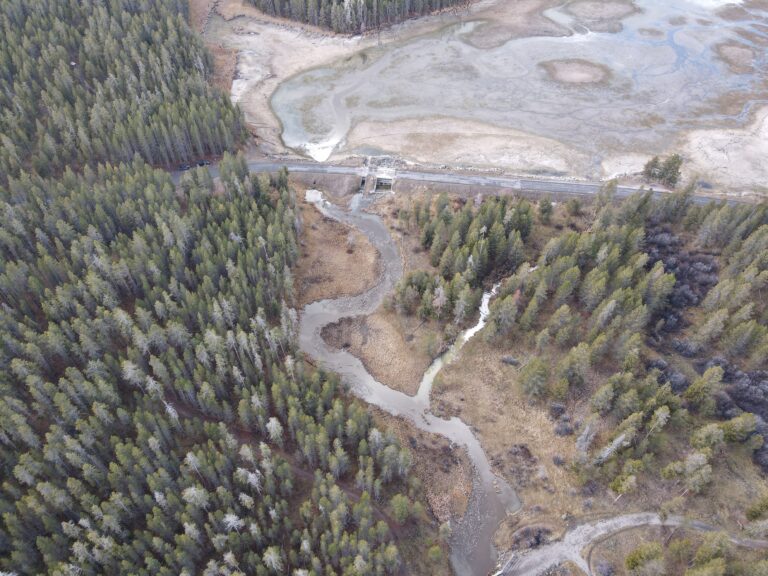
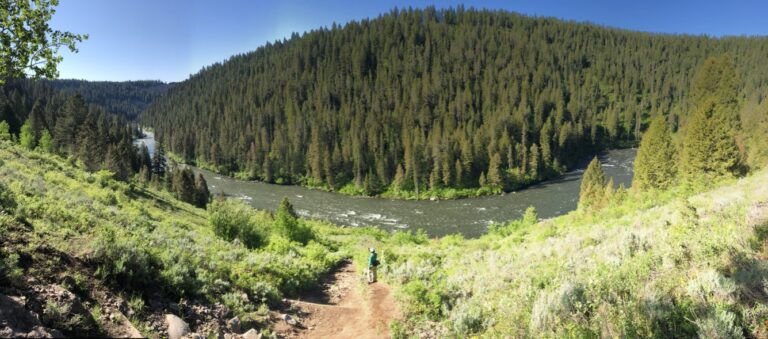
The Henry’s Fork Foundation (HFF) has become aware of, and is actively investigating, the recent draining of Silver Lake in Harriman State Park. The sudden draining of the lake released a large amount of fine sediment downstream into Thurmon Creek and the Third Channel of the Henry’s Fork through the Ranch.

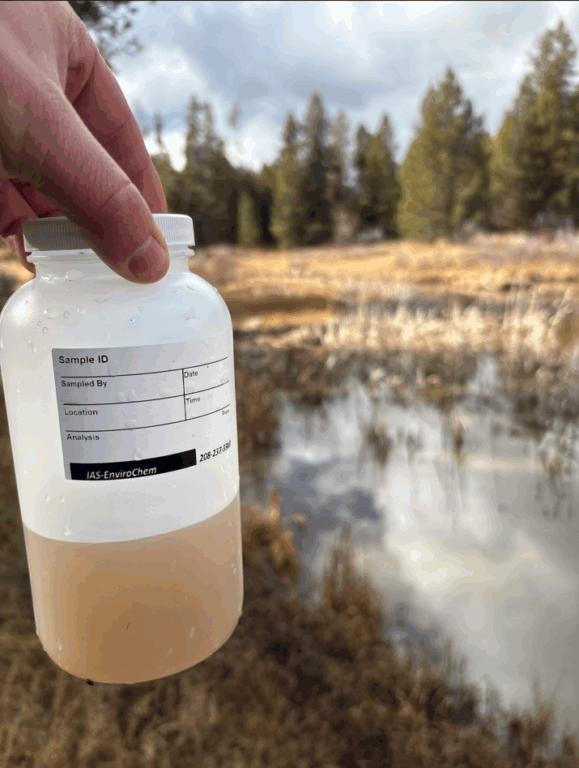
Although HFF was not informed the lake would be drained, our science team responded immediately, documenting conditions, collecting samples, and assessing the river as soon as impacts became visible.

The worst-case scenario has not happened, thank goodness. Based on our observations:

  • A few 3–12″ Utah chub have been seen belly up, but no other dead fish have been found, and trout appear to have moved away from the heaviest sediment. 
  • At the Observation Deck—where turbidity ranged from 35–80 NTU—we saw trout rising and feeding in pockets of clearer water just outside the plume.
  • Fish were still present in Thurmon Creek.

These are encouraging early signs. Our full team is engaged:

  • Collecting water samples
  • Running drone surveys
  • Assessing fish behavior
  • Tracking sediment movement through Thurmon Creek and Third Channel

We are monitoring, investigating, and advocating on behalf of the Henry’s Fork at every step. We’re taking a thorough, science-based approach to understanding the full picture. This is an important event, and we’re working to understand how it unfolded.

To support that effort, we have:

  • Filed a FOIA request for all permits and communications associated with the project
  • Coordinated with IDEQ and and contacted the Army Corps of Engineers to understand the process and oversight
  • Begun researching potential remediation options

We know this event has raised questions, and we’re committed to sharing updates as we gather more data and receive additional information from agency partners. For questions specifically about the repair project itself, IDPR is the agency overseeing the project.

If you’d like to be added to our Weekly River Update, we’d be glad to include you. You can also view our FAQ here.

The Henry’s Fork is important to all of us. We’re on it, and we’ll keep you updated every step of the way.

Facebook
LinkedIn
Pinterest

Recent Posts

Photo of confluence of Warm River and Henry's Fork
Fisheries
Rob Van Kirk

Water Supply and Water Quality Predictions for Summer 2026

The photo above captures the unprecedented situation we face at the beginning of April. The photo, of the confluence of Warm River and the Henry’s Fork, was taken on February 7 and shows the shocking lack of snow we experienced in the watershed all winter as a result of record-breaking warm temperatures. How will the warm winter and lack of snow affect water supply, water quantity, and fisheries? The highlights are below. If you want

Read More »
Person holding a rainbow trout.
Water Quality
Rob Van Kirk

Water Year 2025: Everything you wanted to know and a lot more!

Every year since 2017, the Henry’s Fork Foundation Science and Technology Team has produced an annual technical report that documents all of our data collection and analysis activities for the year. Water and irrigation year 2025 was a very active year for the team, given one of the hottest and driest summers on record, our 11th year of aquatic invertebrate sampling, and the 20th year of monitoring the rainbow trout spawning run in the Buffalo

Read More »
Frequently Asked Questions
Jamie Powell

Q&A: Are We Seeing Fewer Bugs?

Are aquatic insects actually declining?  Not in the way many anglers might think. After 11 years of data collected across six sites on the Henry’s Fork, we’re seeing that overall invertebrate communities remain abundant, diverse, and comparable—or better—than other top western trout streams. In fact, key indicators show improving water quality and habitat conditions over time.   So why do hatches sometimes feel worse—especially at Last Chance? The short answer: it’s not just about insect

Read More »
Water Supply
Otto Lang

Monitoring the Upper Snake Snowpack: Updates from the Field

Hello! My name is Otto Lang, and I am a postdoctoral researcher with Boise State University and the Henry’s Fork Foundation. I’m working alongside Rob Van Kirk at the HFF, Lejo Flores, Professor in Geosciences at Boise State University, and Sarah Newcomb at Trout Unlimited. Together, we are in the midst of a two-year WaterSMART project funded by the U.S. Bureau of Reclamation to improve predictions of snow water supply across the Upper Snake River

Read More »