A Day In The Life (of the Byers Intern)

Home » Blog » A Day In The Life (of the Byers Intern)
mountains trees and water

To whoever is reading this blog post: H.F.F. members, conservationists, future Byers Interns, Anglers, and anyone else who may have stumbled upon this… You may be wondering, “What does the Byers Intern even entail?”. My name is Stephen Gentile, and as the 2025 Byers Intern, I’m here to tell you! 

Before we begin, I want to talk a little bit about myself. I was born and raised in Rexburg, Idaho. I discovered the Henry’s Fork Foundation in high school while taking a class called Environmental Solutions. H.F.F. gave a presentation on the equipment they use to collect data at Warm River. Fast forward a couple of years, and now I’m going into my junior year at Boise State University. My major is biology with an emphasis in ecology and evolution, and I’m glad to be able to gain some fieldwork experience in my “backyard” this summer.

A grizzly bear I saw hiking early June.

First off, I’m primarily in-charge of maintaining riparian fencing along the Henry’s Fork to keep the river in prime condition. Riparian fencing is important because it prevents erosion along the streambanks and excess nutrients (cow manure) from entering the river. We have two stretches of fence that Henry’s Fork Foundation looks after. One is across the river from Pine Haven, and another is across from Last Chance.

The old wood post set up with the fence.
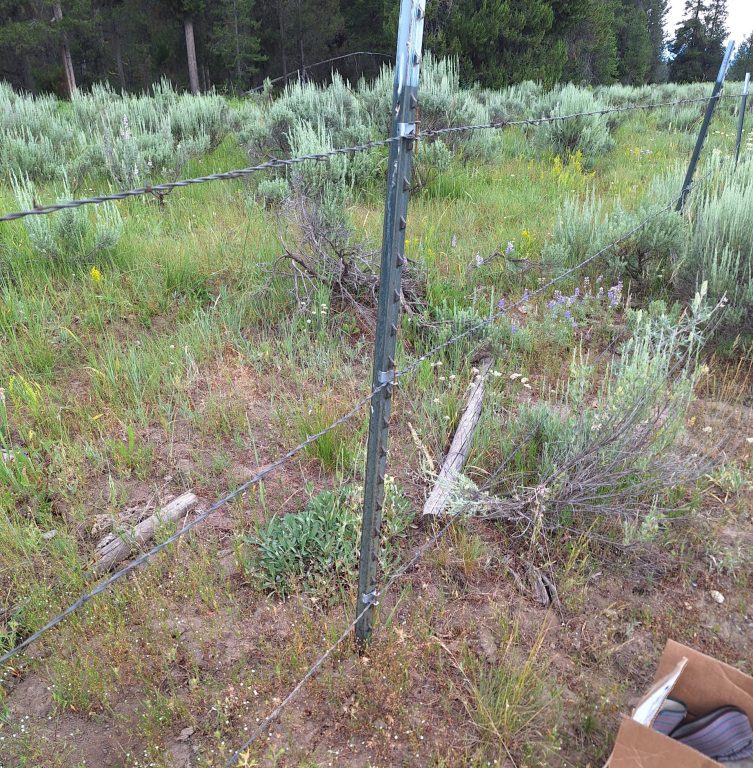
The new metal clips I’ve been putting on all of the fence posts.

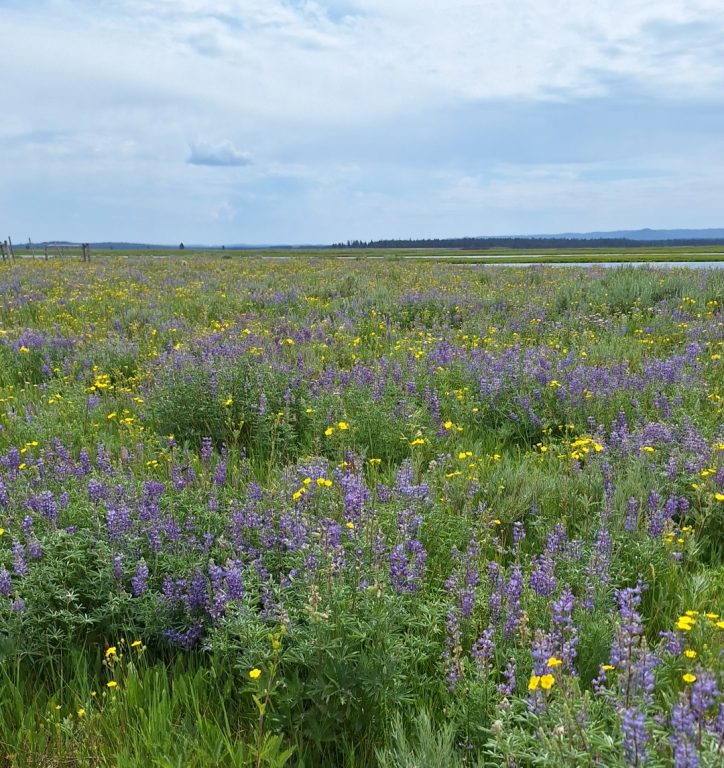
This summer, I have been working a lot on the Last Chance fence. I’ve been putting on these new fence clips that hold the barbed wire in place. This new system is a lot better than the old one. The fence used to have these old, brittle wood posts with the barbed wire nailed into them. These wood posts were then lifted and looped around metal posts in the ground. Now, we can attach the barbed wire straight to the metal posts with no worry of the wood posts breaking. I’ve enjoyed my time out at Last Chance as I get to listen to my music and look at all of the amazing flowers and wildlife in the area. It’s a very tranquil setting.

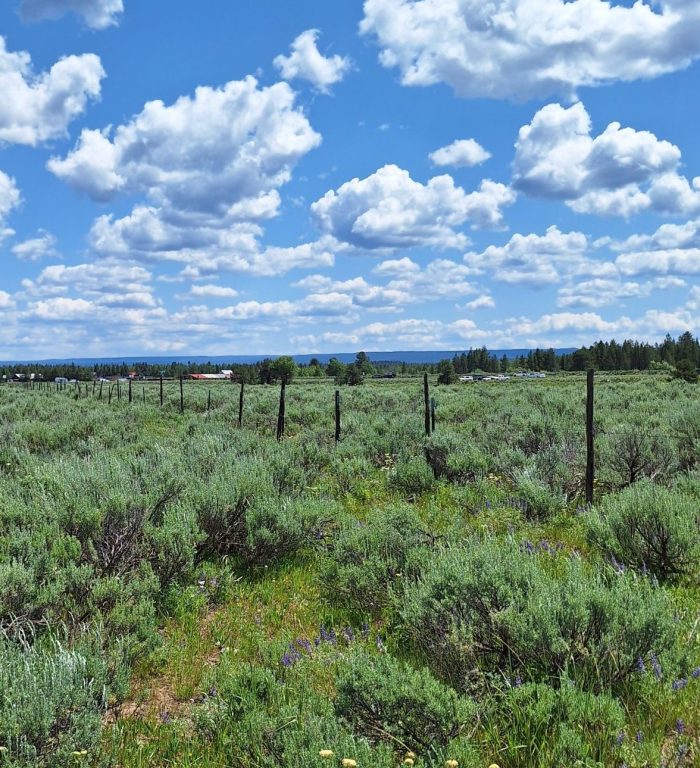
Wildflowers from where I have been working on the fence.
A lot of pelicans .

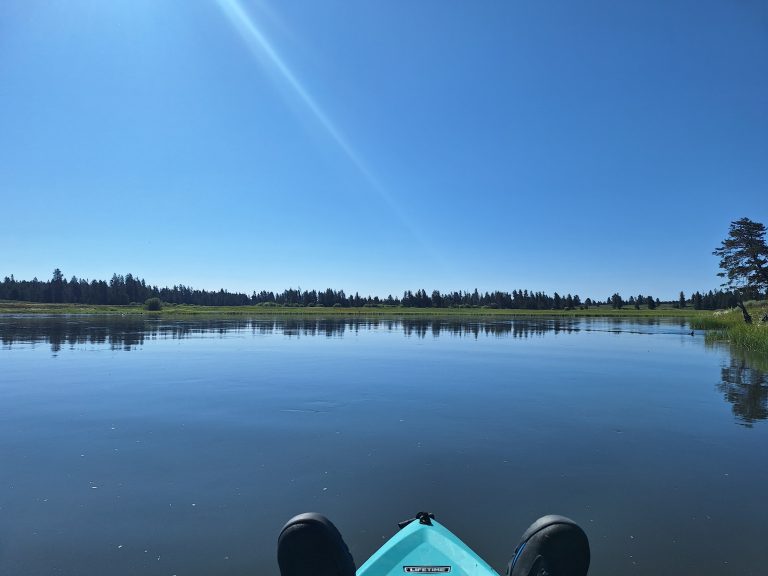
 Some of my other duties have been helping maintain the Chester Dam Fish Ladder. It consists of moving a lot of the gravel that has been swept down to the bottom section of the ladder to the upper section. With some adjustments to the ladder, the gravel should hold better in place as well. On my first visit, we found a large Brown Trout using the Fish Ladder, which was pretty exciting! I’ve also been helping the Water Quality and Ecology Intern, Dela, collect temperature data along the Henry’s Fork. The best part about this is that I get to kayak to some of these locations.

Kayaking to collect temperature data.

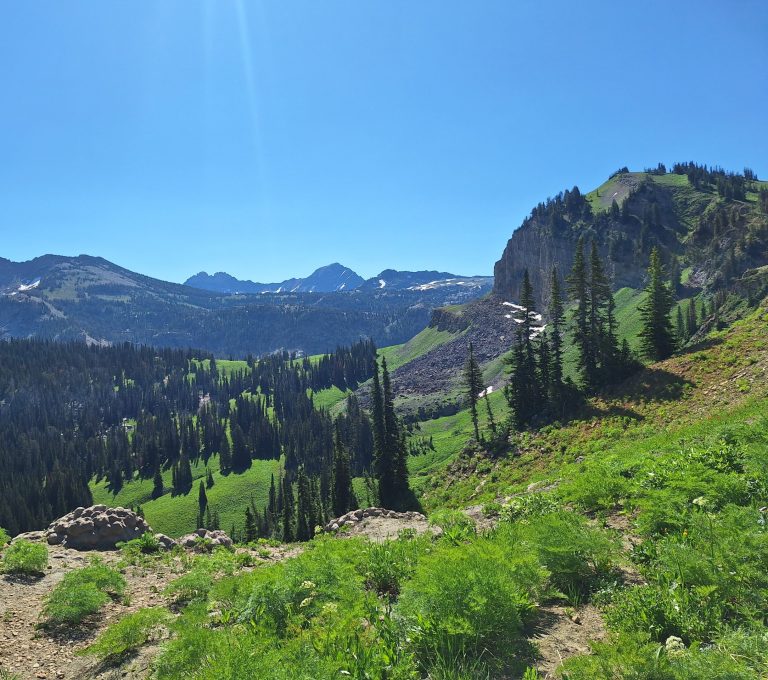
As of late, I’ve been fortunate enough to help Friends of the Teton River electrofish some of the tributaries in the Tetons to get an idea of how many Yellowstone Cutthroat trout are living in these creeks. This was super exciting for me since I had never electrofished before. It was interesting to see where fish hide in the tributaries of the Teton River. To get to these creeks, we have to hike through gorgeous mountain scenery, and it really made the experience feel surreal. So far, it has been an amazing summer, and I love the work that I have been doing.

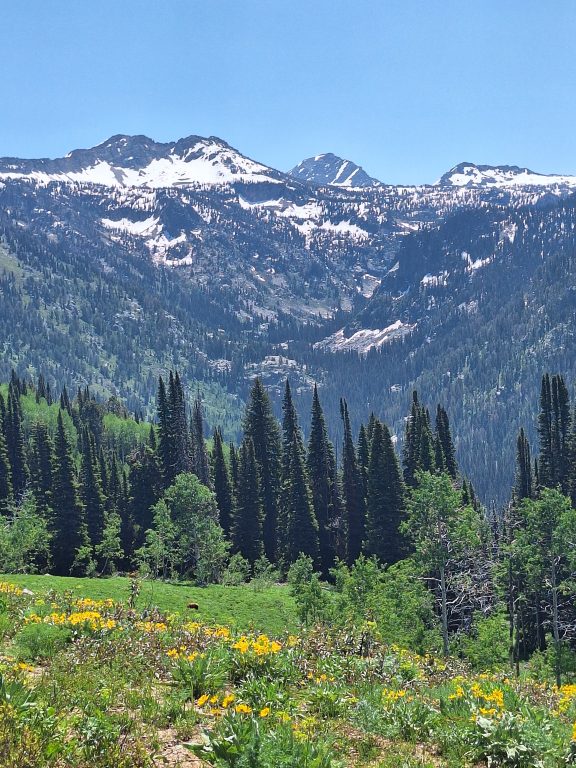
The view on the way to my electrofishing sight.
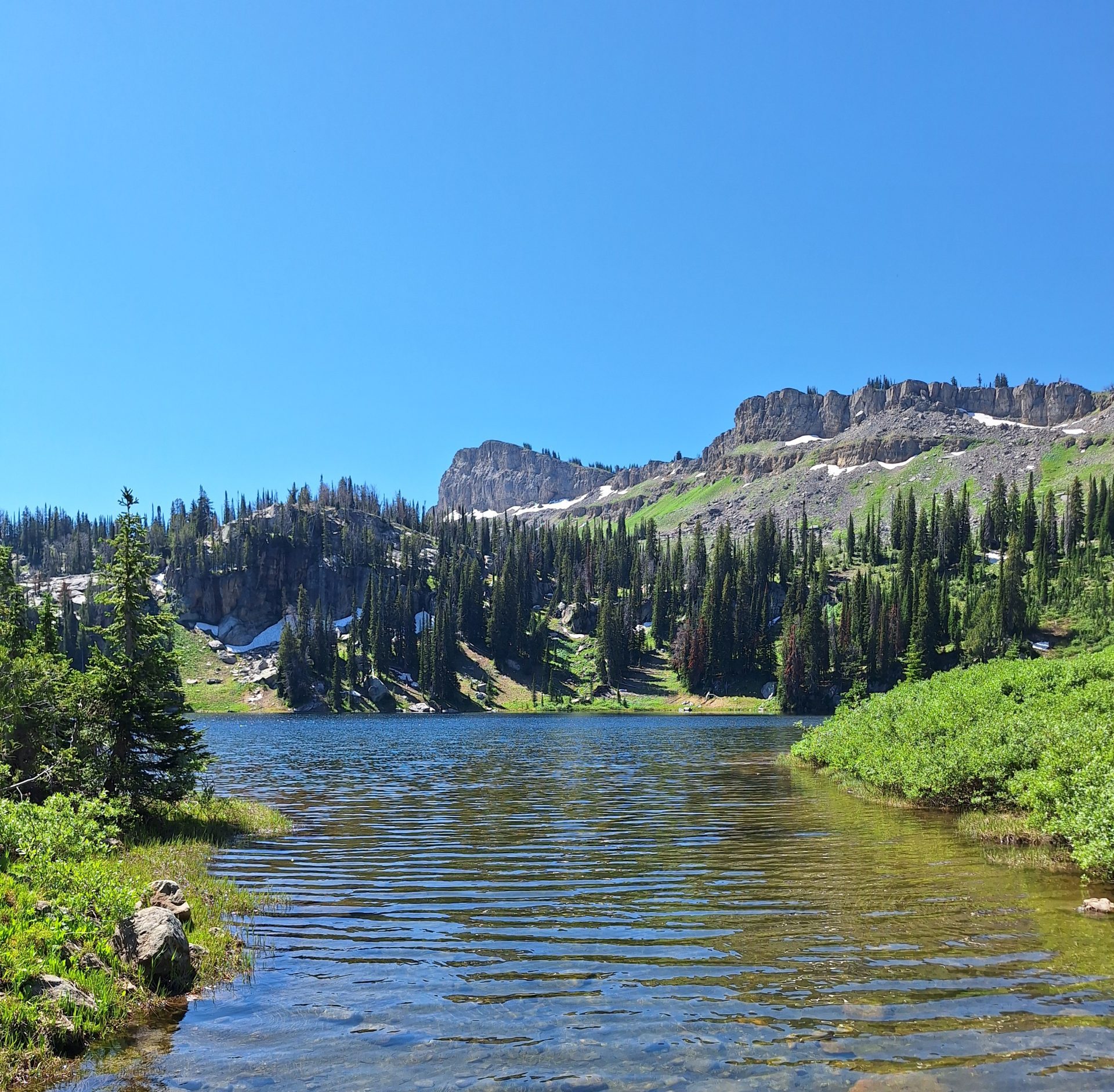
A lake above one of my electrofishing sights.
Facebook
LinkedIn
Pinterest

Recent Posts

Fishing
Tate Sargeant

How to Train Your Aquatic Vertebrate

Putting in the hours. Credit: Estelle Edwards Fish are omnipresent. Whether Claude’s talking about his latest catch, an angler is asking me what fly to use (I don’t know), or I’m taking Utah suckers out of gillnets, I am drowning in fish… but I have never caught one. I have yet to be blessed with a bite on a Parachute Adams, Zebra Midge, or Montreal Whore, but thanks to fishing-adjacent research experiences, I’ve gotten a

Read More »
Intern
Claude Morris

A New Way of Fishing

I grew up fishing on the North Carolina coast. From flounder and speckled trout (not actually in the trout family) deep in the creeks to Spanish mackerel and bull redfish right off the beach, all the way out to what feels like the middle of the ocean trolling for king mackerel and cobia, I loved the wide variety of fish. One sunny July morning a few summers back, my dad and I headed offshore in

Read More »
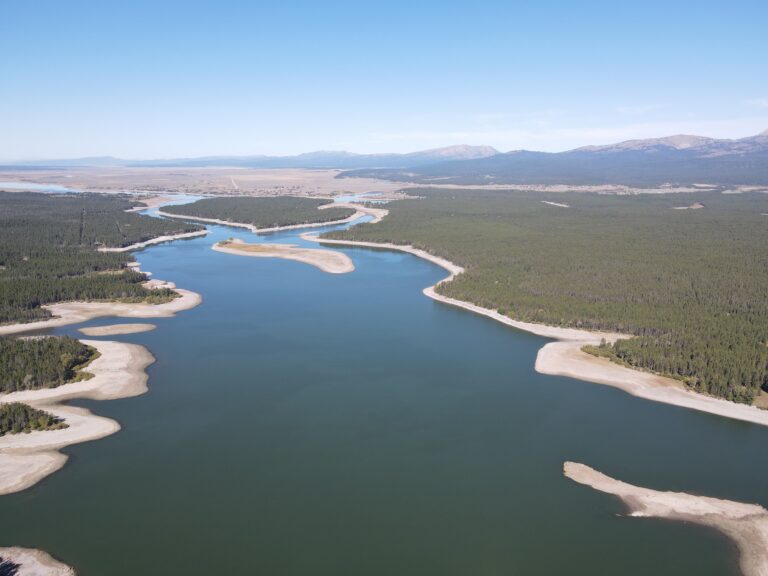
The blue water of Island Park Reservoir under a blue sky with a single white cloud. Sawtelle sits in the background and you can see rocky edges of the reservoir as the water levels have dropped.
Research and Monitoring
Christina Morrisett

Summer 2026: Water Quality Reflection and Forecast for Island Park

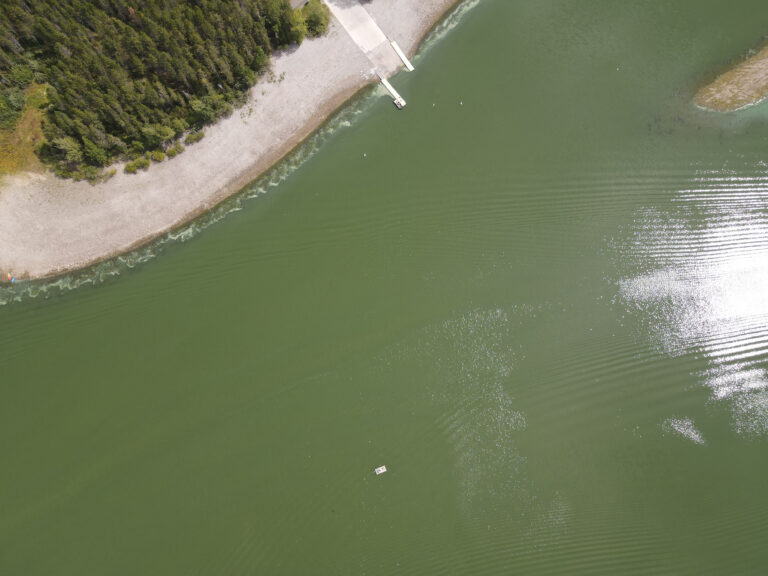
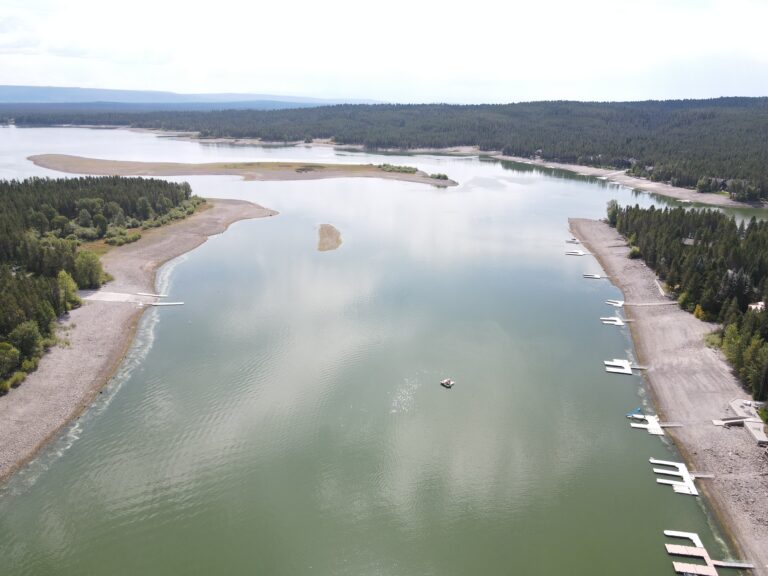
Photo of Island Park Reservoir, taken July 31 2026 Summer 2026 is the Henry’s Fork Foundation’s 11th summer monitoring conditions in Island Park Reservoir, and we continue to learn something new even a decade later. This summer’s lesson? How rain and high outflow disrupt algae blooms—maintaining clear water, for longer. The Weather Event At the end of June, data from HFF’s weekly monitoring on Island Park Reservoir showed that algae growth was creeping up and

Read More »
South Fork
Patrick Nardi

SUMMER ON THE SOUTH FORK

It’s no secret that the Henry’s Fork is a river of grandeur. To those that fish it, it is like a church – a sanctuary that breathes fly-fishing legend. However, the South Fork quietly rumbles in the distance, with striking beauty, and equally legendary status. The South Fork’s deep, ripping currents, and plugging canyon walls hold many anglers fish of a lifetime. However, beyond trout fishing, it is the community deeply rooted in the waters

Read More »