
The River Rundown: Your FAQs from June 2025

Fish Icon
Home » Blog » The River Rundown: Your FAQs from June 2025
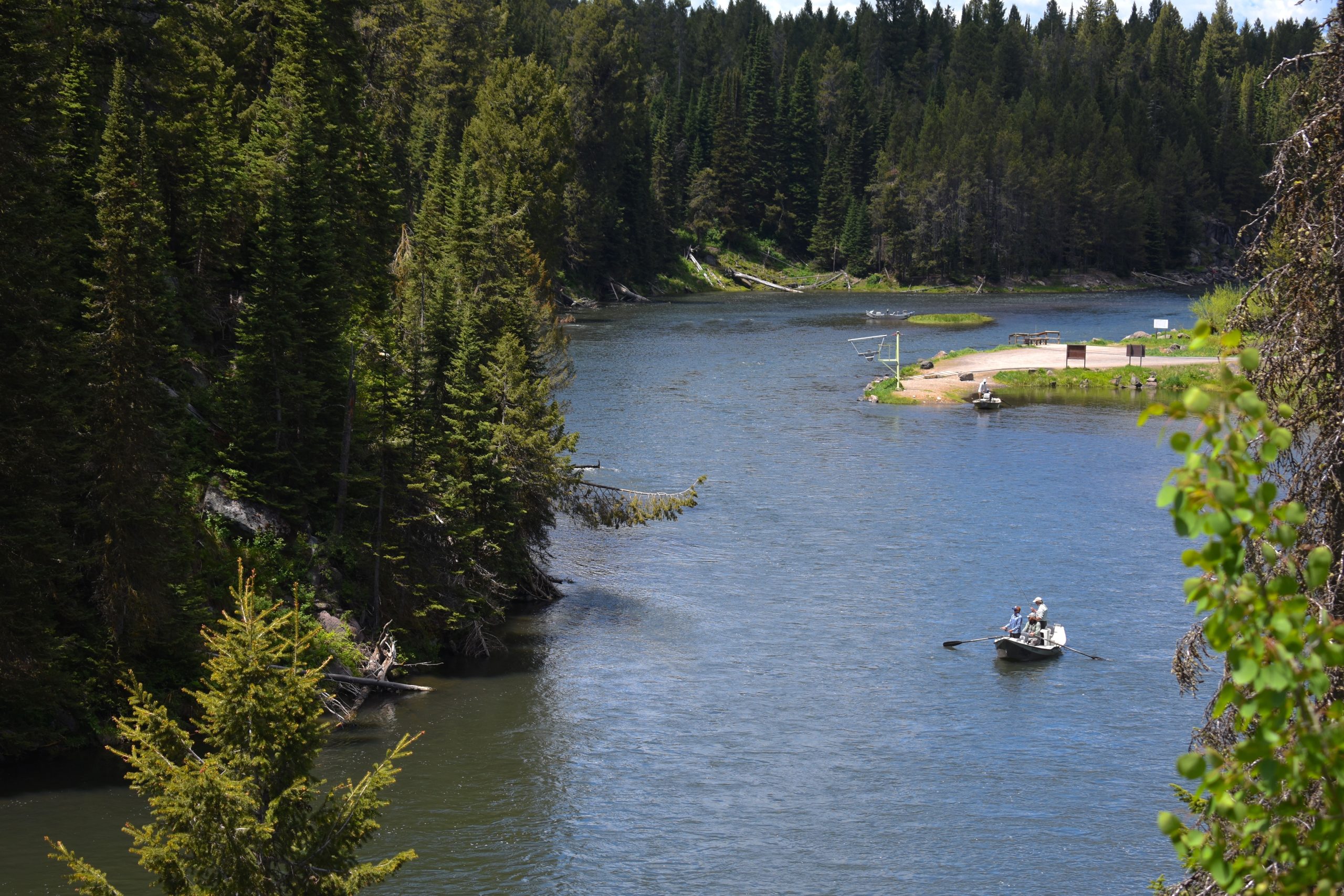
Drift boat with anglers rowing downriver surrounded by tall trees

“It feels like July!” was a common sentiment shared around the watershed last month. Anglers enjoyed Brown Drakes on the Ranch three weeks earlier than usual, basked in 70°F more days than not, and endured high outflows from Island Park Dam that are more typical for mid-July. Some of these changes were welcome… others, not so much. Below, we answer your most Frequently Asked Questions from June.

FAQ: Outflow from Island Park Dam peaked around 1,600 cfs. Why so high, so early?

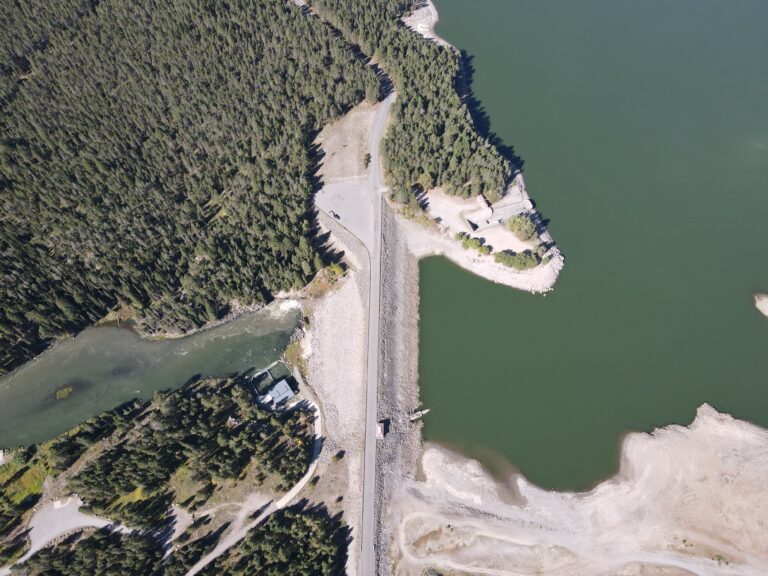
Warm and dry conditions increased irrigation demand in the lower watershed 10% higher than average. To meet irrigation demand and maintain fish habitat around St. Anthony, water managers rely on water delivered from Island Park Reservoir and on natural streamflow Natural streamflow comes from mountain snow and groundwater springs—but is 38% below average. Therefore, Island Park Reservoir has to work that much harder to make up the difference. With so little water in the system, high outflow in Island Park is needed just to keep the river wet 60 miles downstream.

FAQ: What’s up with the constant flow changes at the dam?

In wetter years prior to the year 2000, there was enough water to go around—so managers were essentially able to set outflow at the dam and not worry about it for the rest of the summer. But these days: we’re in a drought on a working river where every drop of water counts. Penny-pinching water means frequent, intentional, and data-informed flow adjustments to ensure managers keep as much in the piggy bank (Island Park Reservoir) as possible. We understand that flow changes may impact fishing day-to-day, but keeping water in Island Park Reservoir is key to growing more trout for future summer fishing seasons on the Caldera—and is the basis of HFF’s Precision Water Management program.

FAQ: What will July look like?

Thankfully, we are past peak irrigation demand! Streamflow through Box Canyon and the Ranch will stay in the range of 1600–1800 cfs for the first week or two of July, without the need for any higher releases in mid-July. But as dam outflow comes down, air temperatures are set to warm up… risking warm river temperatures in the afternoon, low oxygen levels in the morning, and algae blooms in the reservoir exporting brown-colored water downstream. Thankfully, that algae is fish food (even if it doesn’t look appetizing to us) and water quality conditions should remain stable from Warm River to Ashton, Ora to Vernon, and Vernon to Fun Farm. Use our Water Quality website to track conditions in real-time and consider ways to minimize stress on trout.

Looking for some bright spots?

Precipitation in June favored the upper Henry’s Fork, falling right where we needed it the most.

High dam outflow kept water temperatures cooler and dissolved oxygen levels higher in the river at Pinehaven.

HFF’s DIRTT Plan is actively studying options for reducing temperature and turbidity in Island Park Reservoir and the Henry’s Fork downstream.

Facebook
LinkedIn
Pinterest

Recent Posts

Photo of confluence of Warm River and Henry's Fork
Fisheries
Rob Van Kirk

Water Supply and Water Quality Predictions for Summer 2026

The photo above captures the unprecedented situation we face at the beginning of April. The photo, of the confluence of Warm River and the Henry’s Fork, was taken on February 7 and shows the shocking lack of snow we experienced in the watershed all winter as a result of record-breaking warm temperatures. How will the warm winter and lack of snow affect water supply, water quantity, and fisheries? The highlights are below. If you want

Read More »
Person holding a rainbow trout.
Research and Monitoring
Rob Van Kirk

Water Year 2025: Everything you wanted to know and a lot more!

Every year since 2017, the Henry’s Fork Foundation Science and Technology Team has produced an annual technical report that documents all of our data collection and analysis activities for the year. Water and irrigation year 2025 was a very active year for the team, given one of the hottest and driest summers on record, our 11th year of aquatic invertebrate sampling, and the 20th year of monitoring the rainbow trout spawning run in the Buffalo

Read More »
Frequently Asked Questions
Jamie Powell

Q&A: Are We Seeing Fewer Bugs?

Are aquatic insects actually declining?  Not in the way many anglers might think. After 11 years of data collected across six sites on the Henry’s Fork, we’re seeing that overall invertebrate communities remain abundant, diverse, and comparable—or better—than other top western trout streams. In fact, key indicators show improving water quality and habitat conditions over time.   So why do hatches sometimes feel worse—especially at Last Chance? The short answer: it’s not just about insect

Read More »
Water Supply
Otto Lang

Monitoring the Upper Snake Snowpack: Updates from the Field

Hello! My name is Otto Lang, and I am a postdoctoral researcher with Boise State University and the Henry’s Fork Foundation. I’m working alongside Rob Van Kirk at the HFF, Lejo Flores, Professor in Geosciences at Boise State University, and Sarah Newcomb at Trout Unlimited. Together, we are in the midst of a two-year WaterSMART project funded by the U.S. Bureau of Reclamation to improve predictions of snow water supply across the Upper Snake River

Read More »