A Day In The Life (of the Byers Intern)

Fish Icon
Home » Blog » A Day In The Life (of the Byers Intern)
mountains trees and water

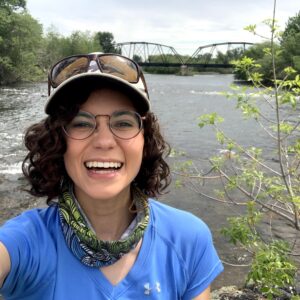
To whoever is reading this blog post: H.F.F. members, conservationists, future Byers Interns, Anglers, and anyone else who may have stumbled upon this… You may be wondering, “What does the Byers Intern even entail?”. My name is Stephen Gentile, and as the 2025 Byers Intern, I’m here to tell you! 

Before we begin, I want to talk a little bit about myself. I was born and raised in Rexburg, Idaho. I discovered the Henry’s Fork Foundation in high school while taking a class called Environmental Solutions. H.F.F. gave a presentation on the equipment they use to collect data at Warm River. Fast forward a couple of years, and now I’m going into my junior year at Boise State University. My major is biology with an emphasis in ecology and evolution, and I’m glad to be able to gain some fieldwork experience in my “backyard” this summer.

A grizzly bear I saw hiking early June.

First off, I’m primarily in-charge of maintaining riparian fencing along the Henry’s Fork to keep the river in prime condition. Riparian fencing is important because it prevents erosion along the streambanks and excess nutrients (cow manure) from entering the river. We have two stretches of fence that Henry’s Fork Foundation looks after. One is across the river from Pine Haven, and another is across from Last Chance.

The old wood post set up with the fence.
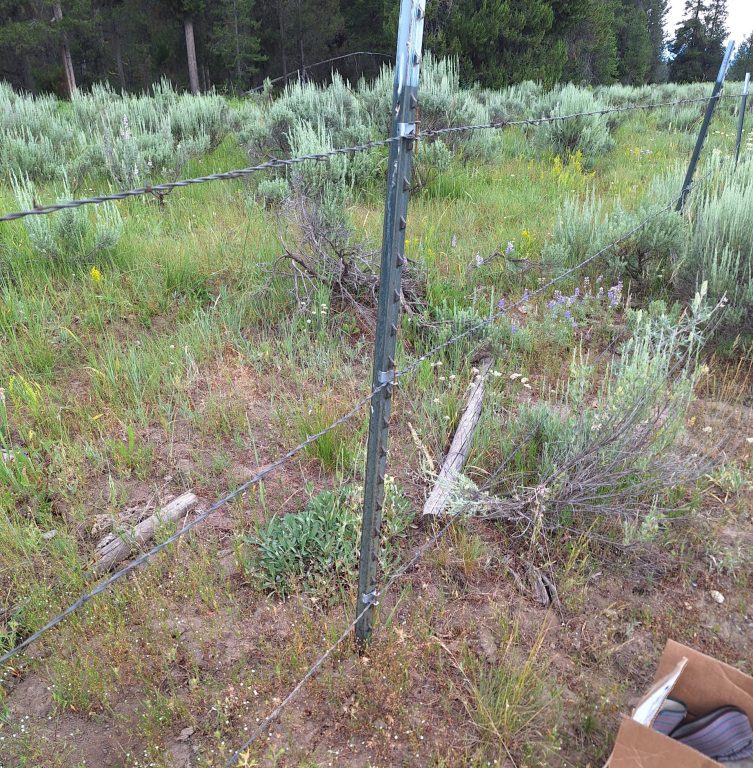
The new metal clips I’ve been putting on all of the fence posts.

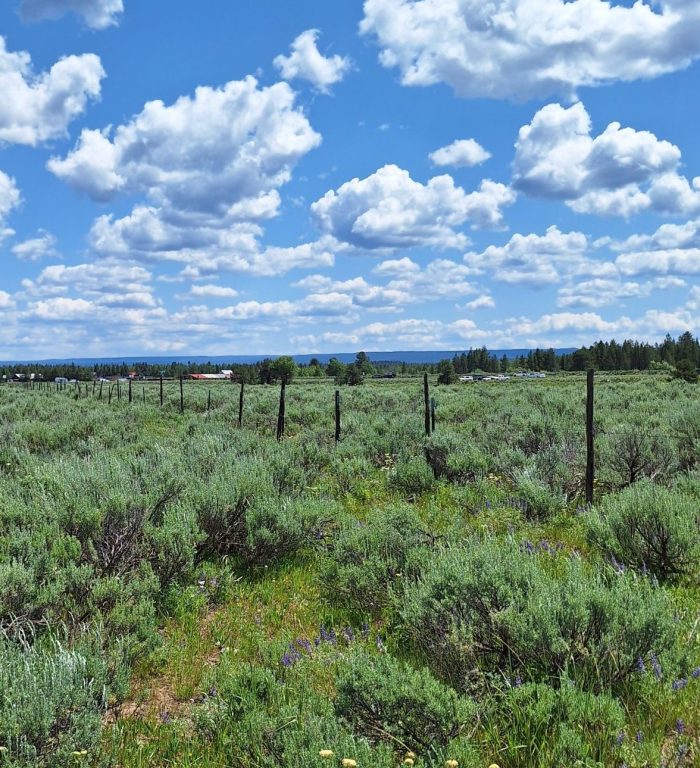
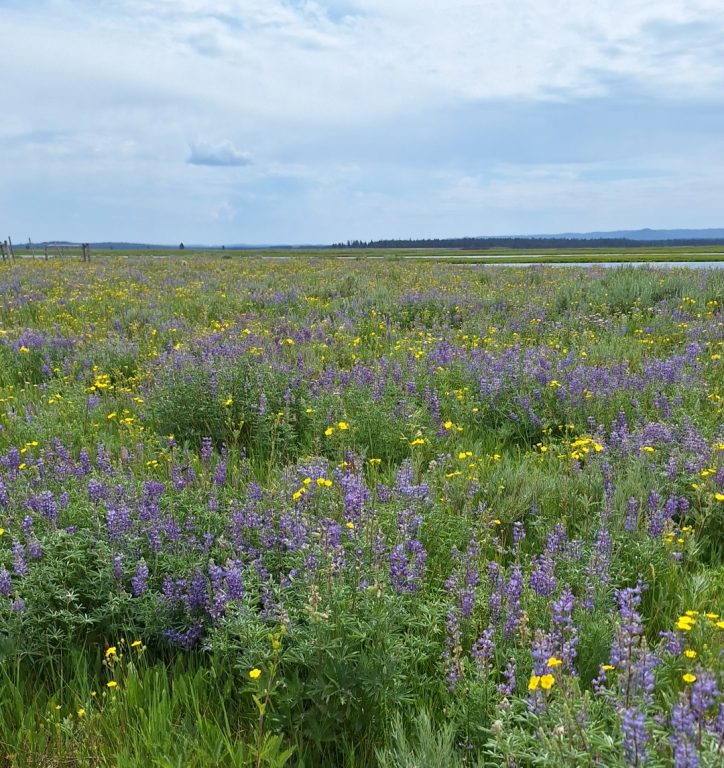
This summer, I have been working a lot on the Last Chance fence. I’ve been putting on these new fence clips that hold the barbed wire in place. This new system is a lot better than the old one. The fence used to have these old, brittle wood posts with the barbed wire nailed into them. These wood posts were then lifted and looped around metal posts in the ground. Now, we can attach the barbed wire straight to the metal posts with no worry of the wood posts breaking. I’ve enjoyed my time out at Last Chance as I get to listen to my music and look at all of the amazing flowers and wildlife in the area. It’s a very tranquil setting.

Wildflowers from where I have been working on the fence.
A lot of pelicans .

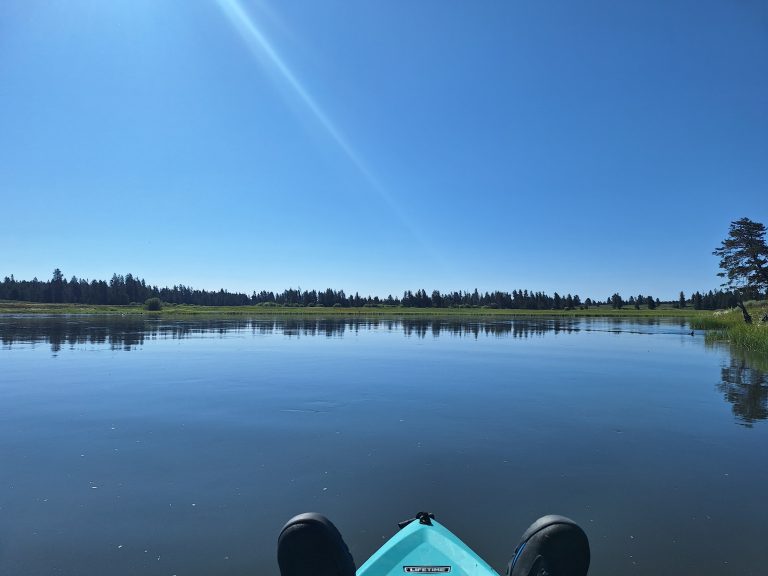
 Some of my other duties have been helping maintain the Chester Dam Fish Ladder. It consists of moving a lot of the gravel that has been swept down to the bottom section of the ladder to the upper section. With some adjustments to the ladder, the gravel should hold better in place as well. On my first visit, we found a large Brown Trout using the Fish Ladder, which was pretty exciting! I’ve also been helping the Water Quality and Ecology Intern, Dela, collect temperature data along the Henry’s Fork. The best part about this is that I get to kayak to some of these locations.

Kayaking to collect temperature data.

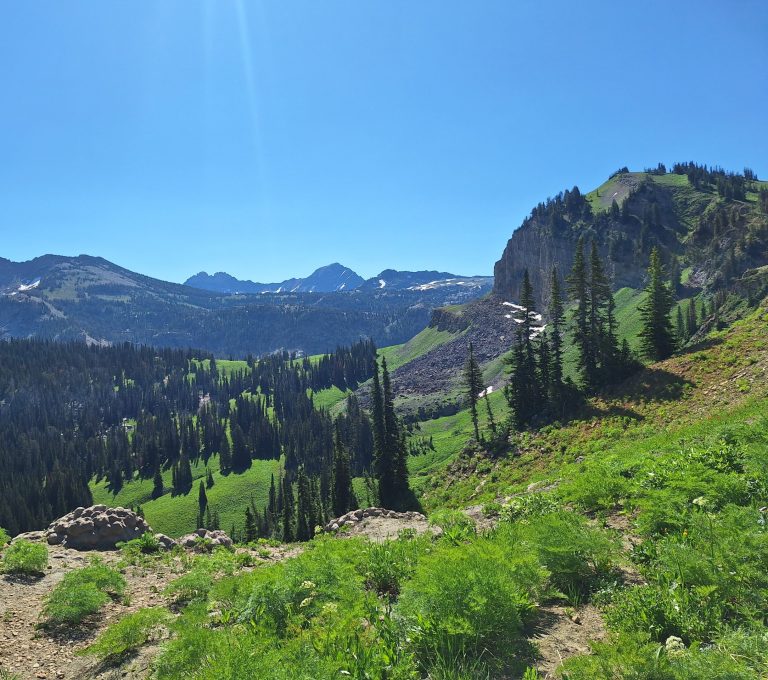
As of late, I’ve been fortunate enough to help Friends of the Teton River electrofish some of the tributaries in the Tetons to get an idea of how many Yellowstone Cutthroat trout are living in these creeks. This was super exciting for me since I had never electrofished before. It was interesting to see where fish hide in the tributaries of the Teton River. To get to these creeks, we have to hike through gorgeous mountain scenery, and it really made the experience feel surreal. So far, it has been an amazing summer, and I love the work that I have been doing.

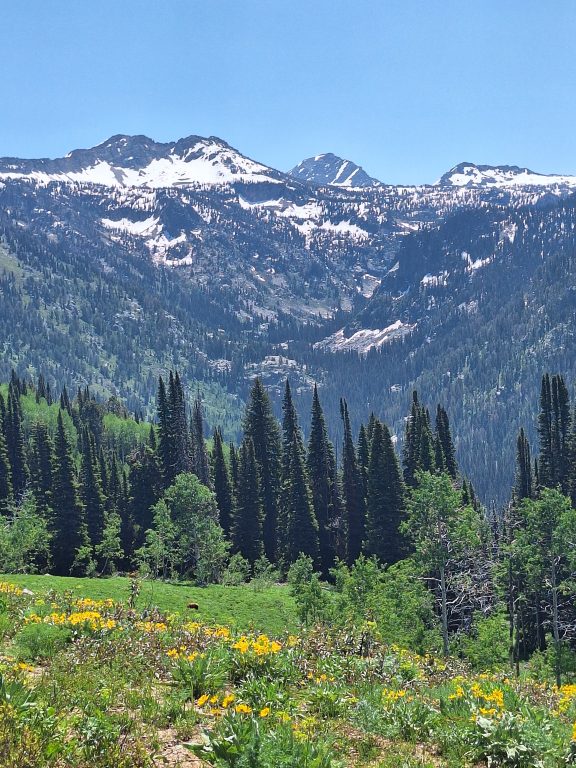
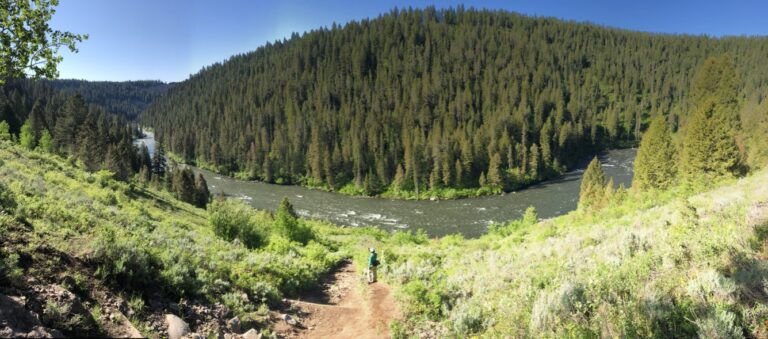
The view on the way to my electrofishing sight.
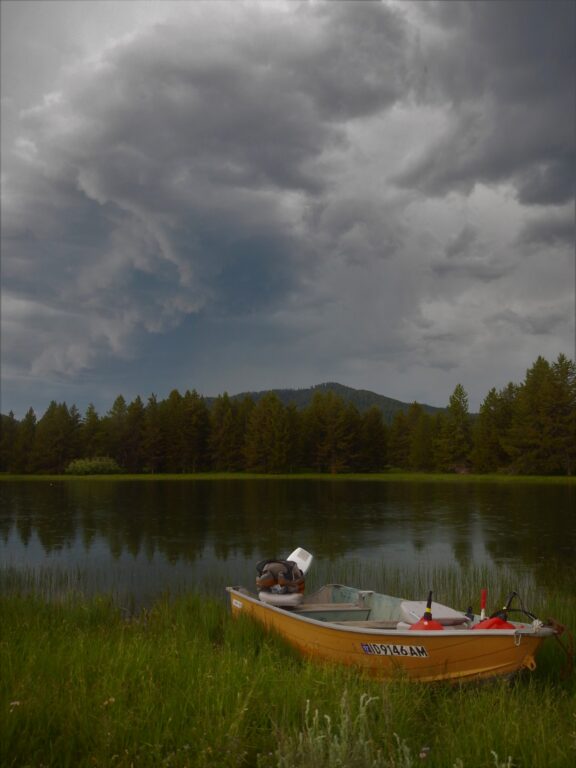
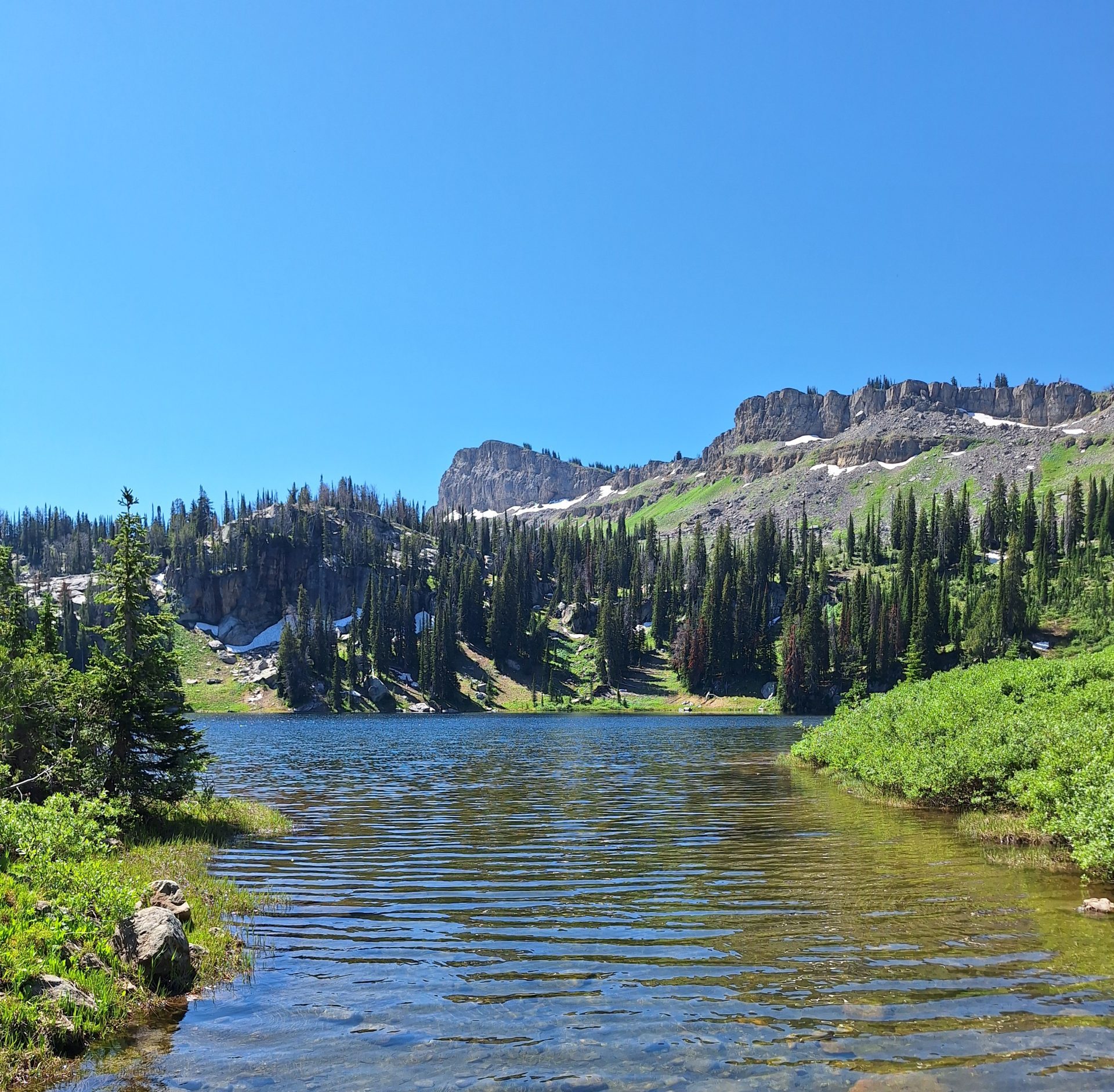
A lake above one of my electrofishing sights.
Facebook
LinkedIn
Pinterest

Recent Posts

Person holding a rainbow trout.
Research and Monitoring
Rob Van Kirk

Water Year 2025: Everything you wanted to know and a lot more!

Every year since 2017, the Henry’s Fork Foundation Science and Technology Team has produced an annual technical report that documents all of our data collection and analysis activities for the year. Water and irrigation year 2025 was a very active year for the team, given one of the hottest and driest summers on record, our 11th year of aquatic invertebrate sampling, and the 20th year of monitoring the rainbow trout spawning run in the Buffalo

Read More »
Water Supply
Otto Lang

Monitoring the Upper Snake Snowpack: Updates from the Field

Hello! My name is Otto Lang, and I am a postdoctoral researcher with Boise State University and the Henry’s Fork Foundation. I’m working alongside Rob Van Kirk at the HFF, Lejo Flores, Professor in Geosciences at Boise State University, and Sarah Newcomb at Trout Unlimited. Together, we are in the midst of a two-year WaterSMART project funded by the U.S. Bureau of Reclamation to improve predictions of snow water supply across the Upper Snake River

Read More »
2 people in gear taking water samples
Research and Monitoring
Rob Van Kirk

Henry’s Fork Aquatic Invertebrate Trends, 2015-2025

To address angler concerns about decreased hatches, particularly at Last Chance and the upper Ranch, and holistically assess ecological function throughout the mainstem Henry’s Fork, we implemented a statistically rigorous, quantitative study of aquatic invertebrates in 2015. This followed implementation of a watershed-wide water-quality monitoring program in 2014 and prompted subsequent expansion of stream gaging. After our 11th year of sampling in 2025, we had a set of 56 independent observations of macroinvertebrates collected at

Read More »
Aquatic Insects
Rob Van Kirk

Fish of the Month: Year 11

As it is the afternoon of December 31, I am closing the year with my annual fish-of-the-month blog, this one at the end of my 11th year of catching a fish in my home waters in each month of the year. To spare you the math, that’s 132 consecutive months of catching a wild trout or whitefish (and in some years I’ve fair-caught suckers and shiners, too) within a three-hour drive of my home in

Read More »