(Almost) Snow-less Snow Science

Home » Blog » (Almost) Snow-less Snow Science

As an MSU undergrad studying snow science, a summer internship might sound unlikely. Fortunately, snow is an invaluable resource year-round out here in the west, providing the majority of our water supply. My original project with the Henry’s Fork Foundation was to install snow monitoring stations across the watershed to better capture the spatial variability of its winter snowpack, however funding and approval has been backlogged. Luckily, my mentor ,Dr. Otto Lang, had another project in mind. 


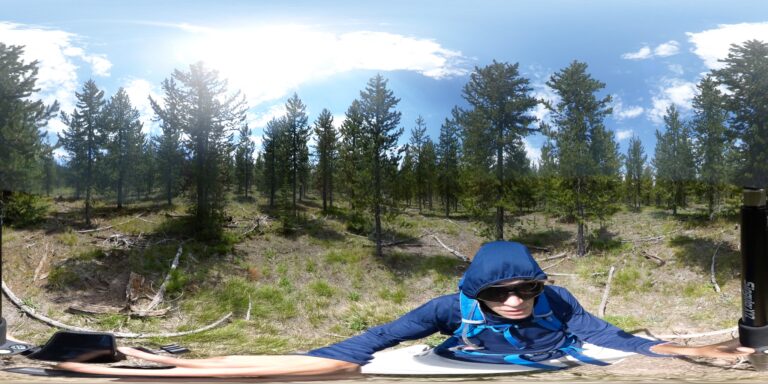
Dr. Lang has been working with a model called “iSNOBAL”, which is used to predict and simulate future snowmelt. The model includes many different variables, one of which is the fraction of sunlight that is able to pass through to the ground, known as the “Sky View Factor” or SVF. SVF is heavily influenced by forest canopy, which in turn influences how much longwave radiation is able to reach the snow on the ground during the winter, affecting both accumulation and melt rates. Our project this summer aims to provide a new, more robust dataset that better captures the SVF of different forest types across the Henry’s Fork Watershed. I spent my first week working with QGIS to create different areas of canopy cover based on canopy height, density, and whether or not an area had been disturbed by the U.S. Forest Service (ex: thinning or logging). The next step was to go out and take pictures of the canopy in these different areas using a 360 camera. Taking pictures involved a lot of bush-wacking and not knowing which direction I was facing, which was a welcome challenge after a week of computer work. This week, I am rotating between smacking my face with tree branches and processing the images in the office, using a SVF calculator. 


The whole process has been really inspiring and fun, as I get to use something I created with GIS to actually collect data that will be implemented in real life. The life cycle of snow doesn’t stop when winter ends, and I am very grateful for the opportunity the foundation has given me to use my work to better the future of the Henry’s Fork Watershed.


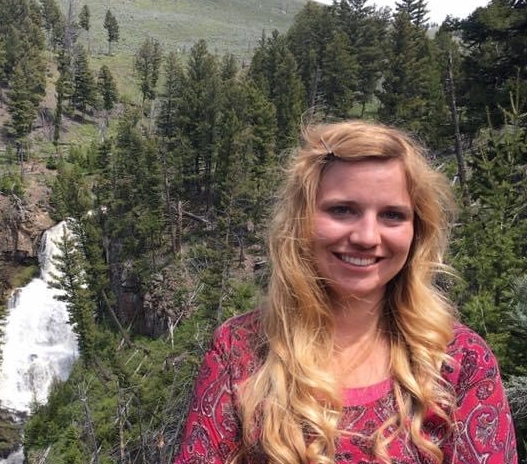
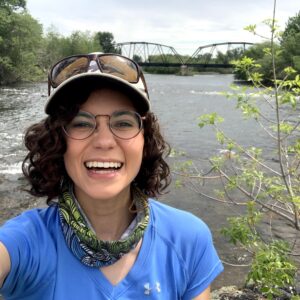
This thing provides really flattering selfies


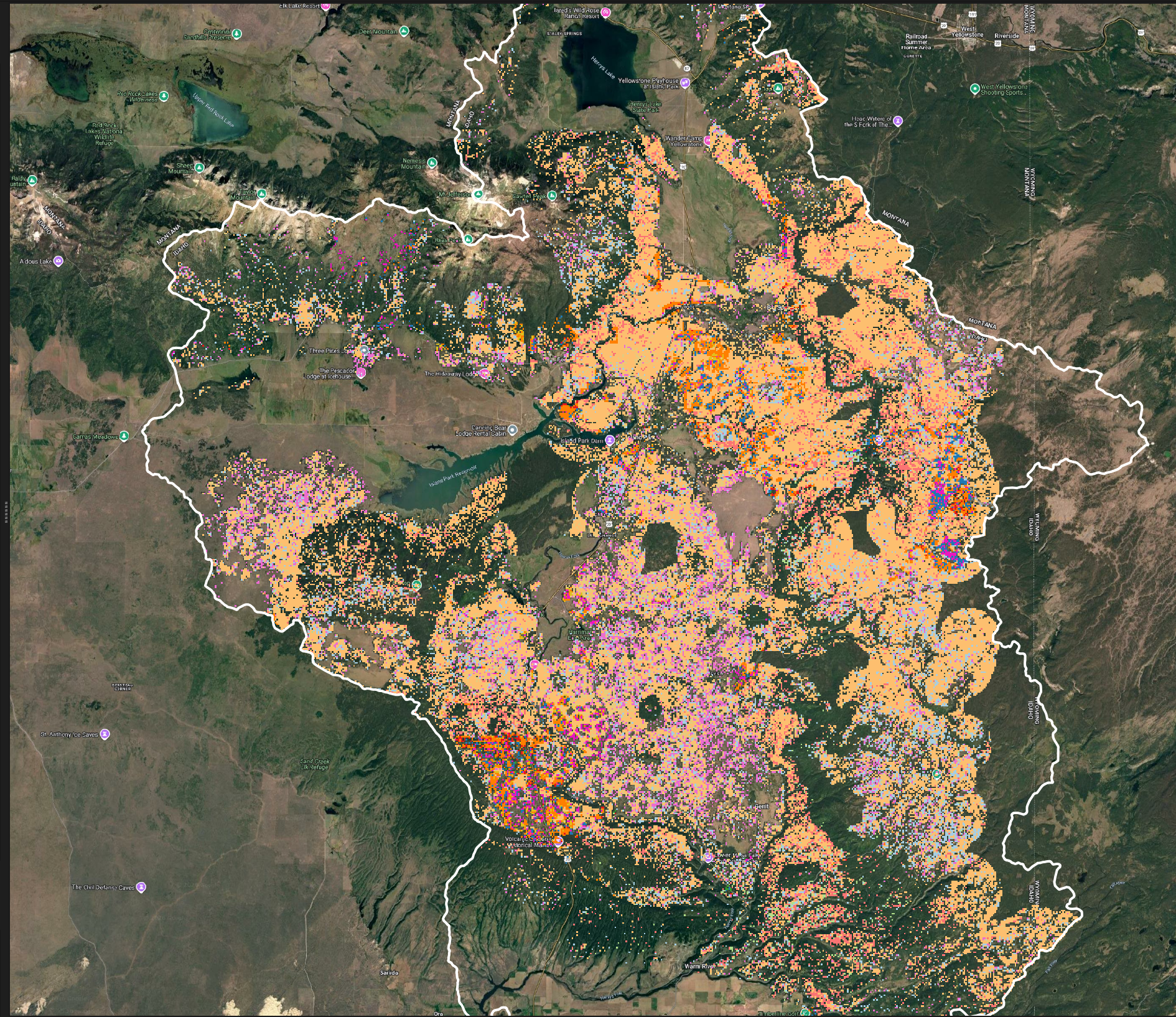
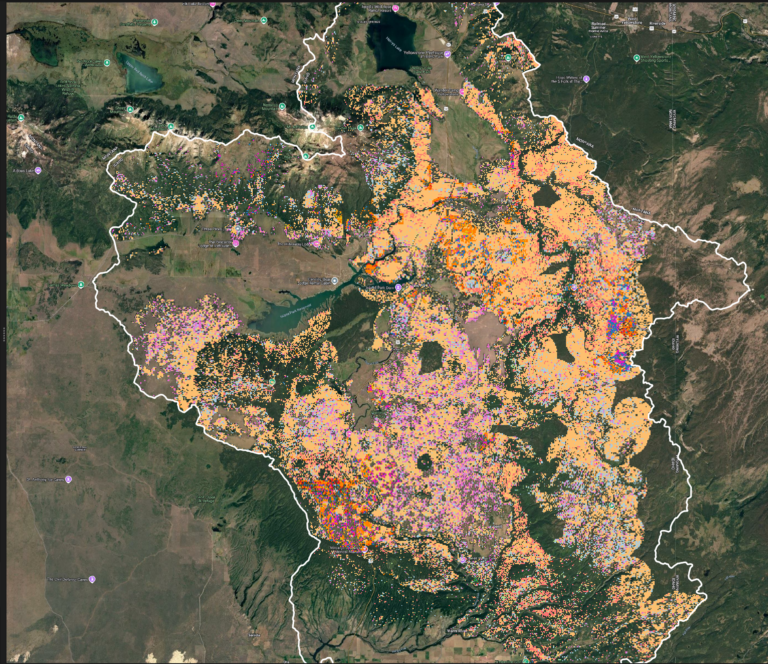
A screenshot of the lodgepole canopy types. All the colors in the candy store.


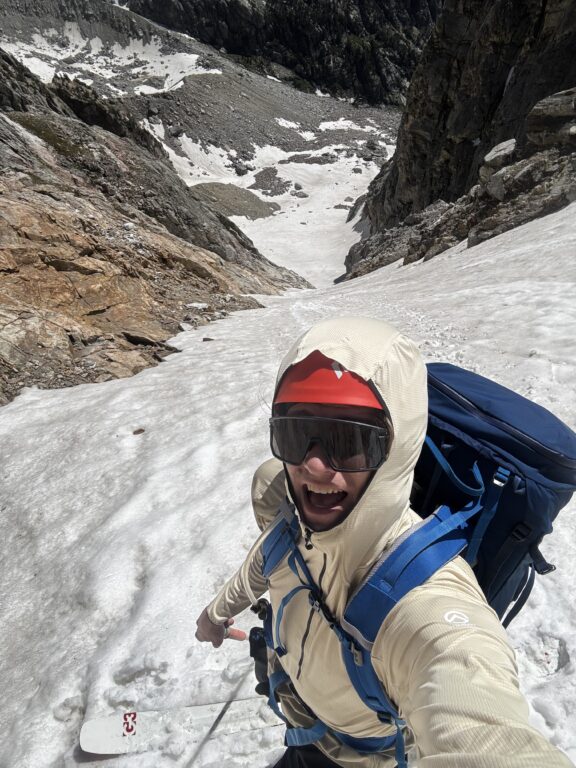
I was able to find some snow, and while no science was done on it, it was still pretty fun to ski down!

Facebook
LinkedIn
Pinterest

Recent Posts

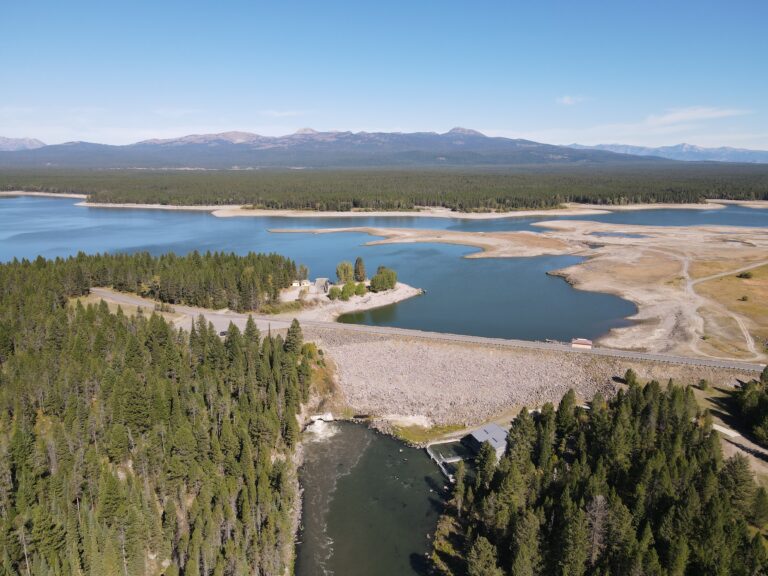
The blue water of Island Park Reservoir under a blue sky with a single white cloud. Sawtelle sits in the background and you can see rocky edges of the reservoir as the water levels have dropped.
Research and Monitoring
Christina Morrisett

Summer 2026: Water Quality Reflection and Forecast for Island Park

Photo of Island Park Reservoir, taken July 31 2026 Summer 2026 is the Henry’s Fork Foundation’s 11th summer monitoring conditions in Island Park Reservoir, and we continue to learn something new even a decade later. This summer’s lesson? How rain and high outflow disrupt algae blooms—maintaining clear water, for longer. The Weather Event At the end of June, data from HFF’s weekly monitoring on Island Park Reservoir showed that algae growth was creeping up and

Read More »
Fishing
Patrick Nardi

SUMMER ON THE SOUTH FORK

It’s no secret that the Henry’s Fork is a river of grandeur. To those that fish it, it is like a church – a sanctuary that breathes fly-fishing legend. However, the South Fork quietly rumbles in the distance, with striking beauty, and equally legendary status. The South Fork’s deep, ripping currents, and plugging canyon walls hold many anglers fish of a lifetime. However, beyond trout fishing, it is the community deeply rooted in the waters

Read More »
Intern
Sam Pruitt

(Almost) Snow-less Snow Science

As an MSU undergrad studying snow science, a summer internship might sound unlikely. Fortunately, snow is an invaluable resource year-round out here in the west, providing the majority of our water supply. My original project with the Henry’s Fork Foundation was to install snow monitoring stations across the watershed to better capture the spatial variability of its winter snowpack, however funding and approval has been backlogged. Luckily, my mentor ,Dr. Otto Lang, had another project

Read More »
Intern
Audrey Hunter

My First Time Fly Fishing

Claude’s secret but likely identifiable fishing spot My first Sunday in Ashton, Claude, the Washington and Lee Intern, did me the great kindness of taking me fly fishing for the first time in my entire life. I am not in any way an experienced angler. I’ve caught one fish in my entire life. I can’t identify it, and I only caught it with the help of my vastly more experienced little brother. Upon arriving here,

Read More »