On the Trail: A Summer Spent Listening, Learning, and Getting Ignored (Sometimes)

Home » Blog » On the Trail: A Summer Spent Listening, Learning, and Getting Ignored (Sometimes)
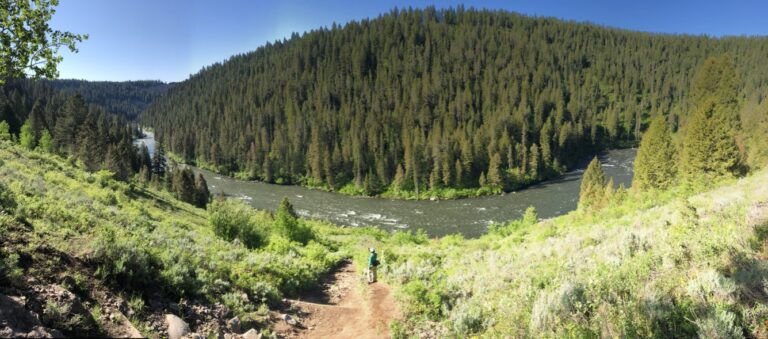
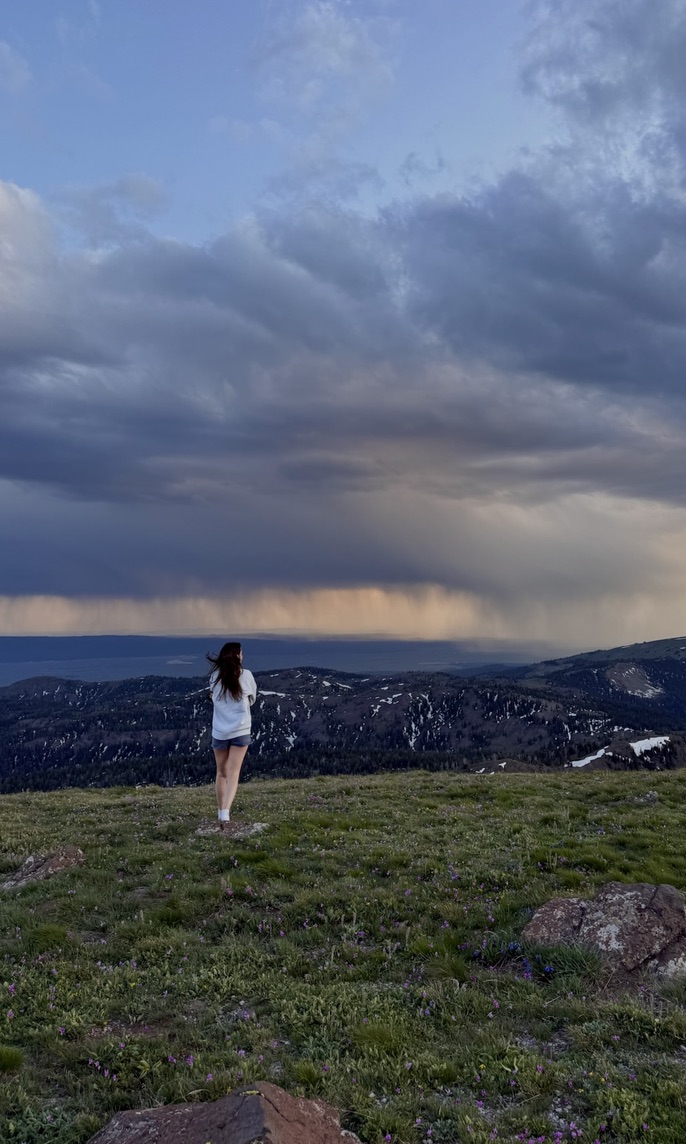
Woman standing in grass watching a rain storm

This summer, I’ve spent most of my time doing something that sounds easy enough…talking to people on trails. As an intern working with Friends of Harriman State Park and the Henry’s Fork Foundation, my role has been to collect trail use data: how visitors utilize the park, what they appreciate about it, and how it can be improved.

In theory, it couldn’t be simpler, just a quick 15-minute survey. In practice? Not so much.

We set up camp, including a folding table and a couple of chairs, in various spots around the park. Ranchview typically yields the best results, with the highest number of completed surveys. But more often than not, and less than ideal, you would find us stationed outside the pit toilets. It was a smelly situation and left me wondering why visitors seemed to rush by us more than usual. One morning at Osborne Bridge, it was so cold that Dara and I wrapped ourselves in sleeping bags and sipped coffee, trying to stay alert and enthusiastic for anyone who might partake in our survey. Still, the most challenging part isn’t the weather or the smell. It’s the rejection. I’ve been ignored, brushed off, and hit with snarky comments. Some people treat me like I’m trying to scam them out of money. Others act like I’m invisible. It can wear on you, especially when you’re out there for hours just trying to support a park they love enough to visit.

Now and then, someone stops. It could be for the free sticker, or out of curiosity, or kindness. Whatever the reason, those conversations make it worth it. Because when people do engage, we get to hear incredible stories about why they love Harriman, how long they’ve been coming here, and what the park means to them. 

The more time I spend conversing with or simply observing users, the more certain I am that this work matters. First-time users are in awe of Harriman, and regulars are passionate about the place, returning year after year to stay for weeks or months during the summer. Many visited as children with their parents, and now they are sharing it with their children or grandchildren for the first time. That love is what makes Harriman uniquely special and will keep it thriving.

Coming home to Island Park the summer after my first year of college has been bittersweet. I’m no longer the carefree high school kid running around these trails; I’m now someone dedicated to improving and protecting them. This place isn’t just where I grew up. It’s why I’m at Washington and Lee University in the first place.

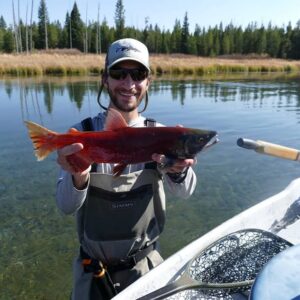
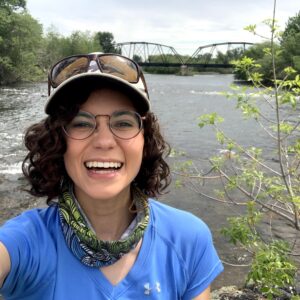
My name is Ella Paini, and I’m here because of the A. Paul Knight program. My connection to the program goes back decades; my father and godfather were Knight interns together in 1993. That summer changed their lives. They never left the area and went on to start a fly fishing business on Henry’s Fork that they still run today. Without Al Knight’s vision and generosity, I wouldn’t be at W&L. In all honesty, I may not even be here.

Facebook
LinkedIn
Pinterest

Recent Posts

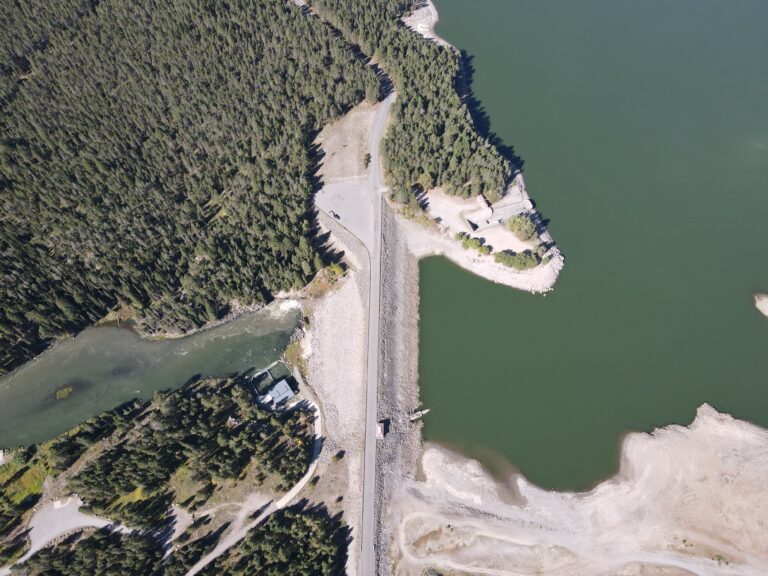
An aerial view of Island Park Dam. The reservoir sits behind it and the river flows below it.
Water Quality
Christina Morrisett

Summer 2026 Water Quality Forecast for Island Park

This article was originally published in Island Park News on May 29, 2026 Ice melted on Island Park Reservoir on March 31, 2026—four weeks earlier than normal and the earliest the Henry’s Fork Foundation (HFF) has observed in 12 years of monitoring. Such an early ice melt was not unexpected given the region’s near-record warm and dry winter. But ice melting a month early has implications for water quality in Island Park Reservoir and the

Read More »
Aerial photo of Island Park Reservoir. The dam is in the bottom left corner. The Centennial Mountain Range is in the top.
Research and Monitoring
Christina Morrisett

History of Water Quality in Island Park Reservoir

Warmer and drier conditions have slowly degraded water quality in Island Park Reservoir over the last 50 years.  In the 1970s and 1980s, federal reports and university research indicate that the reservoir had relatively good water quality. Island Park Reservoir was mesotrophic—with mostly clear water and occasionally low dissolved oxygen at the reservoir’s deepest depths during the summertime. But, as time went on, water quality began to decline. Historical satellite imagery analyzed by the U.S.

Read More »
A photo taken of Island Park Reservoir while standing on the dam and looking north. The sky is cloudy, Mt Sawtelle sits with little snow in the background, and the reservoir is open water (save for a few small sheets of ice in the distance).
Frequently Asked Questions
Christina Morrisett

Reservoir Ices Off, Growing Season Turns On

Photo of an ice-free Island Park Reservoir taken on March 31, 2026 On March 31, 2026, with no accompanying commentary, HFF scientist Christina Morrisett stood on top of Island Park Dam and texted colleagues Rob Van Kirk and Jack McLaren photos of open water on Island Park Reservoir. Rob, eager to see that the reservoir reality matched what he was seeing in the real-time river data downstream, texted back, “Yep! That’s close enough to ice

Read More »
Photo of confluence of Warm River and Henry's Fork
Fisheries
Rob Van Kirk

Water Supply and Water Quality Predictions for Summer 2026

The photo above captures the unprecedented situation we face at the beginning of April. The photo, of the confluence of Warm River and the Henry’s Fork, was taken on February 7 and shows the shocking lack of snow we experienced in the watershed all winter as a result of record-breaking warm temperatures. How will the warm winter and lack of snow affect water supply, water quantity, and fisheries? The highlights are below. If you want

Read More »