

Are aquatic insects actually declining?
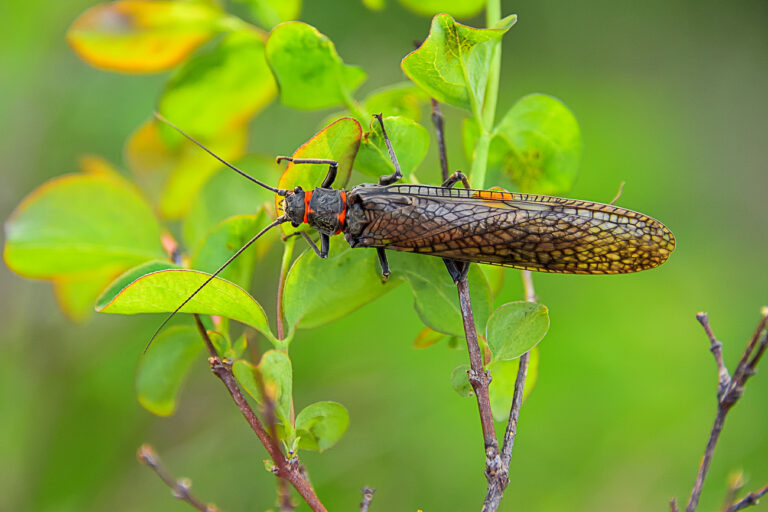
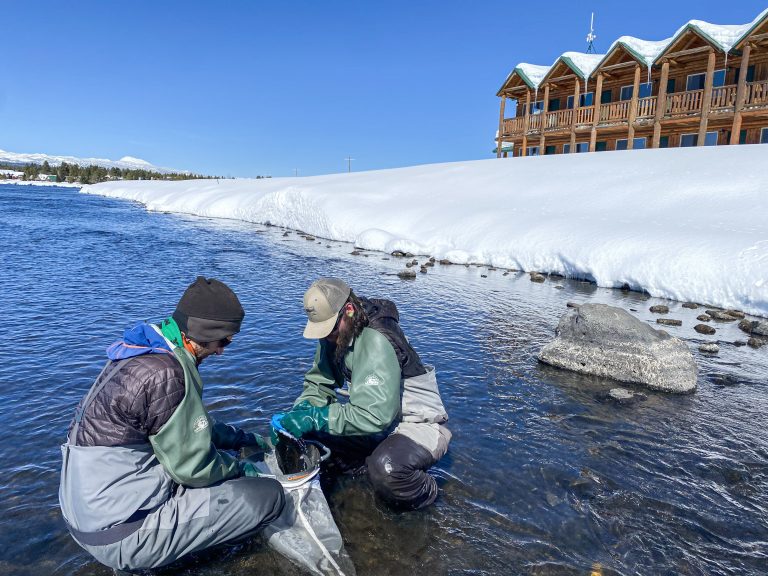
Not in the way many anglers might think. After 11 years of data collected across six sites on the Henry’s Fork, we’re seeing that overall invertebrate communities remain abundant, diverse, and comparable—or better—than other top western trout streams. In fact, key indicators show improving water quality and habitat conditions over time.

So why do hatches sometimes feel worse—especially at Last Chance?
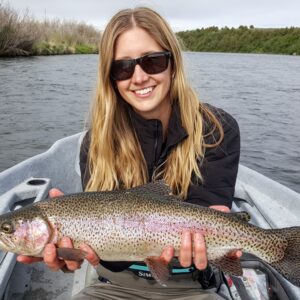
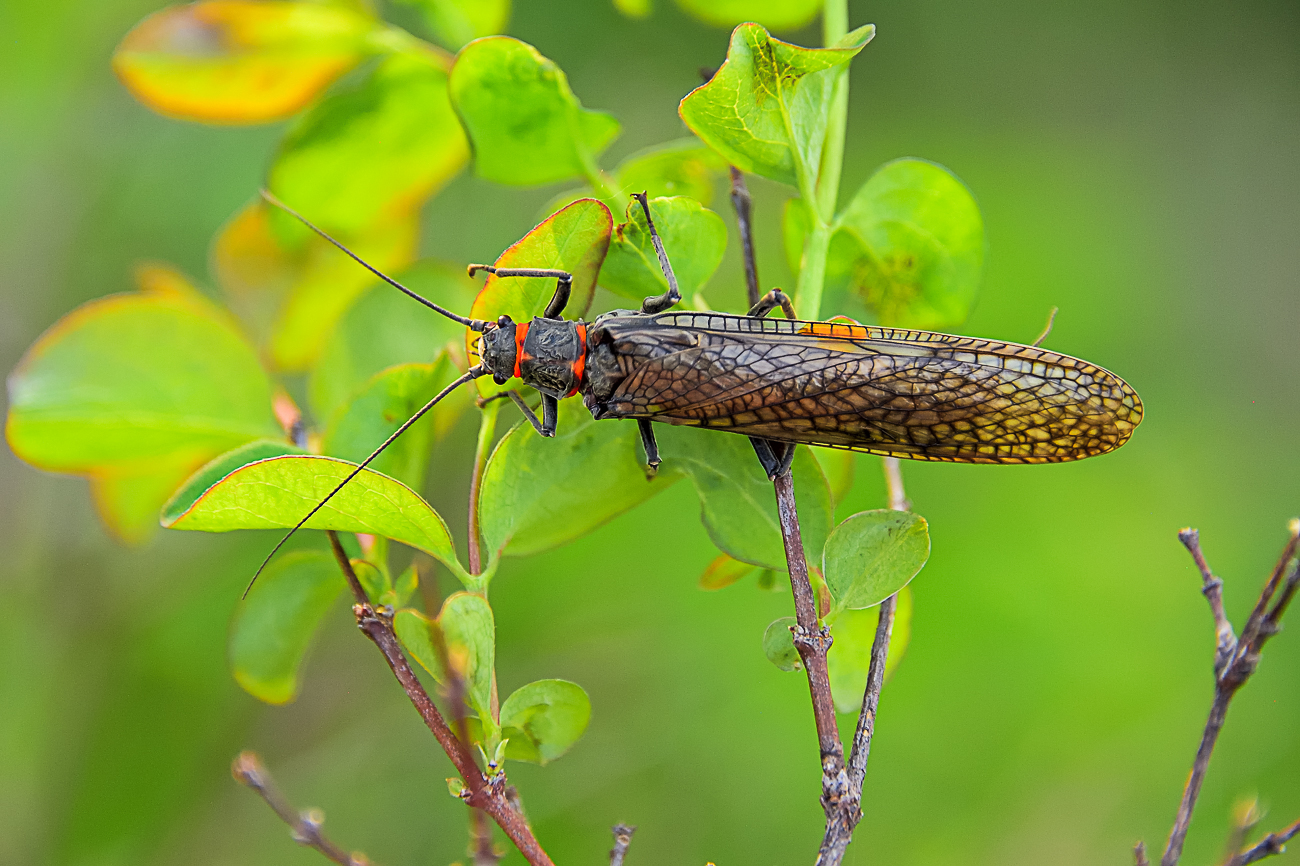
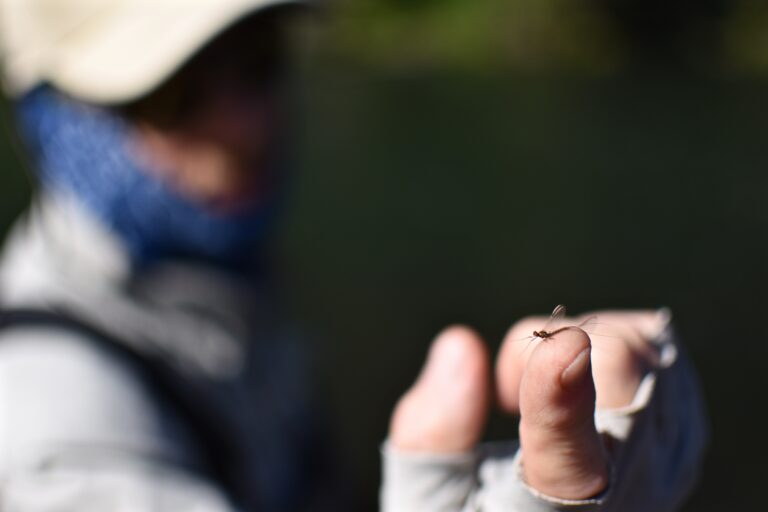
The short answer: it’s not just about insect numbers. While Pale Morning Dun (PMD) abundance has declined, broader metrics like diversity and sensitive species (mayflies, stoneflies, caddis) have improved. What anglers are experiencing is likely driven more by factors like warmer water, increased turbidity, changes in emergence timing, and lower trout numbers—all of which affect how fish feed and how hatches show up on the water.

What does this mean for fishing going forward?
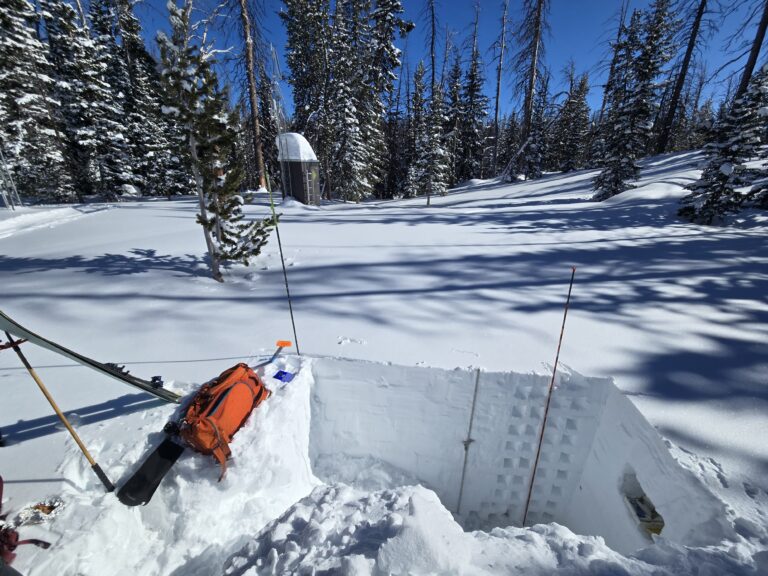
The river is still producing strong insect communities, but timing and conditions matter more than ever. Warmer temperatures are shifting hatch timing earlier, and early runoff is increasing turbidity sooner in the season—compressing that classic “goldilocks” dry-fly window. Success may depend more on timing, flows, weather, and river clarity than on long-term declines in the food base.
But, because learning is never done, HFF is also launching a cutting-edge environmental DNA (eDNA) study—to track the timing and strength of PMD hatches and better understand what Mountain Whitefish can tell us about river health.
Learn more or dive into the data here.