I grew up fishing on the North Carolina coast. From flounder and speckled trout (not actually in the trout family) deep in the creeks to Spanish mackerel and bull redfish right off the beach, all the way out to what feels like the middle of the ocean trolling for king mackerel and cobia, I loved
the wide variety of fish.
One sunny July morning a few summers back, my dad and I headed offshore in hopes of finding some king mackerel. It didn’t take long to realize it was going to be a slow day of fishing. The morning came and went; the sun climbed higher in the sky, its rays growing more intense every minute. It was quiet, and then it wasn’t. One of the reels began to scream. As we looked toward the stern of the boat, we saw a sailfish dancing on top of the water. Catching a sailfish during July in 80 feet of water is extremely rare and is the exact reason why I love saltwater fishing: you never know what is at the end of your line until you see it.
I had a few fly-fishing experiences before my time in Idaho, but I never really considered it “my game.” To me, and many other saltwater fishermen, fly anglers seemed to be more interested in looking at trees and flowers than actually fishing.
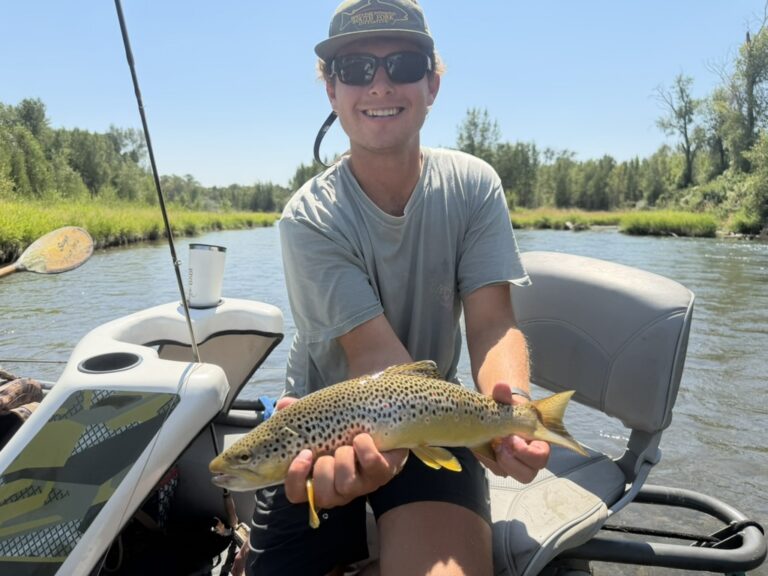
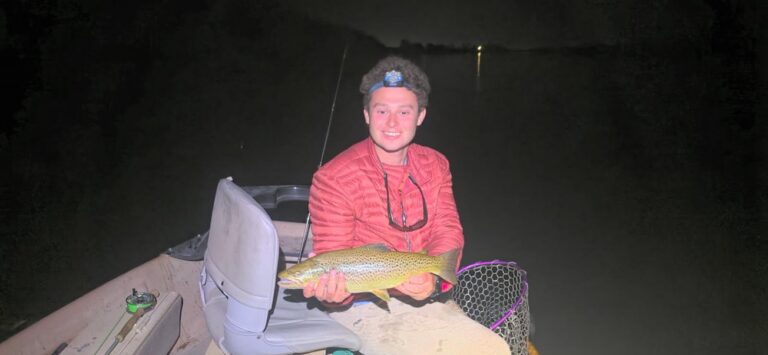
A nice brown that was tricked by a streamer on the South Fork
Upon my arrival in Ashton and during my first few days at the Foundation, it became apparent that the draw of fly fishing was not the harvest of fish, but the chase itself. While that is most definitely a part of the saltwater fishing I do back home, anglers out West are more inclined to wait and try to trick a fish of their choosing—not just any old fish.
One of my first fishing endeavors out here was just below the Ranch Section of the Henry’s Fork. I made the trek north to meet with a gentleman who helps support the W&L interns. When we got to the river, we put our rods together, tied on some flies, and then stood on the bank for what must have been an hour as daylight began to fade. He explained that we were studying the brown drake hatch and waiting for the right fish to rise. While he intently watched the river, I was going crazy. Fish were rising, bugs were hatching, and this guy wanted to sit on land and wait for the “right” fish to rise. I believe that, after what felt like an eternity, he sensed my growing impatience and gave me the green light to hop in the river. I caught zero fish.
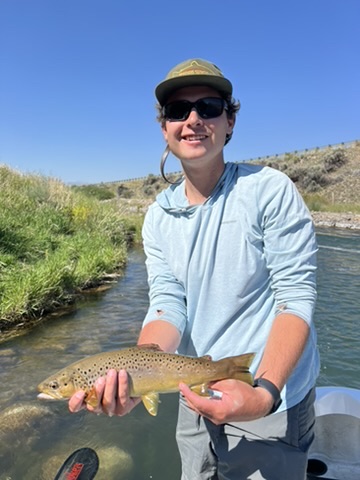
This brown trout was found in some fast water on the Beaverhead
To my surprise, the lessons he taught me that evening became ever more important as I became a better fly angler. Now, I find myself standing by the river’s edge waiting for the “right” fish to rise. Heck, I even hop in the water without a rod occasionally and pick up bugs floating downstream!
When I first moved to Ashton, I was doubtful that any of the tips and tricks I learned while fly fishing would be applicable in the saltwater of North Carolina. But taking an extra beat to survey the water, even if it’s just a few minutes, is a tactic that I will take home with me. There is no doubt that fly anglers spend more time observing their surroundings without a line in the water, and perhaps that is exactly what makes them successful.
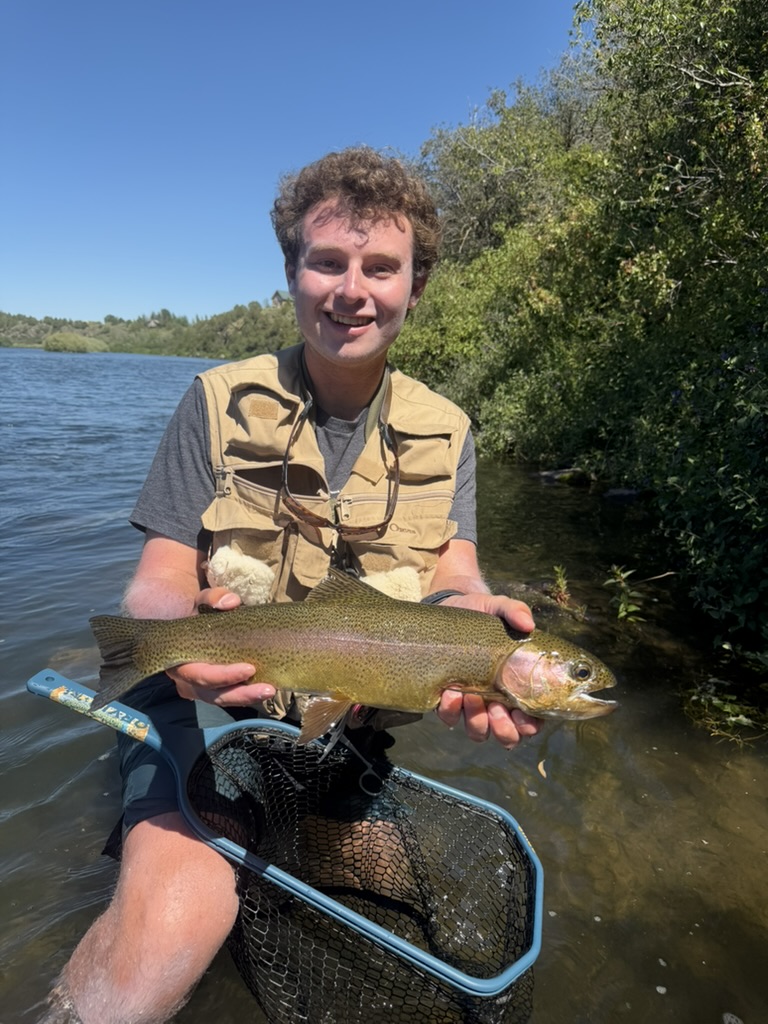
I even got the opportunity to try mousing. We got lucky when this fish exploded on top of the water, devouring my fly
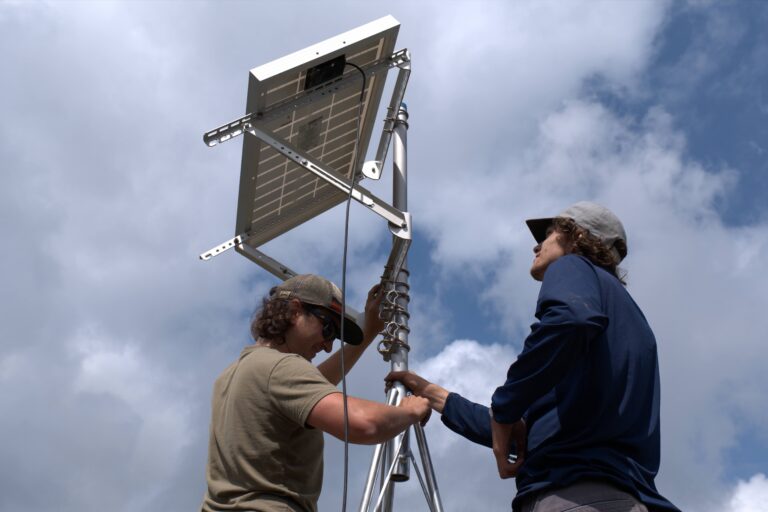
For the first half of my internship, it was unclear if we would get to install the snow monitoring stations. With only three weeks left in my internship, the parts arrived, the permitting was approved, and I am happy to say that we have three stations in the ground! Dr. Lang, Joe, and I were like three kids on Christmas opening up all the boxes, only a little more careful due to the fragility of
Our Aquatic Ecology Program Manager, Dr. Jack McLaren, joined Idaho Falls city and FIPS-Mouche leadership at the opening ceremony parade along the Snake River Greenbelt to welcome competitors to the watershed and to make sure conservation was front and center.
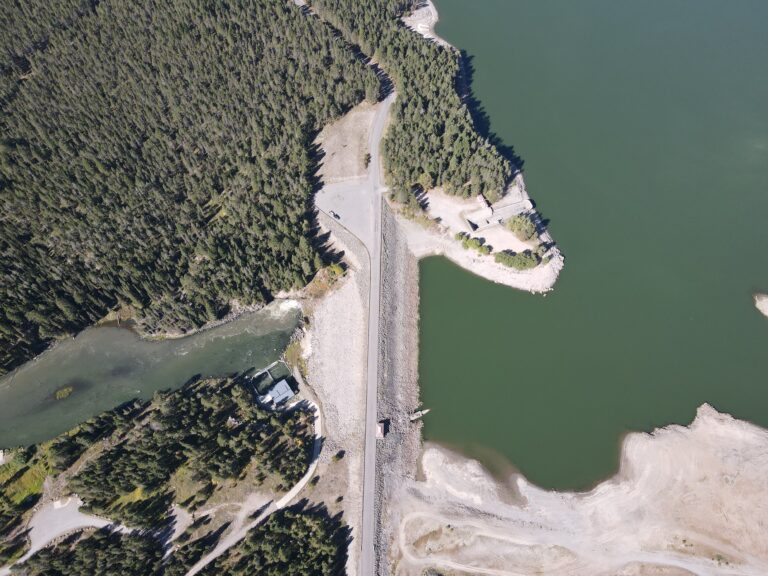
Drone photo of Island Park Dam taken on September 9, 2026 Looking Back on September September brought lows and highs to Island Park. Island Park Reservoir started September at 29% full and quickly fell to a low of 12% full on September 19. The rapid drawdown of the reservoir was the result of managers needing to move water downstream to American Falls (to irrigate farms in the Magic Valley with senior water rights). Such low
This story was written by Audrey Hunter (2026 intern) and was originally published in the Fall 2026 Newsletter. It’s no secret that late summers on Island Park Reservoir haven’t been in perfect conditions in recent years. Warm, turbid, algae-filled water plague reservoir recreationists while diminishing water quality downstream. Cyclical algal blooms decrease water clarity and create less-than-ideal circumstances for the reservoir’s flora and fauna. What’s the solution? HFF’s DIRTT Plan. In-Reservoir Oxygenation Nutrients released from