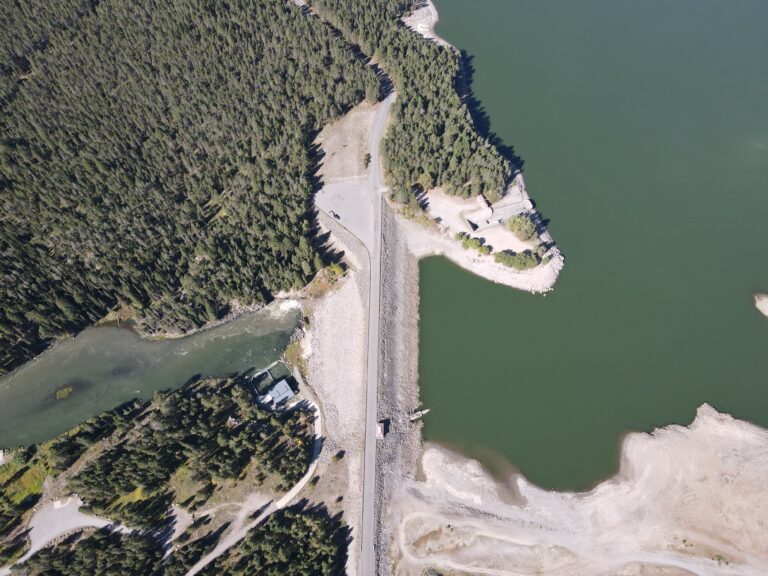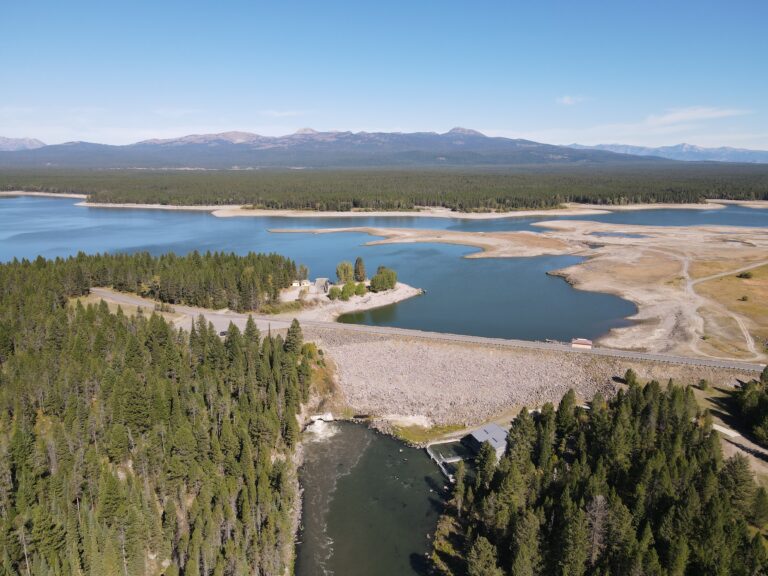
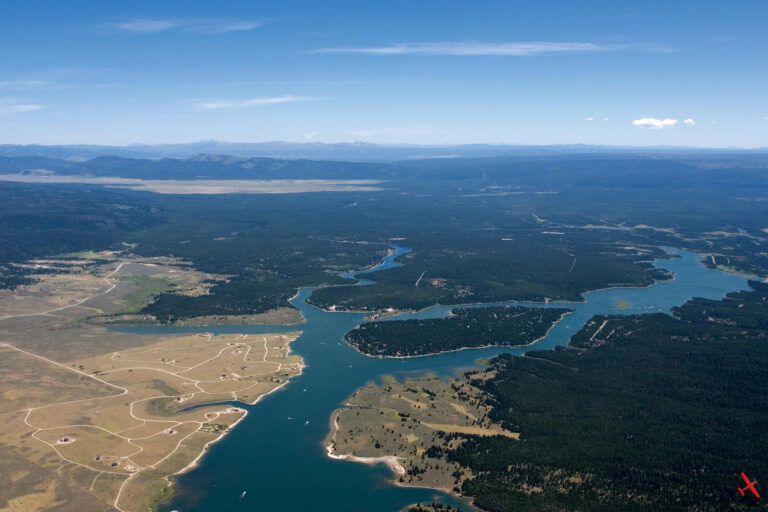
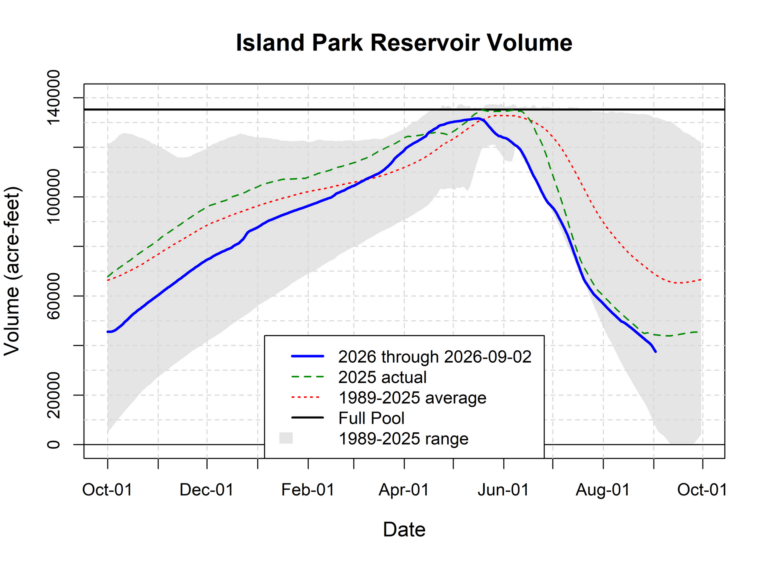

Why is Island Park Reservoir getting so low?
Simply put, this has been an exceptionally low-water year. There isn’t enough natural flow to meet all of the basin’s needs without drawing down reservoirs. Water managers are working together to deliver water that is legally owed downstream while preserving as much as possible for next year.

What should anglers expect below Island Park Dam?
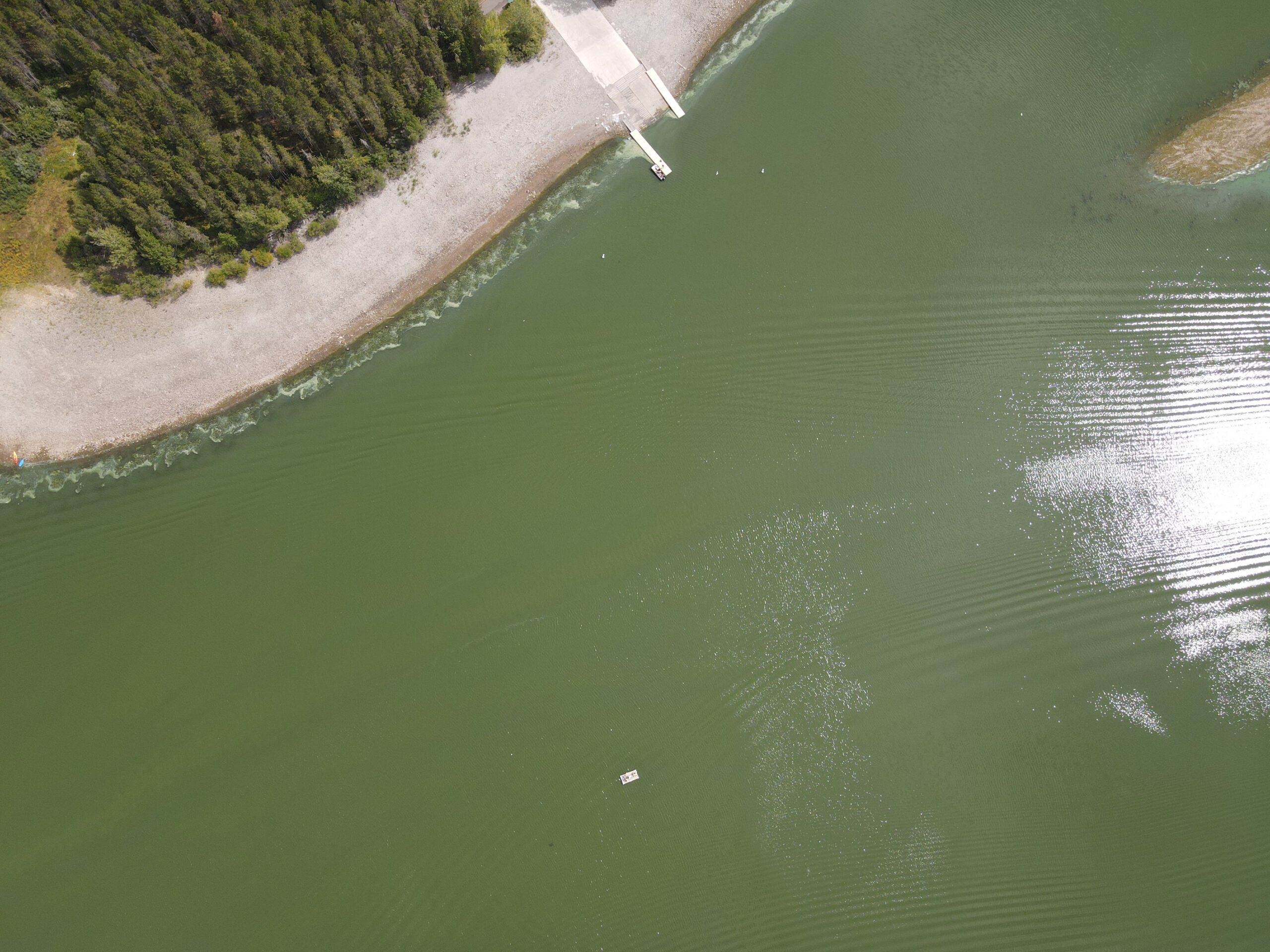
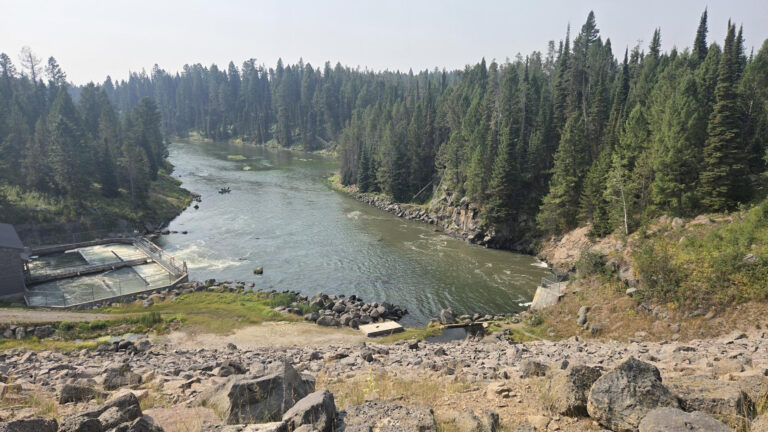
As Island Park Reservoir drops too low for the hydropower plant to operate, all outflow will shift to the dam gates. The river below the dam will become more turbid and off-color, and anglers may see plant material, algae mats, suspended sediment, and even some fish moving out of the reservoir. The important difference from last year is duration: these conditions are expected to last only a few weeks, compared with nearly 12 weeks of elevated turbidity from July into October 2025.

Is coordinated water management making a difference?
A significant one. In a water year this poor, Island Park Reservoir would historically be expected to finish essentially empty. Instead, years of precise water management and collaboration through the Drought Management Planning Committee are allowing the Henry’s Fork reservoirs to retain substantially more water than the Upper Snake system overall— about 33% full vs around 5%. In other words: the water supply is exceptionally poor, but the outcome is considerably better than the water supply alone would suggest.

When should conditions improve?
The current plan keeps Island Park releases elevated until roughly September 22, then reduces outflow sharply so the reservoir can begin refilling for next summer. That should also bring improving water clarity below the dam. The Drought Management Planning Committee will continue meeting weekly and adjusting the plan if changing conditions create opportunities to save additional water.
View Island Park Resrvoir data here.