
Island Park Reservoir Current Conditions (9/4/26)

Home » Blog » Island Park Reservoir Current Conditions (9/4/26)

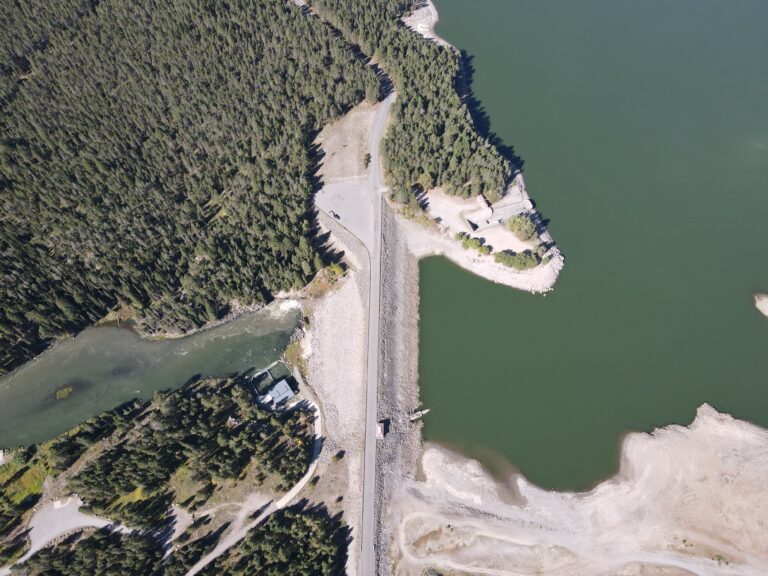
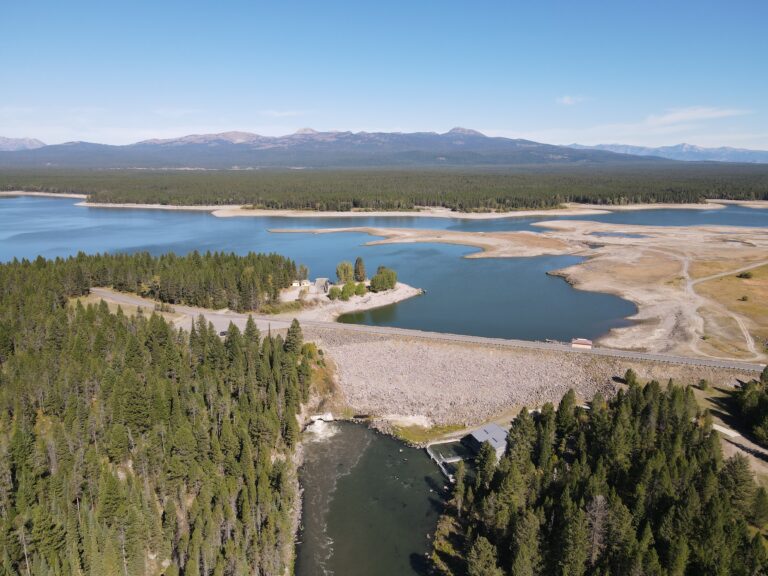
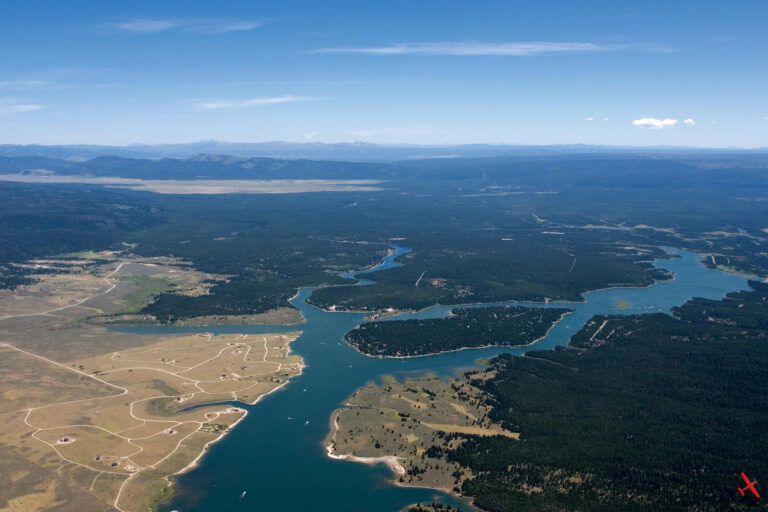
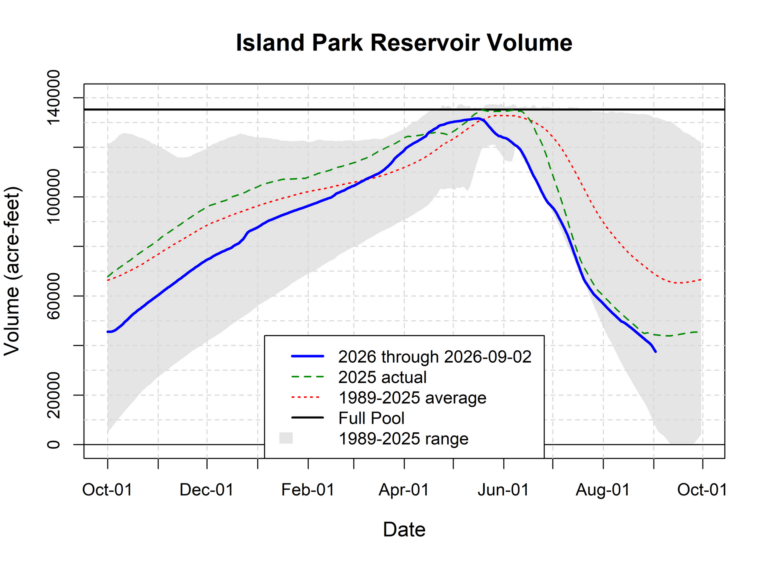
Why is Island Park Reservoir getting so low?

Simply put, this has been an exceptionally low-water year. There isn’t enough natural flow to meet all of the basin’s needs without drawing down reservoirs. Water managers are working together to deliver water that is legally owed downstream while preserving as much as possible for next year.

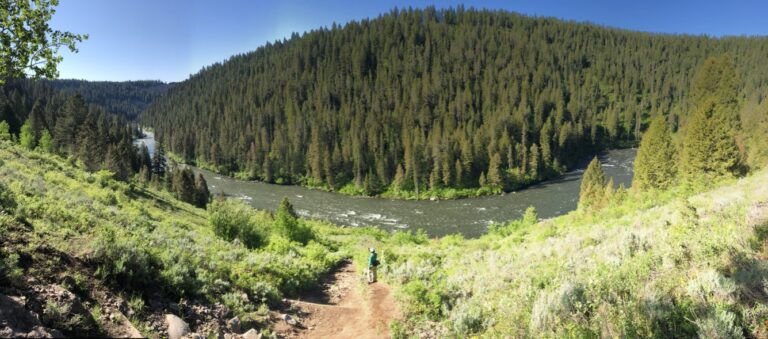
What should anglers expect below Island Park Dam?

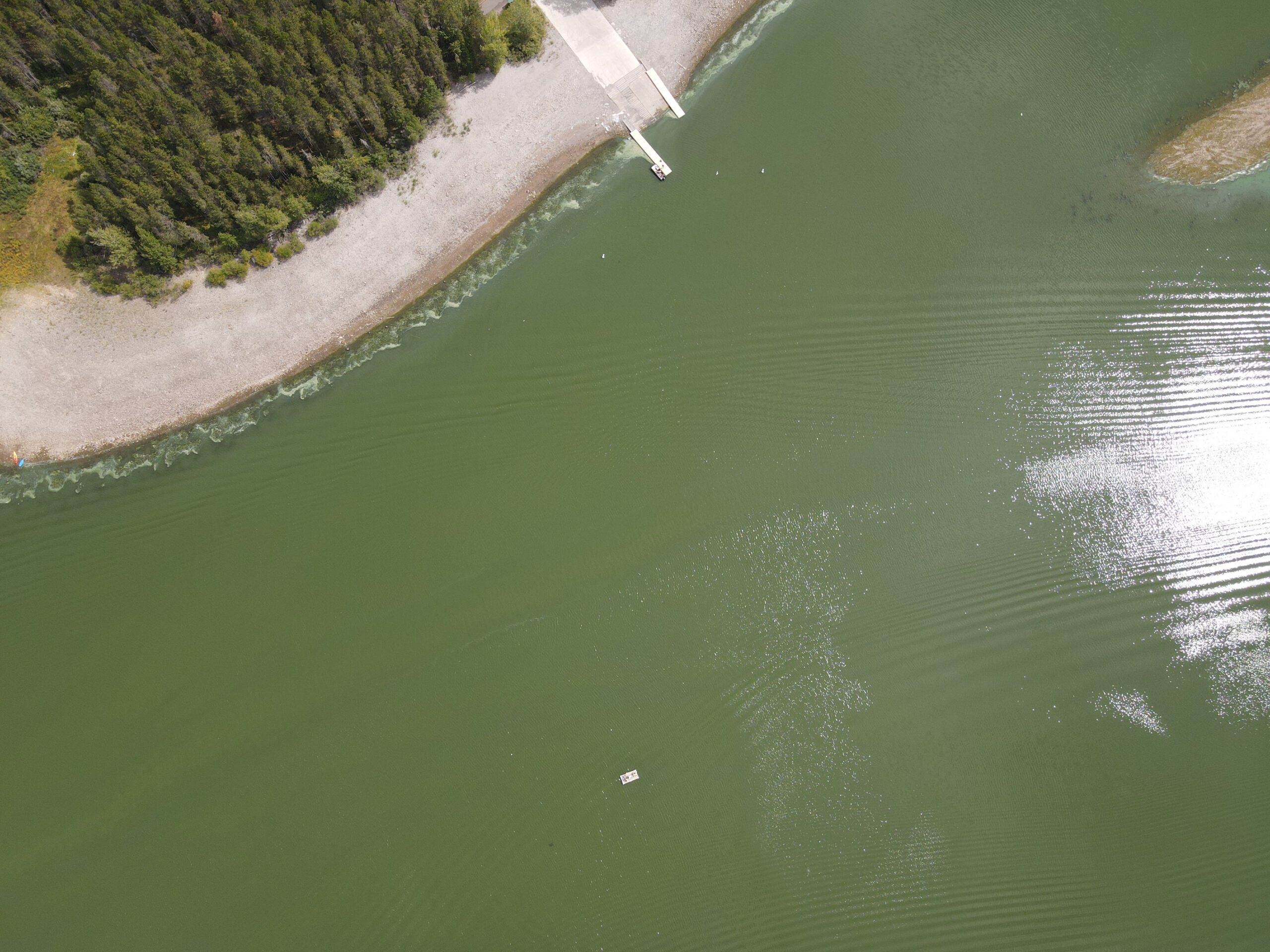
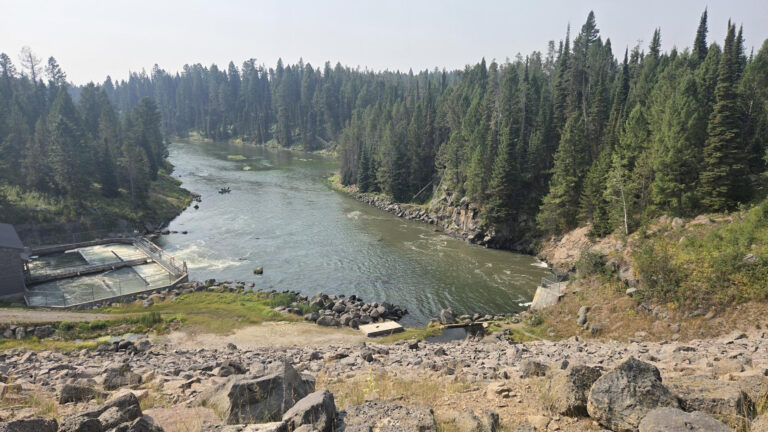
As Island Park Reservoir drops too low for the hydropower plant to operate, all outflow will shift to the dam gates. The river below the dam will become more turbid and off-color, and anglers may see plant material, algae mats, suspended sediment, and even some fish moving out of the reservoir. The important difference from last year is duration: these conditions are expected to last only a few weeks, compared with nearly 12 weeks of elevated turbidity from July into October 2025.

Is coordinated water management making a difference?

A significant one. In a water year this poor, Island Park Reservoir would historically be expected to finish essentially empty. Instead, years of precise water management and collaboration through the Drought Management Planning Committee are allowing the Henry’s Fork reservoirs to retain substantially more water than the Upper Snake system overall— about 33% full vs around 5%. In other words: the water supply is exceptionally poor, but the outcome is considerably better than the water supply alone would suggest.

When should conditions improve?

The current plan keeps Island Park releases elevated until roughly September 22, then reduces outflow sharply so the reservoir can begin refilling for next summer. That should also bring improving water clarity below the dam. The Drought Management Planning Committee will continue meeting weekly and adjusting the plan if changing conditions create opportunities to save additional water.


View Island Park Resrvoir data here.

Facebook
LinkedIn
Pinterest

Recent Posts

General
Jasper Davis

Island Park Reservoir Current Conditions (9/4/26)

Why is Island Park Reservoir getting so low? Simply put, this has been an exceptionally low-water year. There isn’t enough natural flow to meet all of the basin’s needs without drawing down reservoirs. Water managers are working together to deliver water that is legally owed downstream while preserving as much as possible for next year. What should anglers expect below Island Park Dam? As Island Park Reservoir drops too low for the hydropower plant to

Read More »
Water Quality
Christina Morrisett

September 2026 Water Quality Forecast for Island Park

Photo of Island Park Reservoir taken Friday, August 28, 2026 The ingredients for green algae blooms, the primary culprit for turbid water in Island Park, stacked up one after the other earlier this spring. Warm air temperatures. Low streamflow. Long, sunny days. And an ice-free reservoir 30 days earlier than normal. At the Henry’s Fork Foundation, where we swim in water data daily, we braced ourselves for the water quality worst-case scenario: another summer with

Read More »
Frequently Asked Questions
Christina Morrisett

FAQ: Island Park Reservoir Water Quality

Island Park Reservoir on June 24, 2026 Questions answered in this article: Why are Island Park Reservoir levels so low this year? Is Island Park Reservoir hyper-eutrophic? Are silt and sediment building up behind the dam?   Island Park Reservoir is the center of the Henry’s Fork universe. Reservoir water quality and quantity shape our fisheries, and your fishing experience. But after a warm winter and lower-than-average snowfall, we’ve received a lot of questions about

Read More »
A river surrounded by snow. There are rocks in the foreground pillowy with snow. The river flows from right to left in the middle. On the other side sits needled trees and a snow covered bank. The photo almost appears to be black and white.
Research and Monitoring
Christina Morrisett

Following the Snowmelt: From Mountains to Rivers

Eastern Idaho just had its warmest winter on record—and a changing climate may mean more warm winters to come. Warm winters have big implications for our snowpack, and consequently, the water that supports our fisheries. How? Snowstorms build mountain snowpacks. When a snowpack melts, some of the water is absorbed by soil, recharging groundwater and giving thirsty plants a drink. The rest of the water runs into rivers and reservoirs. In the winter, our mountain

Read More »