Lessons Learned on the South Fork

Fish Icon
Home » Blog » Lessons Learned on the South Fork
Mountains

Time flies when you’re having fun—something I’ve heard too often, especially as of late. And although it’s a cliché, this summer has proven that phrase true. My 10-week South Fork Initiative internship has flown by faster than ever. Soon, I’ll no longer be at Conant boat ramp, but driving 40 hours home to Northern Maine. And as I look back on my time spent in Idaho, I have so many great memories to reflect on! With memories, though, come lessons. Not only have I learned some new ones, but others have been reinforced through experiences out West. That being said, here are some of my favorite lessons learned on the South Fork.

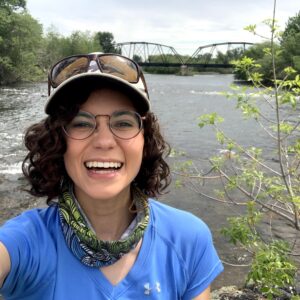
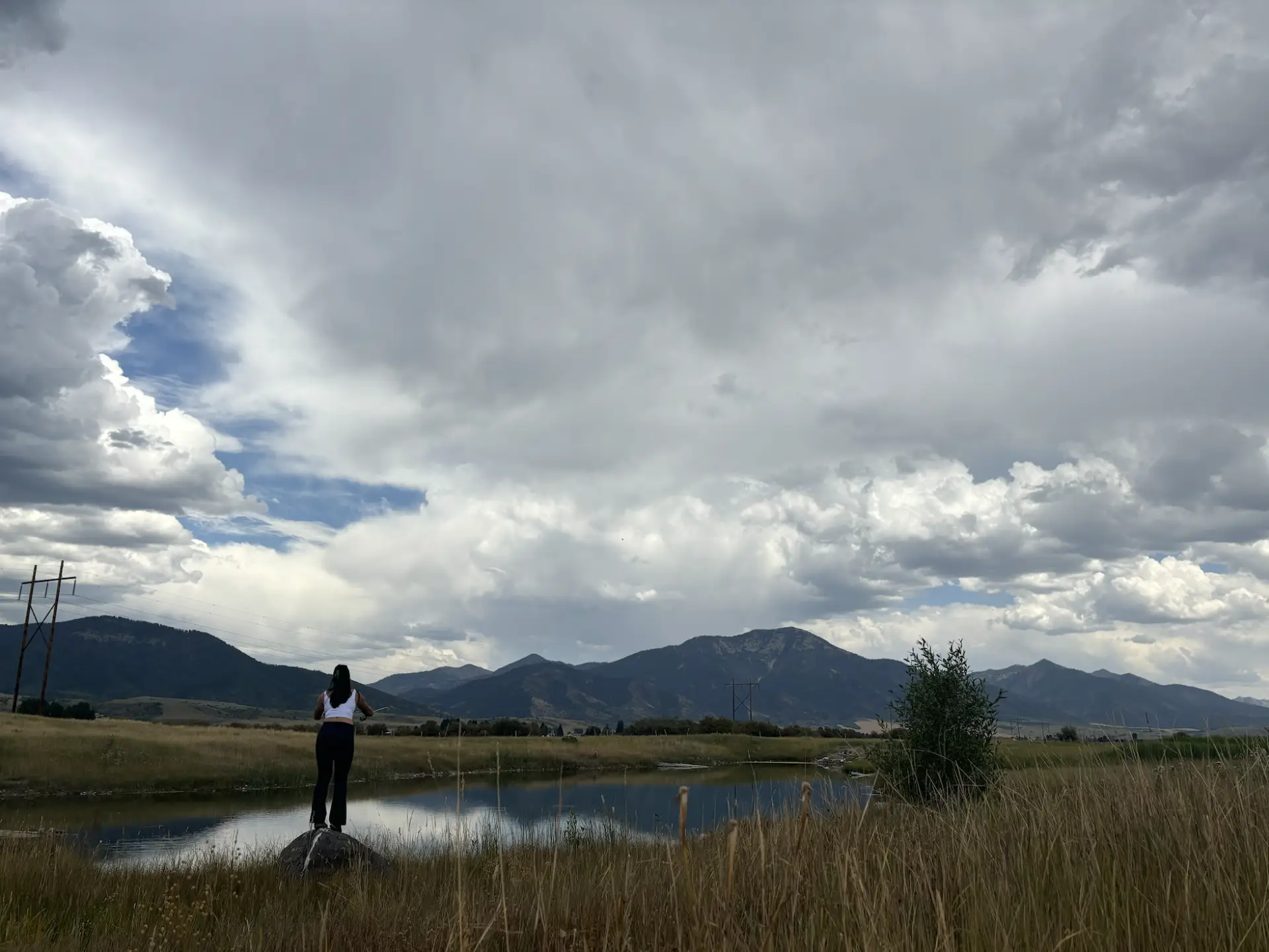
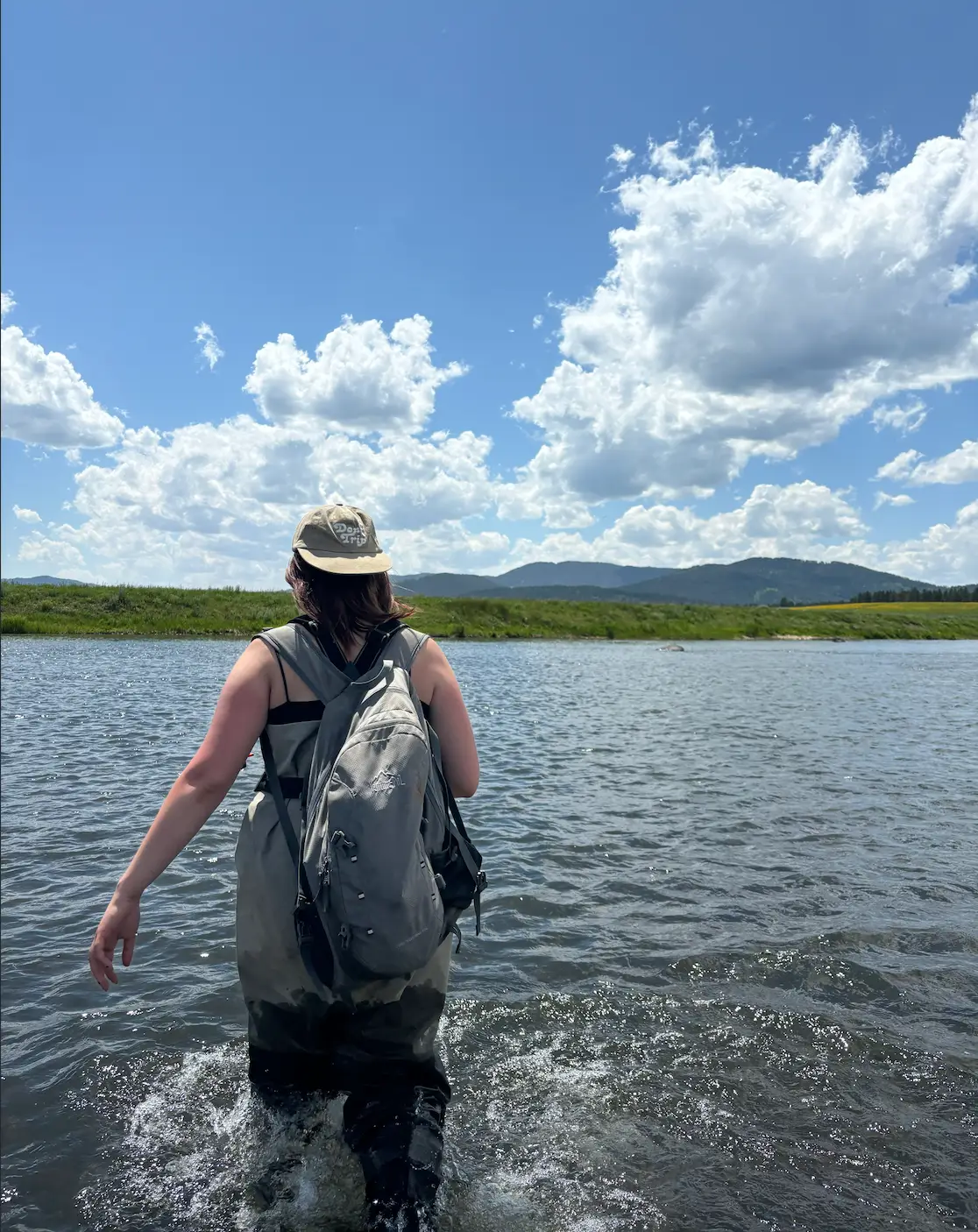
Woman in river near mountains

Don’t Fear Rejection!

During my time at Conant Boat Ramp working on our outreach program, Morning Bites, my mentor Devan encouraged me to reach out to people first. Although this method started out slow, it became second nature by the end of the summer. Over time, I found myself more and more comfortable communicating with people I had never met before. Not only did I enjoy it, but it also allowed me to effectively spread information about the South Fork Initiative. By the end of my internship, I felt confident in my communication skills and had made so many connections through Morning Bites! One of my favorite parts of my internship has been just that: meeting new people and learning what has brought them to the South Fork.

Of course, not everyone will want to hear about the South Fork Initiative. Some are beyond eager to get out on the river and start fishing—and that’s okay! I’ve learned that with communication comes rejection. But rejection shouldn’t stop you from doing your job. It shouldn’t shut down the idea of doing something you enjoy. Recognize it, and move on!

Walking in Waders...

Moving swiftly on, I don’t recommend walking long distances in waders… in Harriman State Park… or anywhere above water.

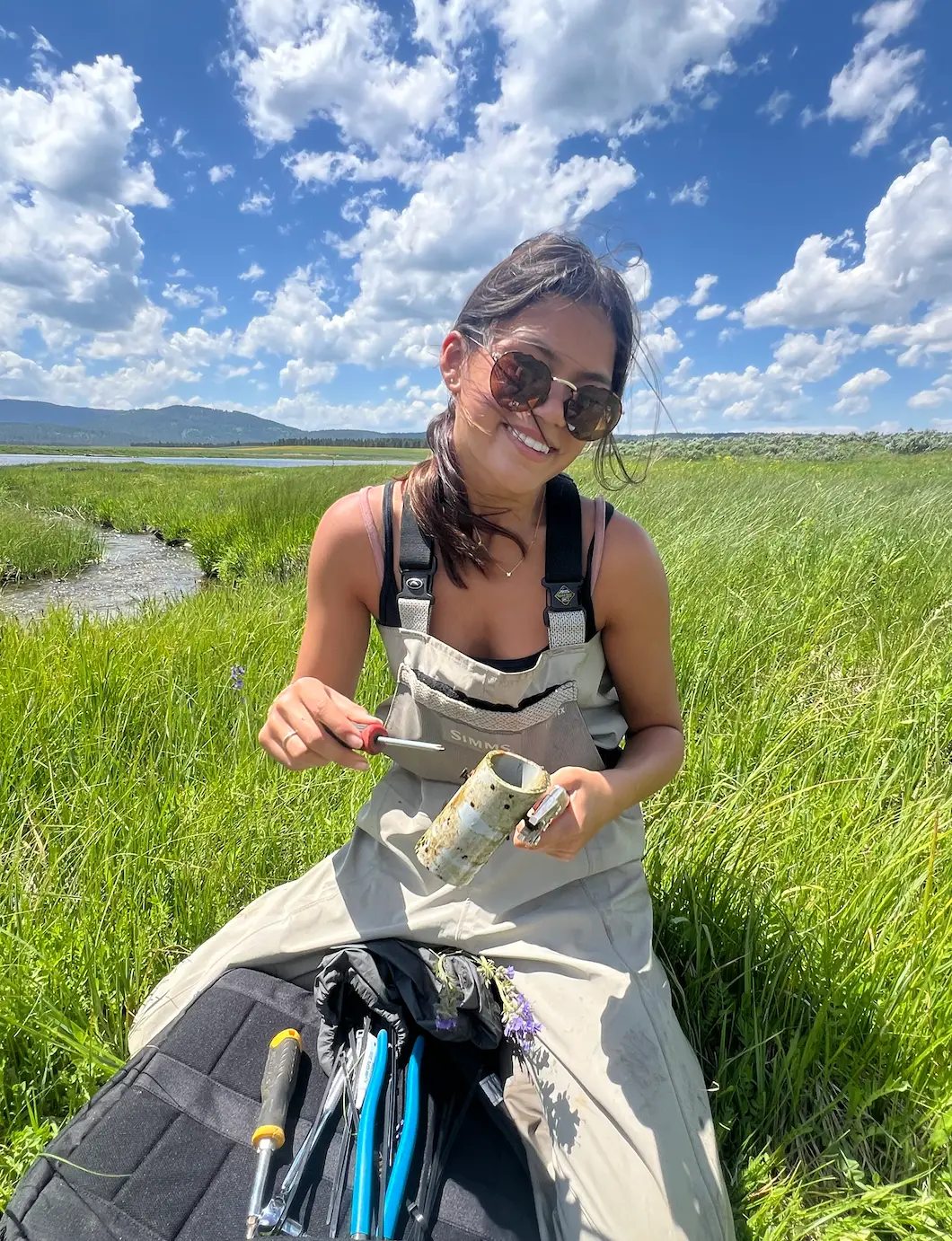
When tasked with the maintenance of seven temperature loggers, fellow intern Dela and I made the mistake of leaving our hiking boots in the car. A few loggers later, we found ourselves with blisters and sore feet. Although this occurred on the Henry’s Fork, I figured I’d share. Lesson learned!

Woman taking dirt samples
Woman wading in the river

Explore!

Before my internship began, I worried that my summer would be boring or lonely. As I mentioned in my last blog post, Swan Valley is small. I pictured myself living in a trailer alone and wondered what I would end up doing for my 10 weeks away from home. But as it turns out, there’s so much to see! Ten weeks is not nearly enough time to explore everything I wanted see.

That being said, if a future SFI Intern is reading this, I recommend wasting no time and exploring as soon as possible. Take advice from the locals, be safe, and try new things! Time will fly by, and before you know it, it’ll be your final week of your internship. Make it a summer to truly remember!

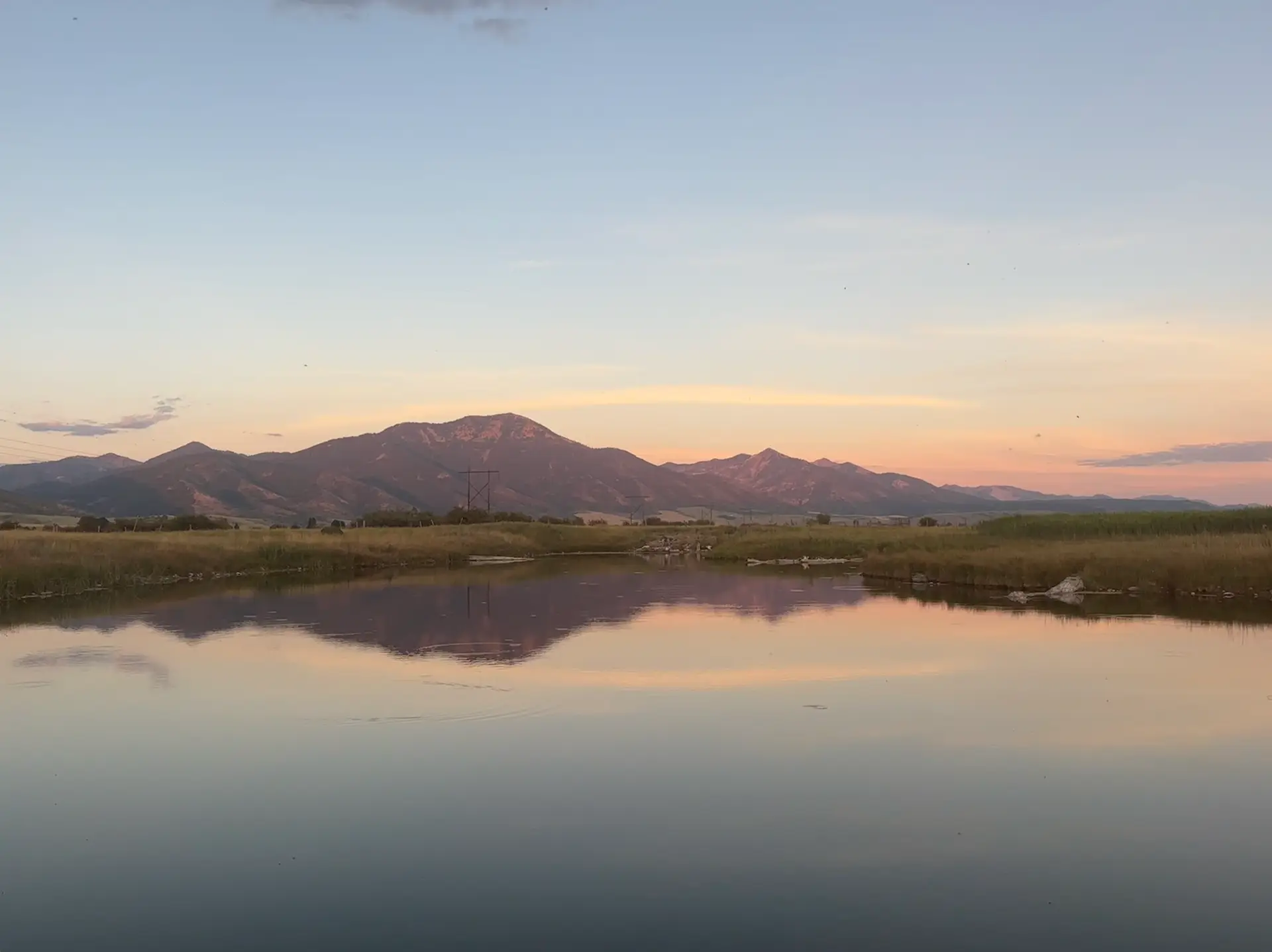
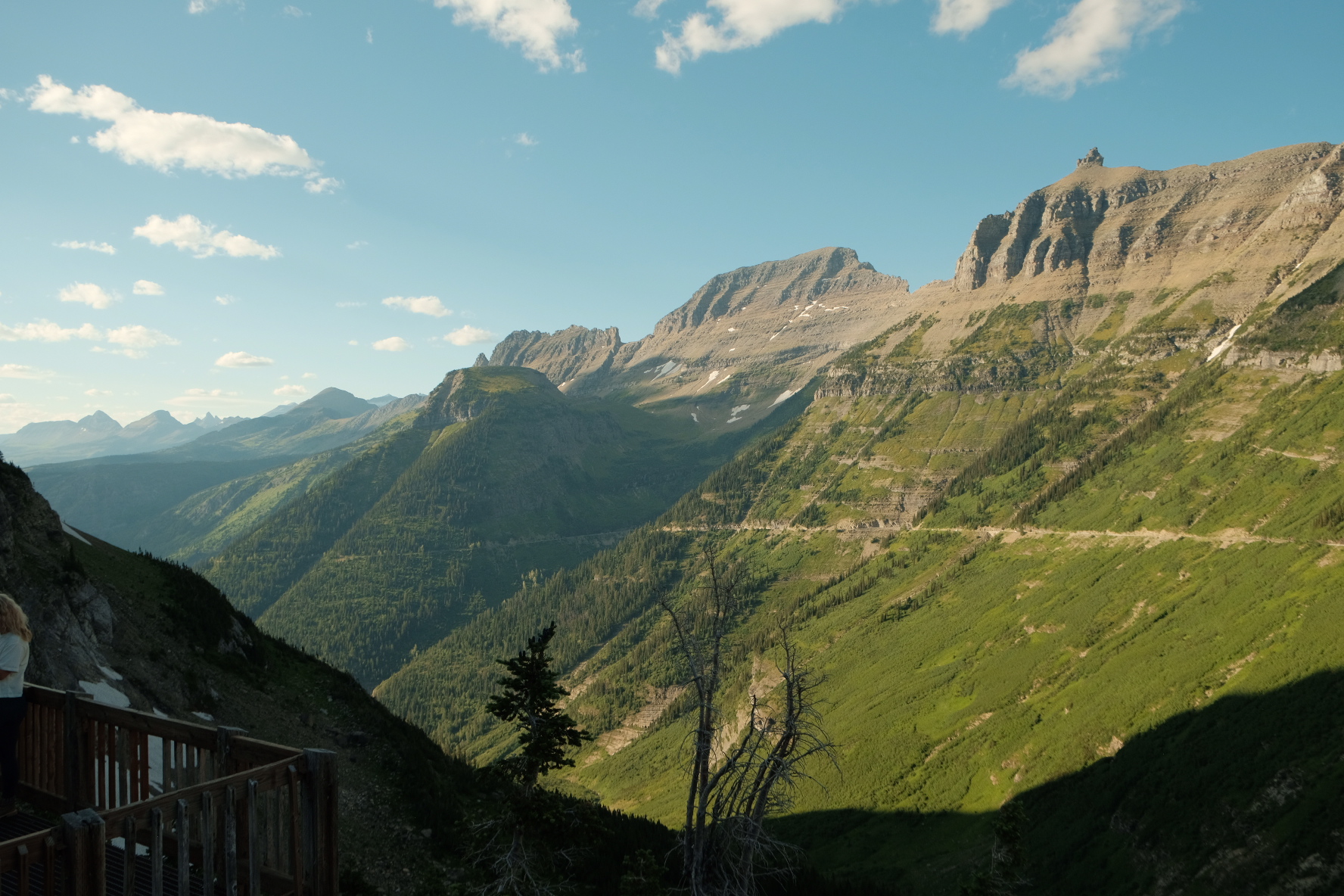
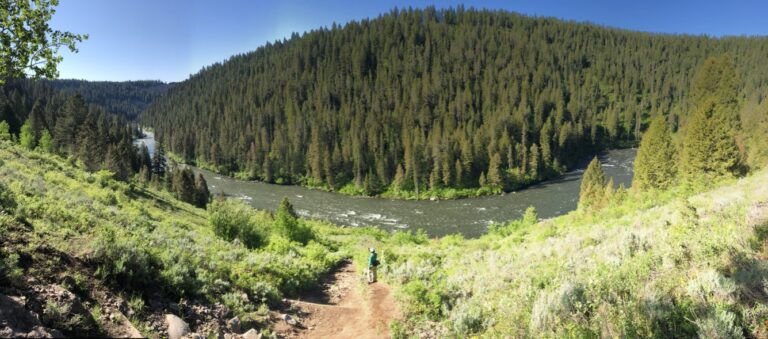
Mountain view

Spend Time with People Who Make It Worth It

I’ve fallen in love with the scenery that the West has to offer. I love the rivers, the mountains, the big sky, and everything in between. But as my internship winds down, I can’t help but notice the time I’ve spent around great company. I’ve learned that it’s not all about where you are, but who you’re with—and who you choose to spend your time around.

Connecting back to the first lesson, I’ve made so many meaningful connections this summer that have made my time out West one to remember. Swan Valley is small, but not once did I ever feel alone. Thank you to all who made this possible for me.

South Fork Initiative vendor tent
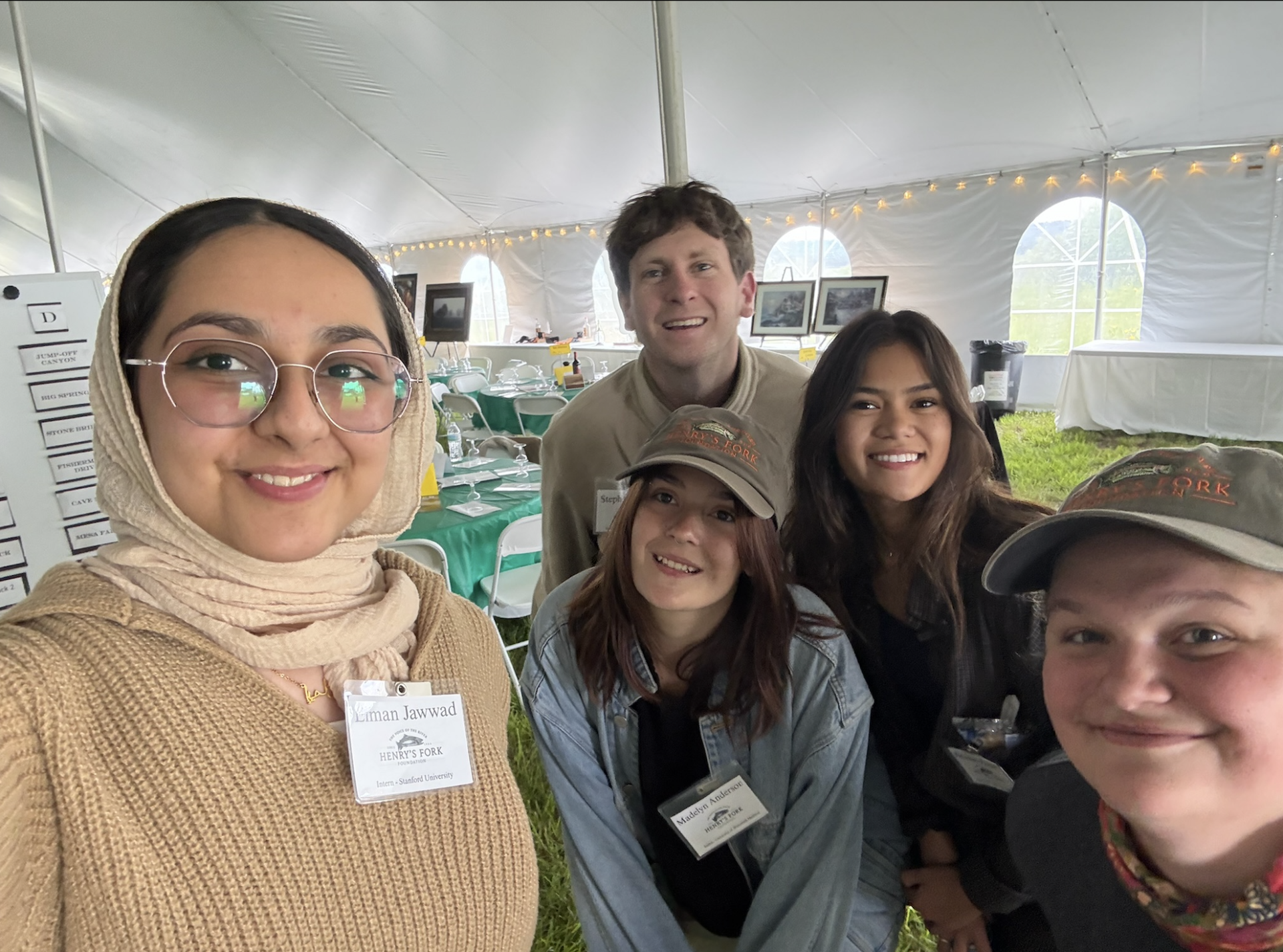
Group photo from conference
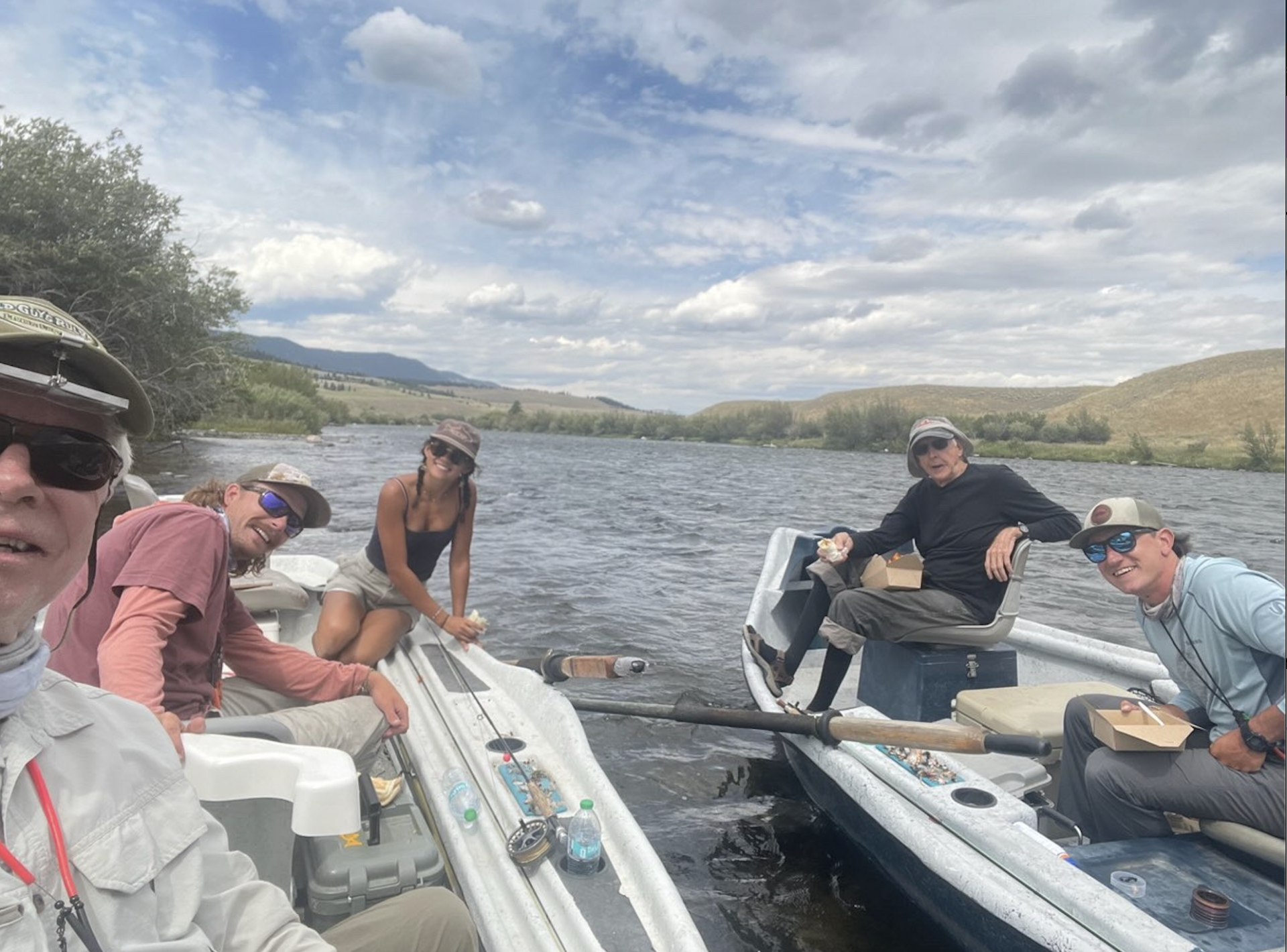
Group of people on the river
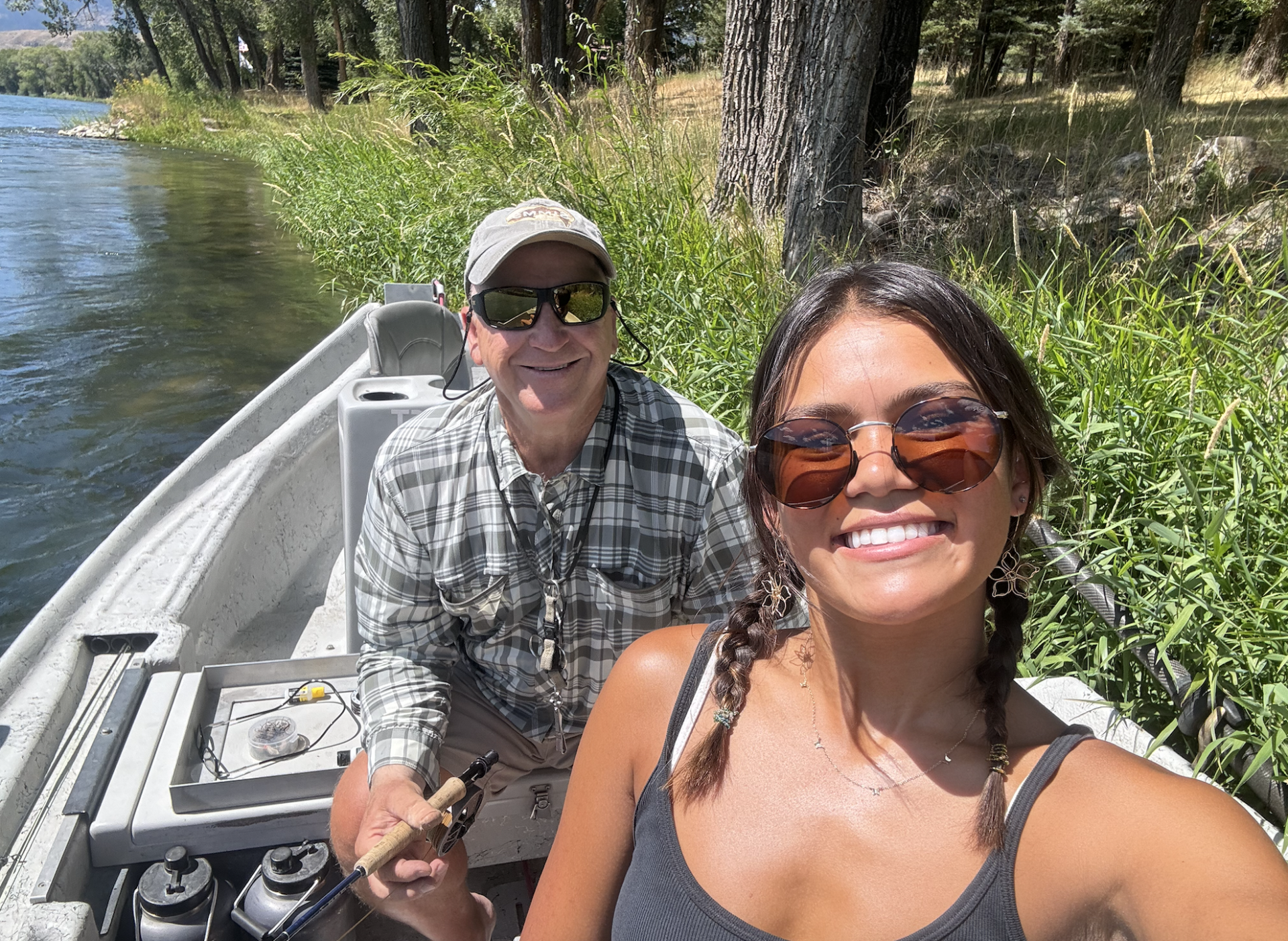
2 people in a boat on the river

Soon, I’ll begin my sophomore year at St. Lawrence University, where I’ll continue to pursue an Environmental Studies and Business double major. What’s in store for me next summer? I have no idea. But until then, time will continue to fly.

Facebook
LinkedIn
Pinterest

Recent Posts

Person holding a rainbow trout.
Research and Monitoring
Rob Van Kirk

Water Year 2025: Everything you wanted to know and a lot more!

Every year since 2017, the Henry’s Fork Foundation Science and Technology Team has produced an annual technical report that documents all of our data collection and analysis activities for the year. Water and irrigation year 2025 was a very active year for the team, given one of the hottest and driest summers on record, our 11th year of aquatic invertebrate sampling, and the 20th year of monitoring the rainbow trout spawning run in the Buffalo

Read More »
Water Supply
Otto Lang

Monitoring the Upper Snake Snowpack: Updates from the Field

Hello! My name is Otto Lang, and I am a postdoctoral researcher with Boise State University and the Henry’s Fork Foundation. I’m working alongside Rob Van Kirk at the HFF, Lejo Flores, Professor in Geosciences at Boise State University, and Sarah Newcomb at Trout Unlimited. Together, we are in the midst of a two-year WaterSMART project funded by the U.S. Bureau of Reclamation to improve predictions of snow water supply across the Upper Snake River

Read More »
2 people in gear taking water samples
Research and Monitoring
Rob Van Kirk

Henry’s Fork Aquatic Invertebrate Trends, 2015-2025

To address angler concerns about decreased hatches, particularly at Last Chance and the upper Ranch, and holistically assess ecological function throughout the mainstem Henry’s Fork, we implemented a statistically rigorous, quantitative study of aquatic invertebrates in 2015. This followed implementation of a watershed-wide water-quality monitoring program in 2014 and prompted subsequent expansion of stream gaging. After our 11th year of sampling in 2025, we had a set of 56 independent observations of macroinvertebrates collected at

Read More »
Aquatic Insects
Rob Van Kirk

Fish of the Month: Year 11

As it is the afternoon of December 31, I am closing the year with my annual fish-of-the-month blog, this one at the end of my 11th year of catching a fish in my home waters in each month of the year. To spare you the math, that’s 132 consecutive months of catching a wild trout or whitefish (and in some years I’ve fair-caught suckers and shiners, too) within a three-hour drive of my home in

Read More »