Q&A: Are We Seeing Fewer Bugs?

Home » Blog » Q&A: Are We Seeing Fewer Bugs?

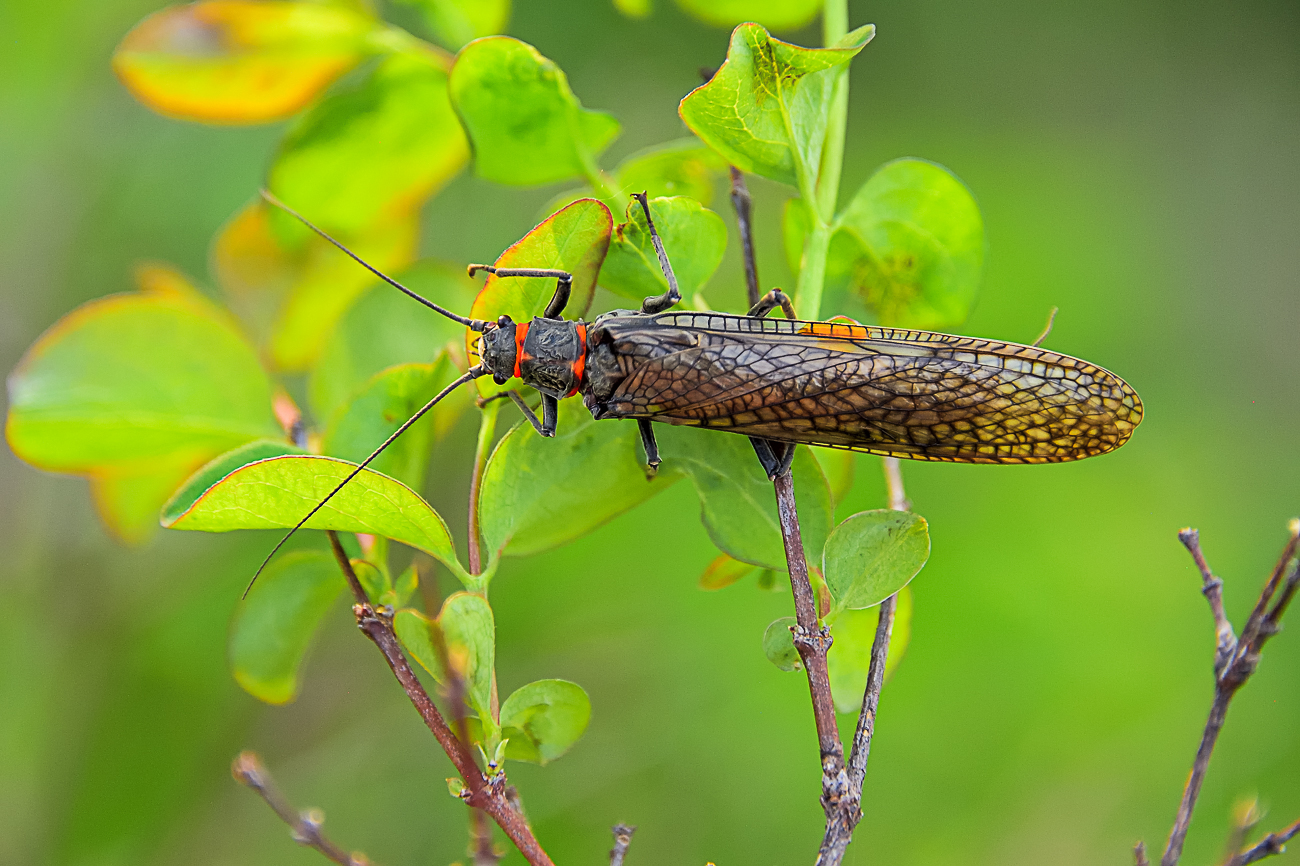
Are aquatic insects actually declining? 

Not in the way many anglers might think. After 11 years of data collected across six sites on the Henry’s Fork, we’re seeing that overall invertebrate communities remain abundant, diverse, and comparable—or better—than other top western trout streams. In fact, key indicators show improving water quality and habitat conditions over time.


So why do hatches sometimes feel worse—especially at Last Chance?

The short answer: it’s not just about insect numbers. While Pale Morning Dun (PMD) abundance has declined, broader metrics like diversity and sensitive species (mayflies, stoneflies, caddis) have improved. What anglers are experiencing is likely driven more by factors like warmer water, increased turbidity, changes in emergence timing, and lower trout numbers—all of which affect how fish feed and how hatches show up on the water.


What does this mean for fishing going forward?

The river is still producing strong insect communities, but timing and conditions matter more than ever. Warmer temperatures are shifting hatch timing earlier, and early runoff is increasing turbidity sooner in the season—compressing that classic “goldilocks” dry-fly window. Success may depend more on timing, flows, weather, and river clarity than on long-term declines in the food base.

But, because learning is never done, HFF is also launching a cutting-edge environmental DNA (eDNA) study—to track the timing and strength of PMD hatches and better understand what Mountain Whitefish can tell us about river health.


Learn more or dive into the data here.

Facebook
LinkedIn
Pinterest

Recent Posts

Intern
Audrey Hunter

My Last (?) Time Fly Fishing

  I know my last blog post left you on the edge of your seat. Today I’m going to answer the question that has doubtlessly been on everyone’s minds: did I catch a fish?   Let me tell you, it was getting down to the wire. I’d been out many times with the incredibly patient Claude, to no avail. Not even a bite. Claude’s patience was really commendable as I stubbornly, astoundingly refused to improve.

Read More »
Intern
Kate Shiffler

The ABC’s of a Summer Internship

As my time here at the foundation wraps up, I have been doing a lot of reflection. As such, I have concluded that the amount you can learn in one summer internship is unrivaled. It can range from scientific technical skills to office interpersonal skills, and anywhere in between. Some things are self-explanatory, and some are learned through trial and error. This range is what makes internships so valuable.   I’ve compiled a list of the

Read More »
Fishing
Tate Sargeant

How to Train Your Aquatic Vertebrate

Putting in the hours. Credit: Estelle Edwards Fish are omnipresent. Whether Claude’s talking about his latest catch, an angler is asking me what fly to use (I don’t know), or I’m taking Utah suckers out of gillnets, I am drowning in fish… but I have never caught one. I have yet to be blessed with a bite on a Parachute Adams, Zebra Midge, or Montreal Whore, but thanks to fishing-adjacent research experiences, I’ve gotten a

Read More »
General
Claude Morris

A New Way of Fishing

I grew up fishing on the North Carolina coast. From flounder and speckled trout (not actually in the trout family) deep in the creeks to Spanish mackerel and bull redfish right off the beach, all the way out to what feels like the middle of the ocean trolling for king mackerel and cobia, I loved the wide variety of fish. One sunny July morning a few summers back, my dad and I headed offshore in

Read More »