
HFF Launches ‘The DIRTT Plan’

Home » Blog » HFF Launches ‘The DIRTT Plan’
DIRTT

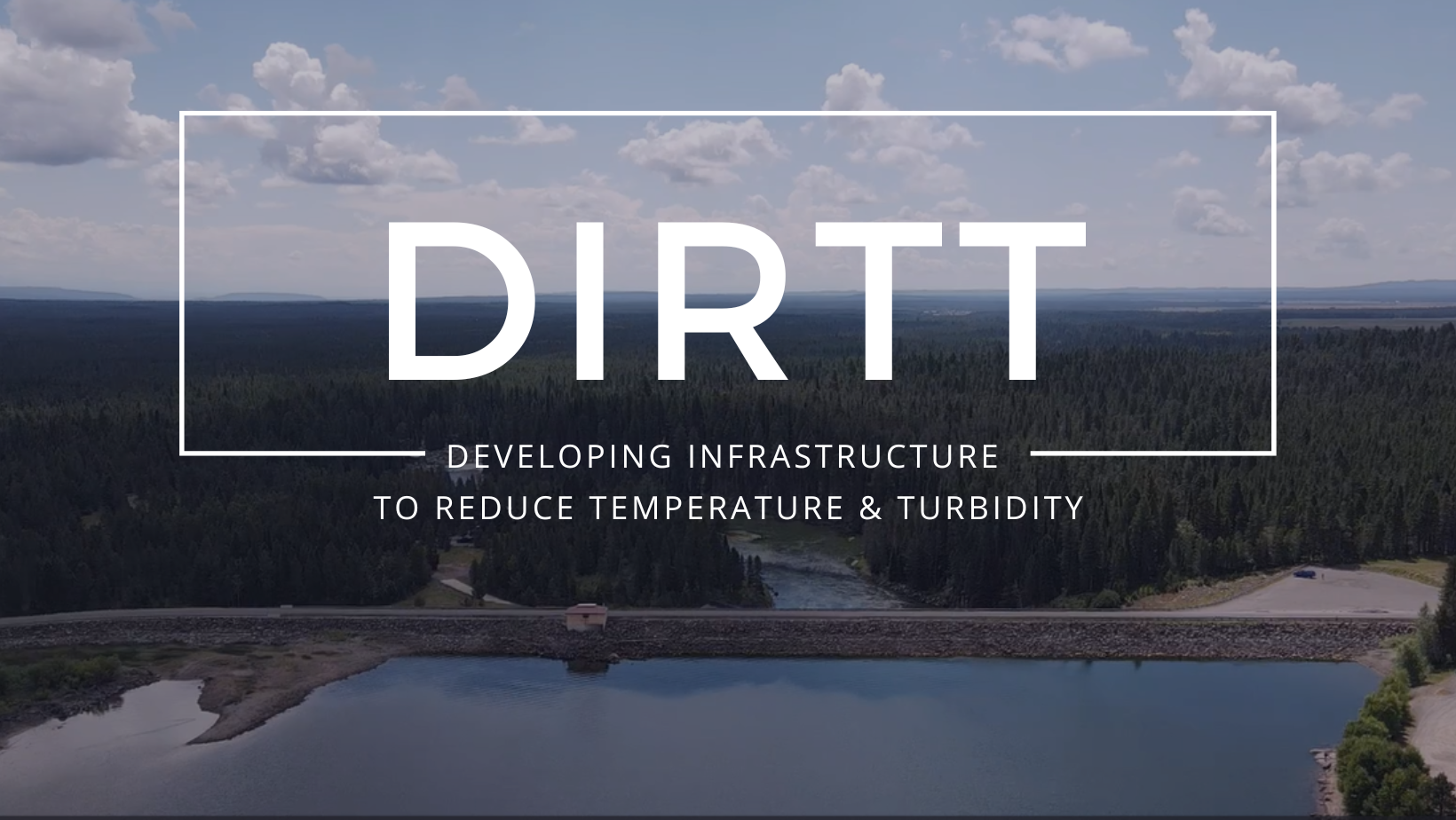
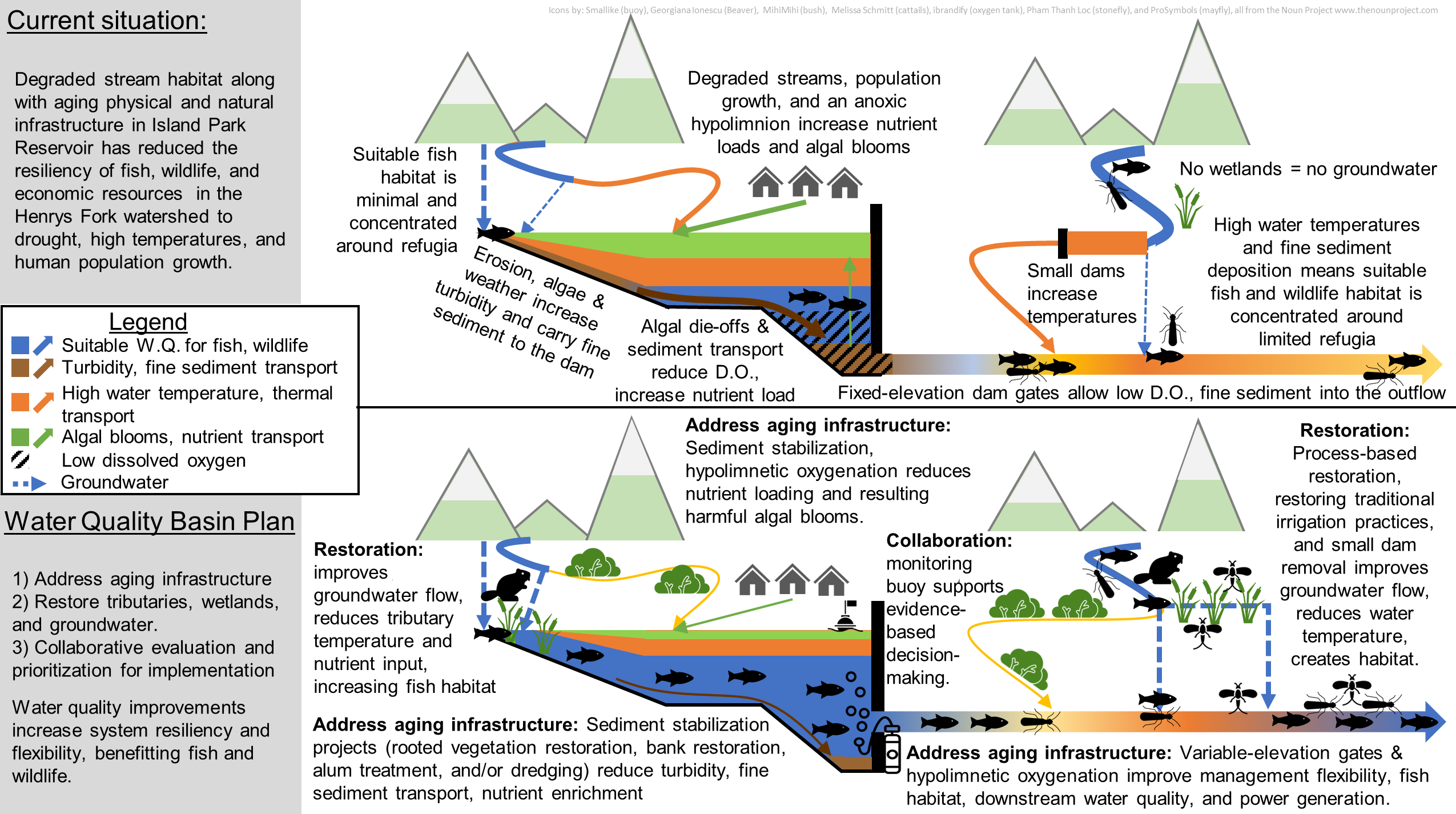
DIRTT, or Developing Infrastructure to Reduce Temperature and Turbidity, is the newest initiative launched by the Henry’s Fork Foundation to improve conditions both in Island Park Reservoir, and the river downstream, including the famed Railroad Ranch.

HFF is currently raising funds for this multi-year effort, including by applying for approximately $1 million from the US Bureau of Reclamation’s WaterSMART grant program. The DIRTT plan aims to 1) improve water temperature and turbidity (water quality), 2) build resilience for the river to drought, changing climate, aging infrastructure, and development/growth, and 3) protect fish, wildlife, and habitat, as well as the jobs and local economy that depends on them.

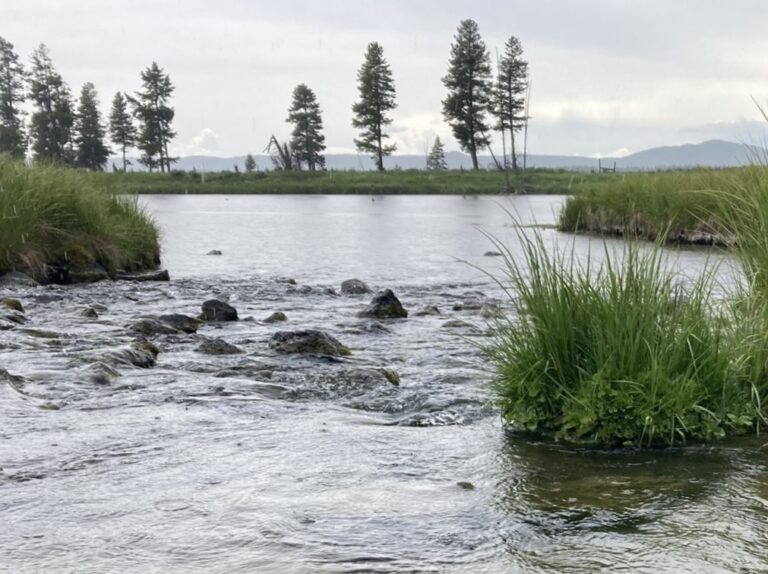
The plan will develop designs that address aging facilities with large-scale engineering and infrastructure in the reservoir. These man-made solutions could be impactful, but HFF is also pursing nature-based solutions, including restoration of tributaries, wetlands, and aquifers.

Once implemented, benefits would include reduced turbidity and sediment export into the Henry’s Fork downstream and increased cold, oxygenated refuge for trout. As with any critical project in the Henry’s Fork Watershed, partnerships will help to make it happen. HFF would be working closely with Idaho Department of Fish and Game and many other partners to make the DIRTT Plan a success.

Click here to read more about the DIRTT Plan.

Facebook
LinkedIn
Pinterest

Recent Posts

Water Quality
Christina Morrisett

River Temperatures on the Railroad Ranch

Anglers have expressed a growing concern regarding river temperatures as the Henry’s Fork flows through Harriman State Park, from Last Chance downstream to Pinehaven. Indeed, water temperature plays a pivotal role in the unique angling experience that is characteristic of the Henry’s Fork. Macroinvertebrate diversity, abundance, and size at hatch are influenced by the temperature of the water. Likewise, wild trout have a temperature threshold that can impact growth and activity. With the increasing impacts
Read More »
Fisheries
Christina Morrisett

HFF Monitors Kokanee Spawning Runs for Second Year

Kokanee, the landlocked form of sockeye salmon, have been stocked in Island Park Reservoir since the 1940s. Through a combination of stocking and wild recruitment, kokanee salmon populations have become an important component of the Upper Henry’s Fork ecosystem and social fabric. Historically, kokanee turn the river red during their fall spawning migration out of the reservoir and upstream through Mack’s Inn to tributaries like Moose Creek, Henry’s Lake Outlet, and others. Here, kokanee offer

Read More »
Research and Monitoring
Jamie Powell

A New View Beneath the Surface

New monitoring technology brings a clearer picture of Island Park Reservoir—and new possibilities for the Henry’s Fork. It started with a massive crate in the Henry’s Fork Foundation parking lot. After a summer of troubleshooting, learning new technology, testing equipment, and plenty of problem-solving, HFF’s newest water-quality monitoring buoy made its way onto Island Park Reservoir in September. What may look like a simple piece of equipment floating on the water represents an exciting step

Read More »
Intern
Sam Pruitt

From River Bottoms to Mountaintops

For the first half of my internship, it was unclear if we would get to install the snow monitoring stations. With only three weeks left in my internship, the parts arrived, the permitting was approved, and I am happy to say that we have three stations in the ground! Dr. Lang, Joe, and I were like three kids on Christmas opening up all the boxes, only a little more careful due to the fragility of

Read More »