FAQ: IRRIGATION

Home » Blog » FAQ: IRRIGATION
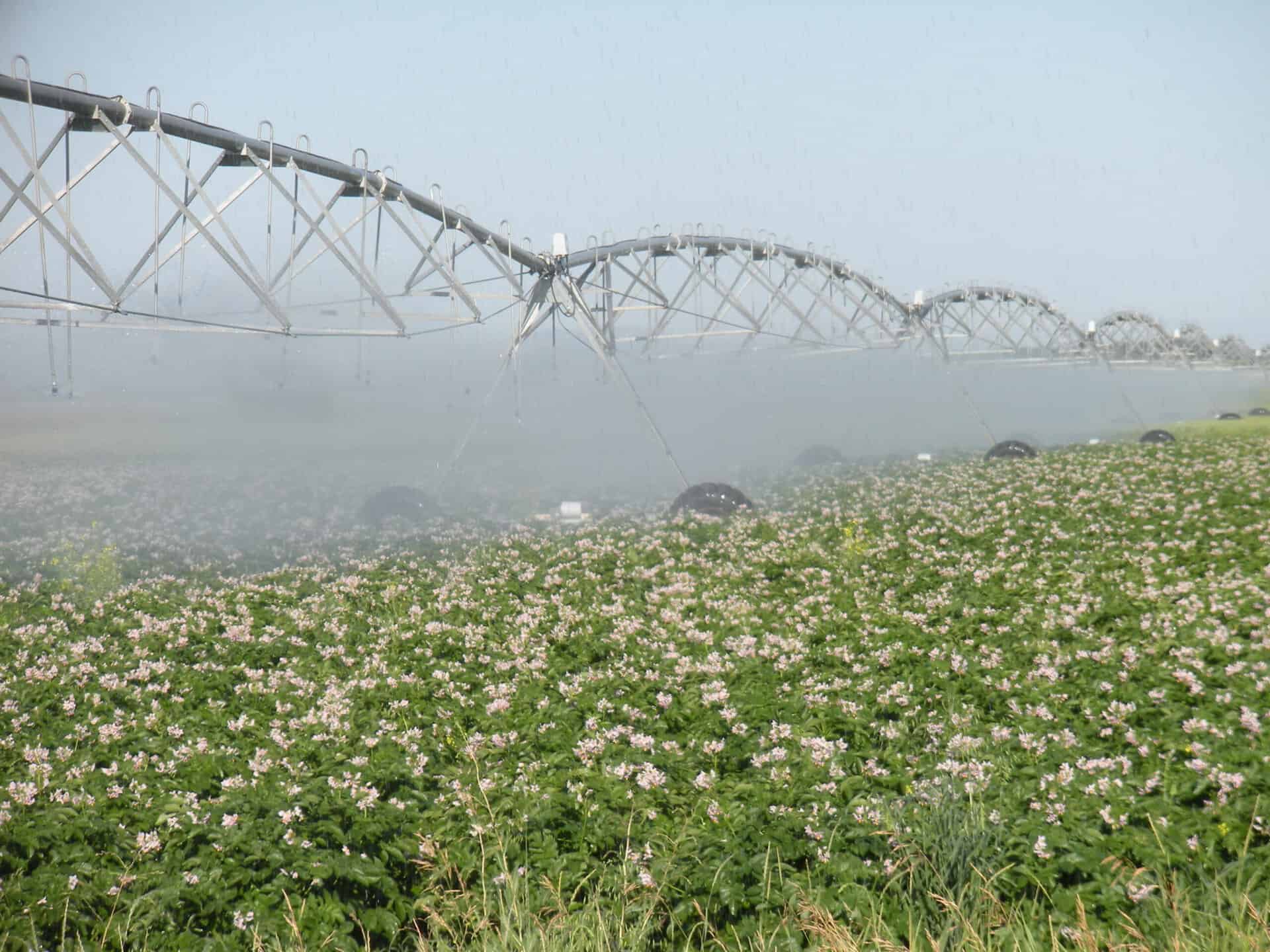
commercial sprinklers watering a field

Why do you sometimes see fields being irrigated (watered) while it is raining? Isn’t this a waste of valuable water?

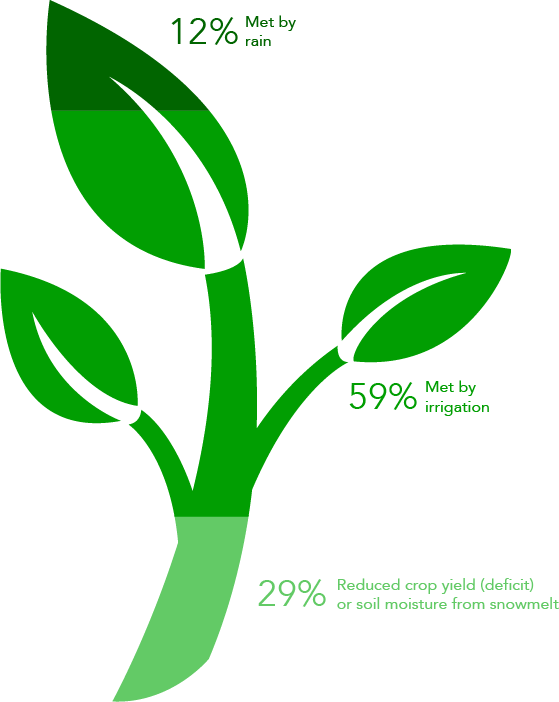
This question is definitely a valid concern that is often shared with us. There are a variety of factors that come into play when thinking about irrigation. The short answer is that farmers might irrigate while it is raining because only 12% of crop water needs are met by rain. Luckily, both rain and irrigation water are stored in the soil and can be used days later.

Let’s think about the amount of water a crop needs so that it can produce a successful yield. Out of the theoretical total amount of water a crop needs on average throughout the watershed (100%), 59% comes from irrigation and only 12% of the crop’s needs are actually met by rain during the growing season. The remainder comes from a combination of soil moisture obtained from snowmelt during the winter and reduced crop yield when water is not sufficient to meet the theoretical needs.

Here’s some things to consider:
  • A very small percentage of the irrigation needs of a crop are met by rainfall.
  • Irrigation is done over the entire season with the entire crop yield in mind. Farmers account for precipitation when determining the full season water needs of the crop.
  • From a logistical perspective, changes made to the outflow of water in the system take a long time to make (often days or longer). By the time the change is made, the rain would have already long stopped, and the crops would still need to be watered.
  • Some areas may have soil with good drainage or poor drainage, meaning that even after a rainstorm the soil remains dry at various soil depths where plant roots need water. In this case, irrigation is often required to ensure that the plants receive enough water to grow.
  • Different crops have varying water requirements, and their optimal growth conditions will not align with the rainstorm patterns. Certain crops might need specific amounts of water at different stages of their growth cycle.
The good news:

Any water used on a crop while it is raining is not a waste of water. Both rain and irrigation water are stored in the soil and available to plants days later. If the rain is higher than expected on a given day, less irrigation is needed the following week.

If irrigation occurs when it is raining, is it taking more water away from fish than needs to be taken?

The Drought Planning Management Committee has streamflow targets in place to ensure that there is enough water available in the river for fish habitat during the irrigation season, no matter how much is being diverted (taken out) for irrigation, and these targets were created in partnership with the Henry’s Fork Foundation.

How it works:

The only reaches of the Henry’s Fork where fish populations are impacted by water supply are:

1. Trout and Kokanee populations upstream of IPR – dependent on the amount of water that stays in the reservoir all summer

2. Trout populations between IP Dam and Riverside – limited by available winter habitat, which depends on outflow from the dam

3. Trout populations downstream of St. Anthony – habitat limited by mid-summer low streamflow and high water temperatures

What HFF is doing to provide more and cooler water for fish:

1. Keep more water in Island Park Reservoir via water conservation

2. Develop managed aquifer recharge strategies that can increase inflow of cool groundwater to streams and reservoirs

3. Increase precision in water management via daily data sharing and collaboration

Facebook
LinkedIn
Pinterest

Recent Posts

Intern
Tate Sargeant

The Summer I Turned Crispy

Unfortunately, I am a child. I graduated from high school an entire month ago. I was a Senior, with all the absolute power and respect that the rank endows, and now, I am an intern. If I were on a totem pole, I’d be in the dirt. Luckily, there is no real totem pole. Instead, there is an office full of wonderful and supportive people, specifically my mentor, Joe. Despite my inexperience and academic infancy,

Read More »
Intern
Claude Morris

The Story Behind the Data

As an undergraduate studying economics and environmental studies, I have done my fair share of data analysis and modeling. I applied to work at the Henry’s Fork Foundation this summer to experience the other side of research; the groundwork and data collection. My econometrics professor would always reiterate to our class that when we are modeling data, we are taking numbers (data) and eliciting their story. If modeling data is telling a story with numbers, then data collection must be like raising the numbers from the dead and giving

Read More »
Water Quality
Christina Morrisett

July 2026 Water Quality Forecast for Island Park

In early April, when ice melted off Island Park Reservoir one month earlier than usual, scientists at the Henry’s Fork Foundation (HFF) predicted an early onset of poor water quality conditions in Island Park Reservoir and the Henry’s Fork downstream. Warm air temperatures, low streamflow into the reservoir, and longer days with more sunlight are a recipe for algae blooms, the primary culprit of turbid water in Island Park. But we arrived at the end

Read More »
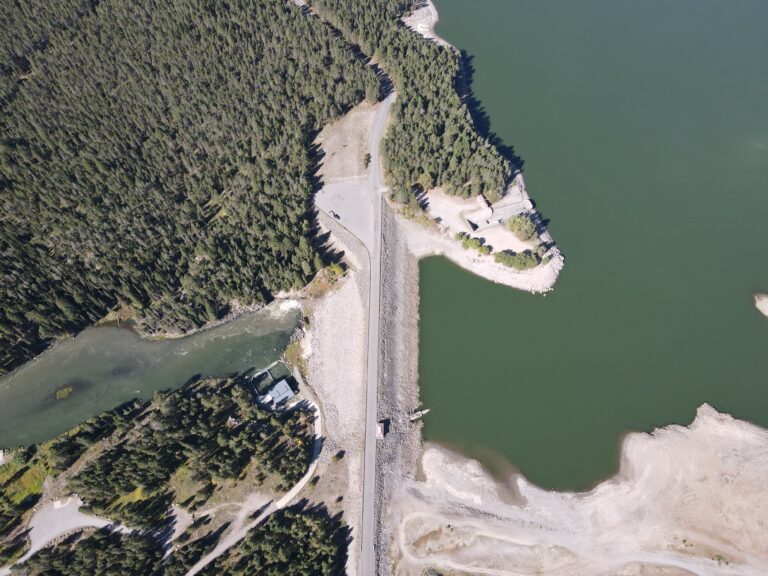
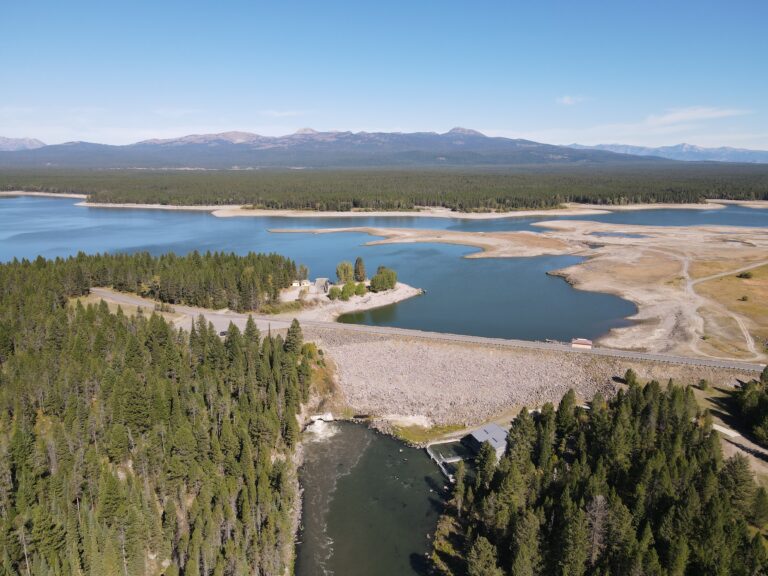
An aerial view of Island Park Dam. The reservoir sits behind it and the river flows below it.
Water Quality
Christina Morrisett

Summer 2026 Water Quality Forecast for Island Park

This article was originally published in Island Park News on May 29, 2026 Ice melted on Island Park Reservoir on March 31, 2026—four weeks earlier than normal and the earliest the Henry’s Fork Foundation (HFF) has observed in 12 years of monitoring. Such an early ice melt was not unexpected given the region’s near-record warm and dry winter. But ice melting a month early has implications for water quality in Island Park Reservoir and the

Read More »