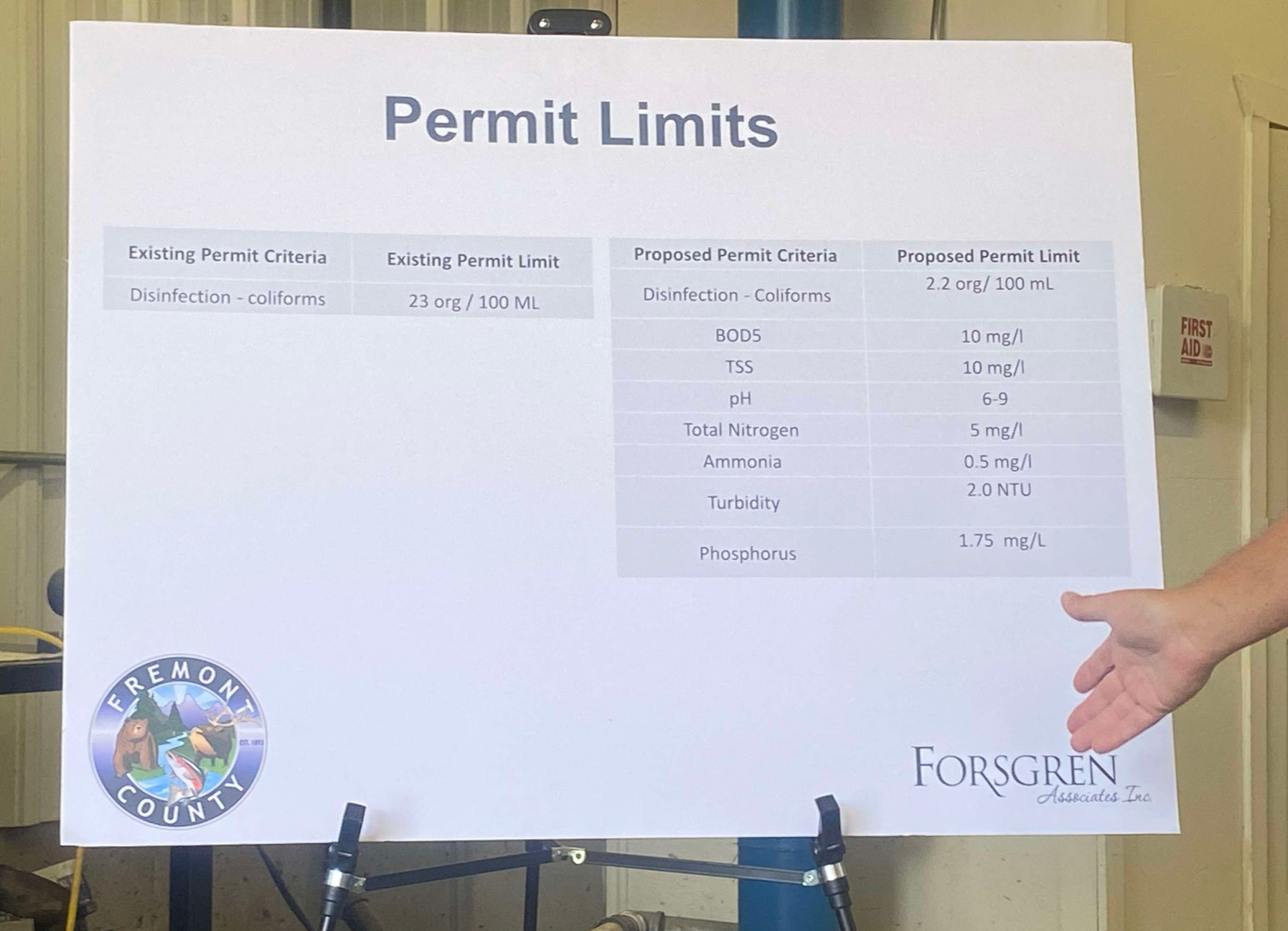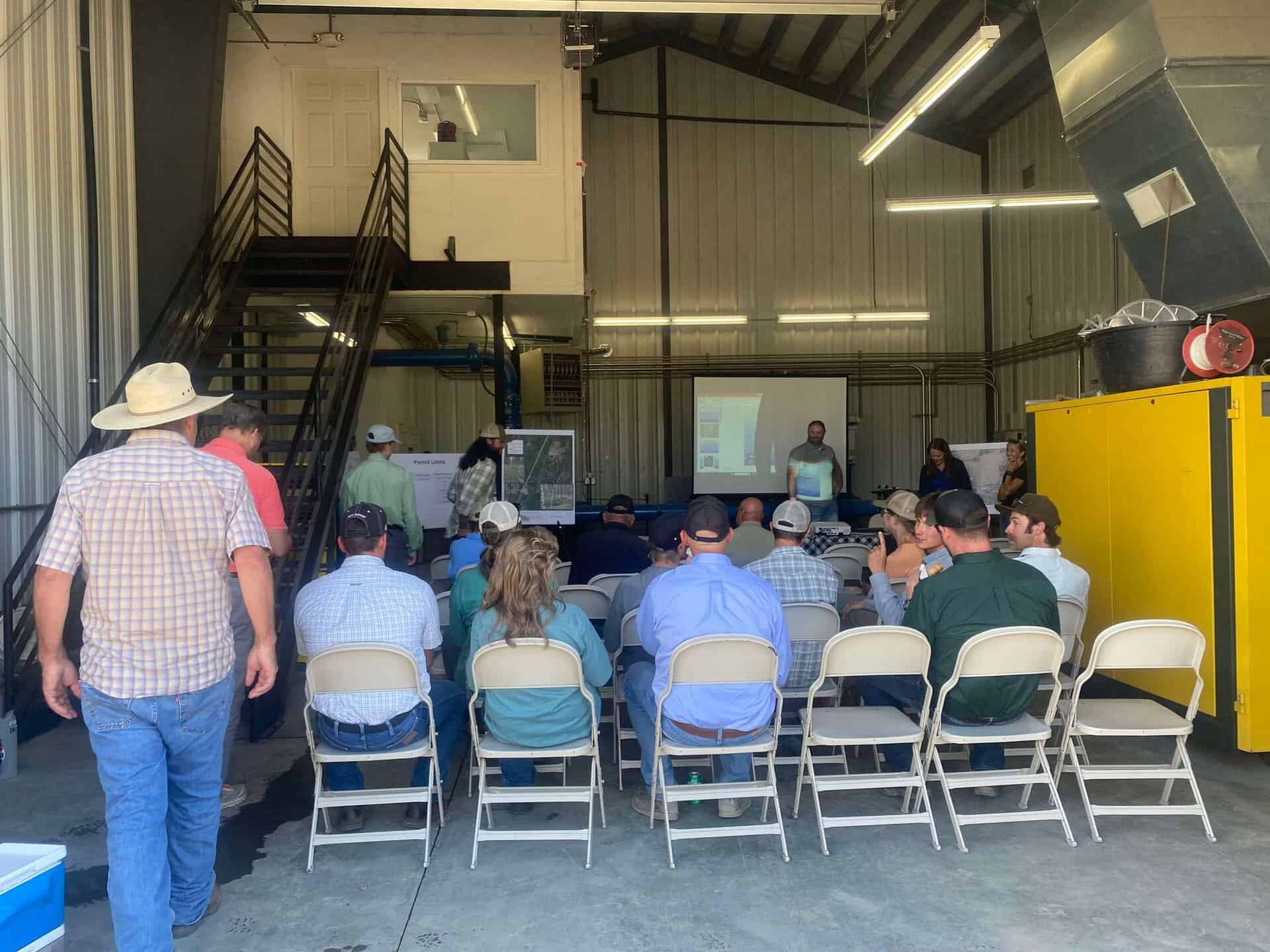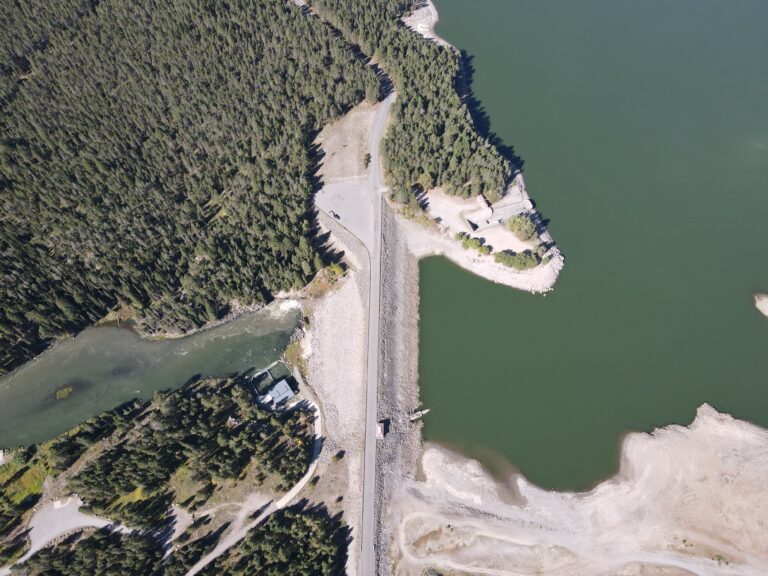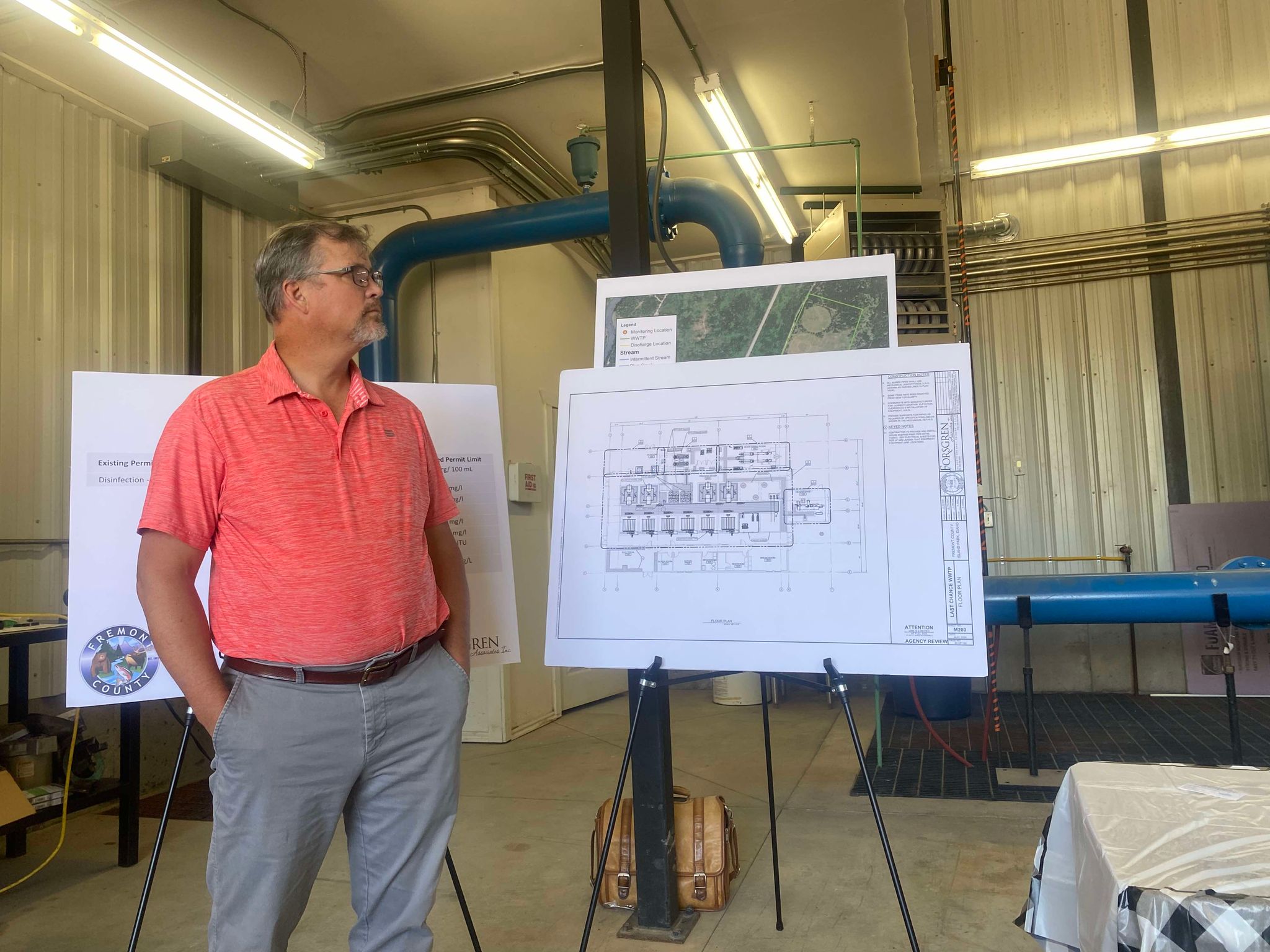
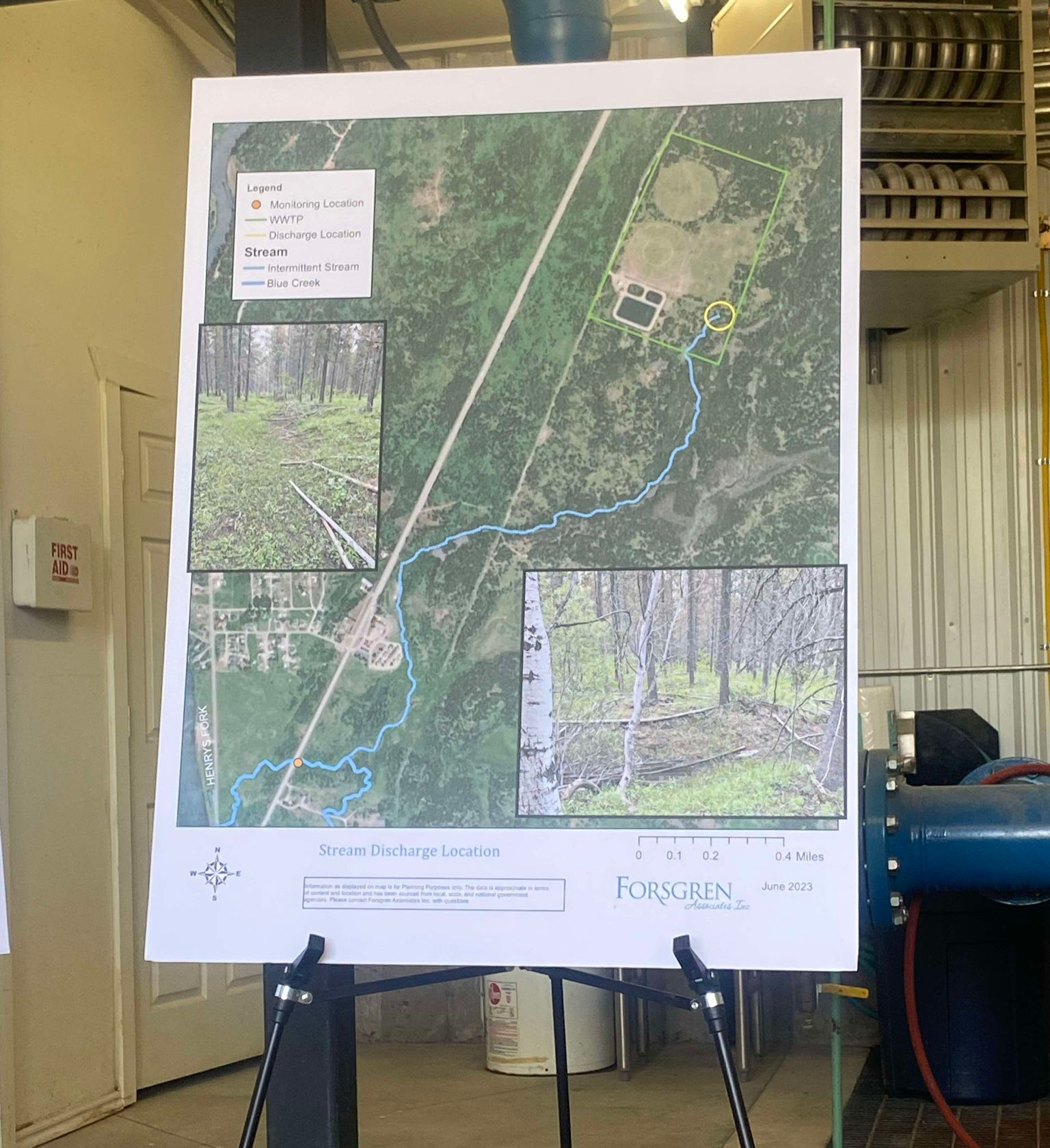
Fremont County operates a wastewater treatment facility (WWTP) on Forest Service ground in Last Chance. With the continued growth of Island Park, the WWTP already operating in excess of wintertime limits, and the Henry’s Fork seeing increased concentrations of phosphorus and nitrogen, it’s time to start making moves on an upgrade. That’s why, at a recent Henry’s Fork Watershed Council tour, Fremont County, the City of Island Park, and Forsgren Associates shared plans for an upgrade with tour participants.
Background
The WWTP is a land-application facility wherein treated effluent is applied to land owned by the USFS as irrigation water. Effluent application rates are at or below the absorption capacity of brome grass and local soils, preventing the conveyance of nutrients and other pollutants to surface water or groundwater. Permits for WWTPs need to be renewed every 5 years and the Forest Service is no longer accepting new permits for treatment here, which prevents any expansion. Redesigning the Last Chance WWTP is necessary because the terms of the operating permit reduce the amount of allowable effluent application, particularly in winter when evapotranspiration is virtually zero. The Last Chance facility completed a facility planning study in 2020 to begin looking at upgrades.
The Last Chance WWTP is operating in excess of allowable wintertime land application and anticipates exceeding summertime limits in the next decade.
Impact on the Henry’s Fork
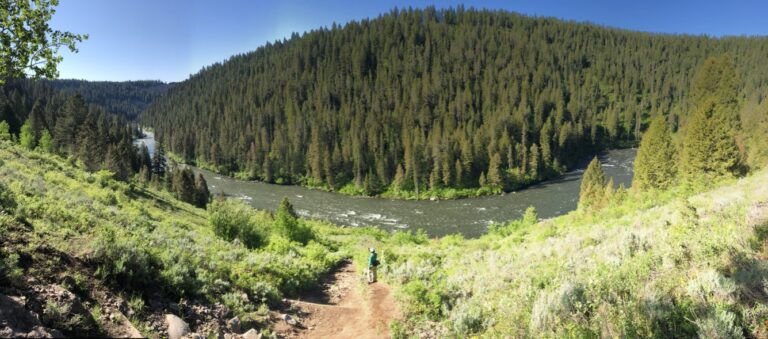
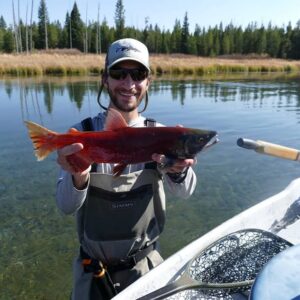
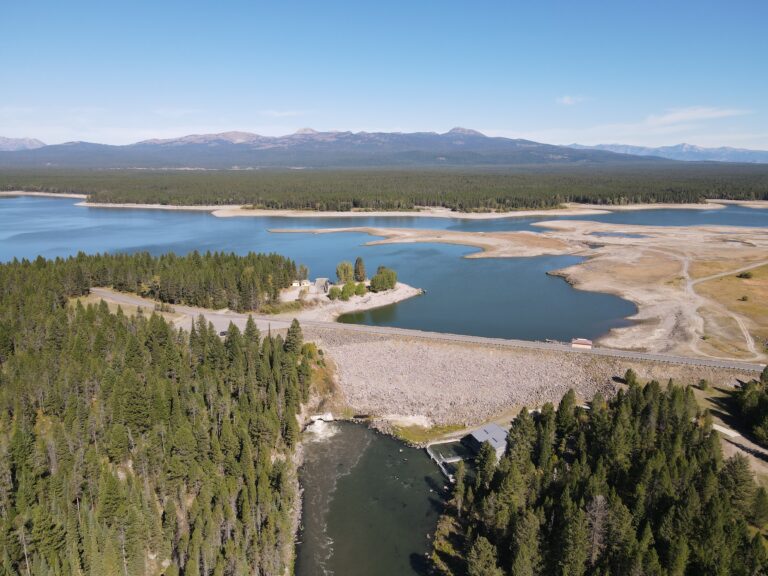
The Henrys Fork downstream of Island Park Reservoir is enriched in phosphorus and nitrogen, increasing concentration and load. Productivity increases can result in greater algal and submerged vegetation growth. Changes in plant growth have been demonstrated to affect fish habitat, the aquatic macroinvertebrate community, dissolved oxygen depletion, and the fishing experience in the Henrys Fork.
Enhanced productivity increases the chance of harmful algal blooms, oxygen deprivation, and irreversible changes to fish habitat and the aquatic insect (macroinvertebrate) community.
These changes pose serious threats to the vital recreational resources that support a $30 million economy and the very development that requires a new WWTP. Any surface discharge would contribute new phosphorus and nitrogen to the Henrys Fork.
Current Situation
The existing system involves aeration, clarification, and disinfection. In collaboration with the County, HFF ensured that the final design proposal incorporates advanced nutrient removal technologies (i.e., screening, grit removal, filtration, etc.) and a clear regulatory point of compliance for treated effluent discharge to address these ecological concerns. This improvement will help mitigate the risk of further nutrient enrichment in the river and protect the aquatic ecosystems.
The total cost of the upgrades is now estimated at $14 million. The project is on an ambitious timeline, with plans to secure IDEQ approval and sign a contractor by the end of 2024. If all goes according to schedule, the upgraded WWTP will be fully operational and discharging treated effluent by 2026.