For Ranch regulars, this is certainly the question of 2024 (and maybe 2023, 2022, and 2021). Here are a few factors playing in to the changing fishing experience on the Ranch.
1. The trout population (Island Park Dam to Pinehaven) is down this year.
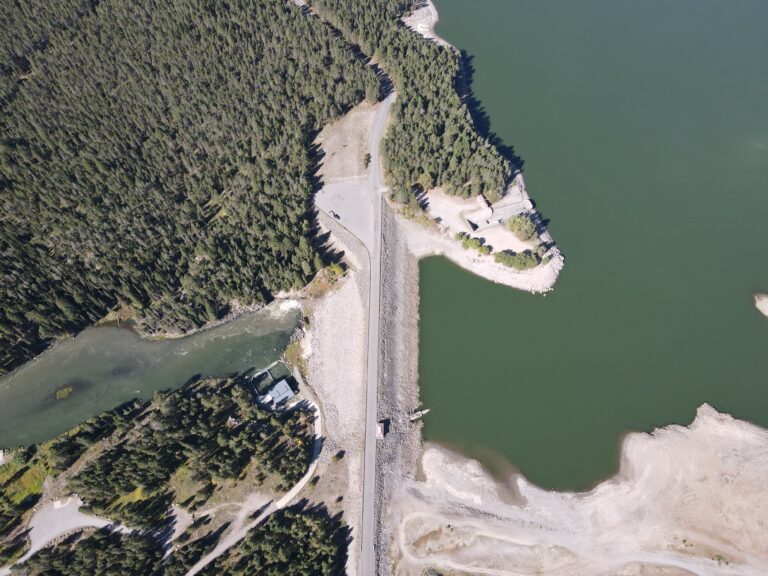
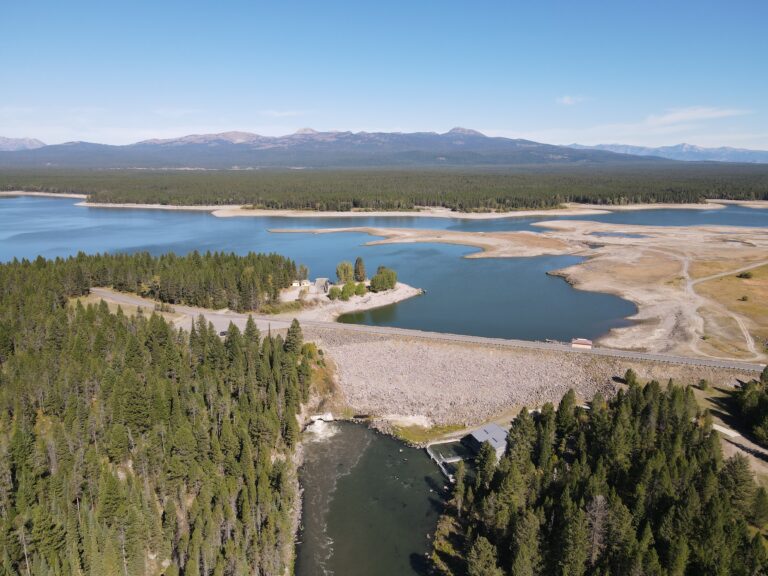
Why? The single factor limiting that population is outflow from Island Park Dam during the winter.
Winter flow was above average in 2020, average in 2021, below average in 2022 and 2023, and above average in 2024.
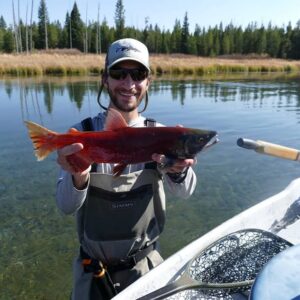
As a result, the two age classes that make up the bulk of the fish in the population—two and three year olds (9-18 inches)—are very low. That leaves us with a lot of 1-year olds (good news for 2025 and 2026) and a few really old fish (4-5 years old, 18+ inches). Overall, this has meant very few rising fish, even when the hatches are good, but when people do catch one, it’s likely to be 20 inches long.
Also, seasonally, these fish definitely move around in the reach to balance food availability and environmental conditions. Early in the season, we saw decent numbers of fish when and where there were good hatches, but by mid-July most had moved to cooler locations in the lower Ranch/Wood Rd 16 area.
Not to toot our own horn, but the fact is: as low as the population is, it would be 20% lower without HFF’s water conservation efforts.
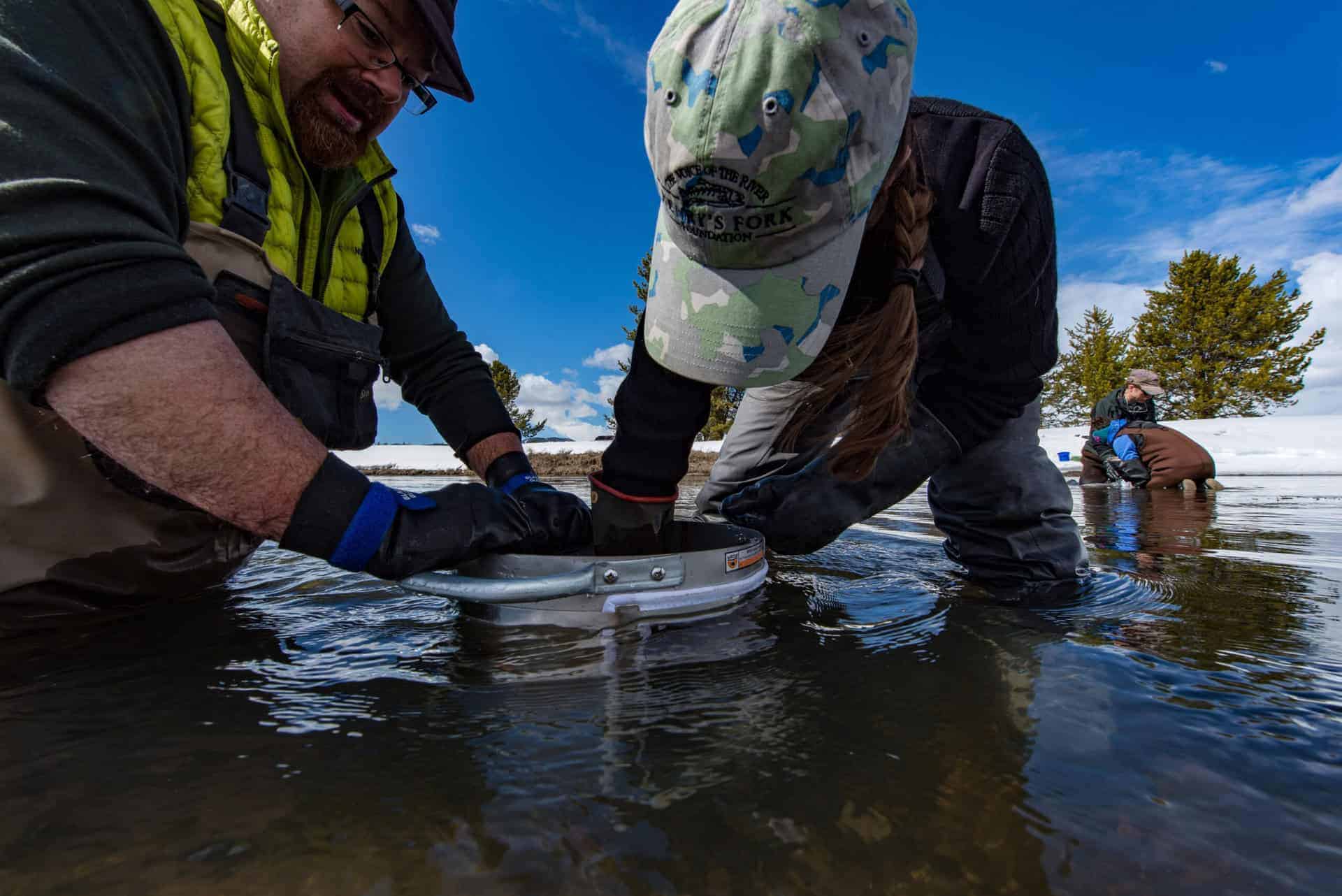
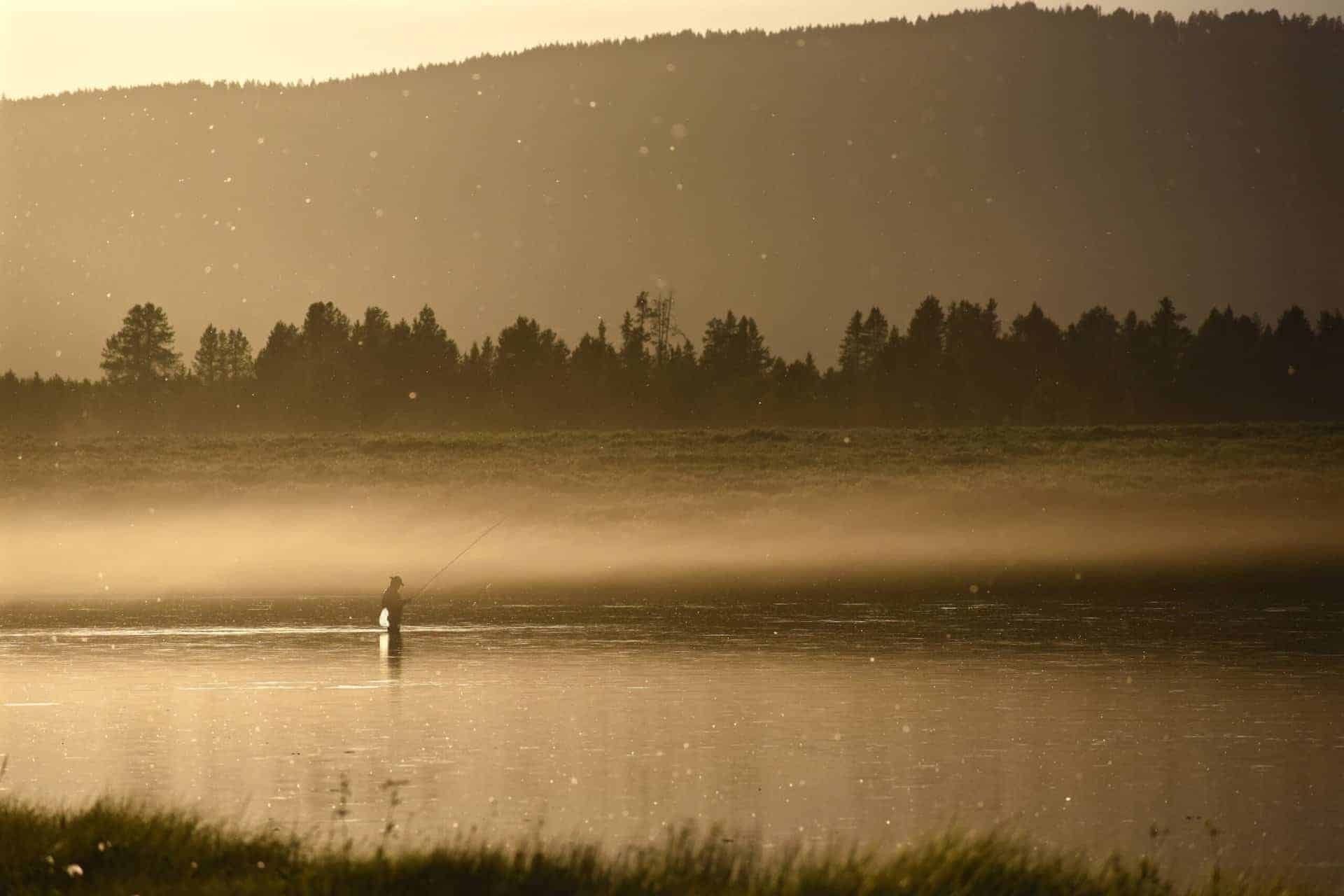
2. The number one thing to know about aquatic insects is that the underwater insect community we monitor every year in March is not the same thing as a “hatch.”
Analysis of the 2024 invertebrate data is in progress, but early highlights are that the insect community at Last Chance is the best it has ever been in our 10 years of sampling and even better than that at Flat Rock, which is usually the best in the watershed.
The two most important indicators of overall water quality and habitat conditions—percent mayflies, stoneflies, and caddisflies—and the Hilsenhoff Biotic Index were the best we’ve ever observed. The improvements relative to 2023 primarily came from fewer non-insects, and increases in Green Drakes, most of the stonefly species, and some caddis species that prefer clean gravel over fine sediment and organic matter. The number of caddisflies in the sample was the highest we’ve recorded in 10 years.
However, the number of PMDs was down from 2023, but the 2023 numbers were above the 10-year average and anglers still reported that the PMD hatch last year was the worst on record. Poor PMD hatches were reported again this year at PMD numbers that are less than half of what they were last year and about what they were in previous years (2019, for example). But in 2019, there weren’t the same reports of poor PMD hatches. Hatches don’t seem to be matching up with insect populations or the quality of insect habitat.
We’re still in the analysis phase, but the bottom line is very likely that changes in water temperatures (across the season, day-to-day, and within days) have changed aquatic insect life histories so that while the insects are there, they are not hatching at times of day, times of year, and locations on the river that we “expect” based on a 1970s-1990s baseline.
It’s definitely hard to reconcile that despite poor hatches the invertebrate community at Last Chance—and for that matter over the entire river—was the best this year as it has been in the 10 years we have been sampling. It shows us more and more than insects on the stream bottom are not the same as an angler’s “hatch.” HFF is continuing to dig into and study this data and these trends. We’re also collecting daily hatch observations to better track why hatches and insect communities aren’t “lining up”.
Much more on this from Dr. Rob Van Kirk and the science team, coming soon.
Help us collect more data by submitting your daily hatch observations at the link below.
Submit Your Hatch