

Mick & Mike Talk Henry’s Fork in the 1980s (VIDEO)

Home » Blog » Mick & Mike Talk Henry’s Fork in the 1980s (VIDEO)
man fly fishing

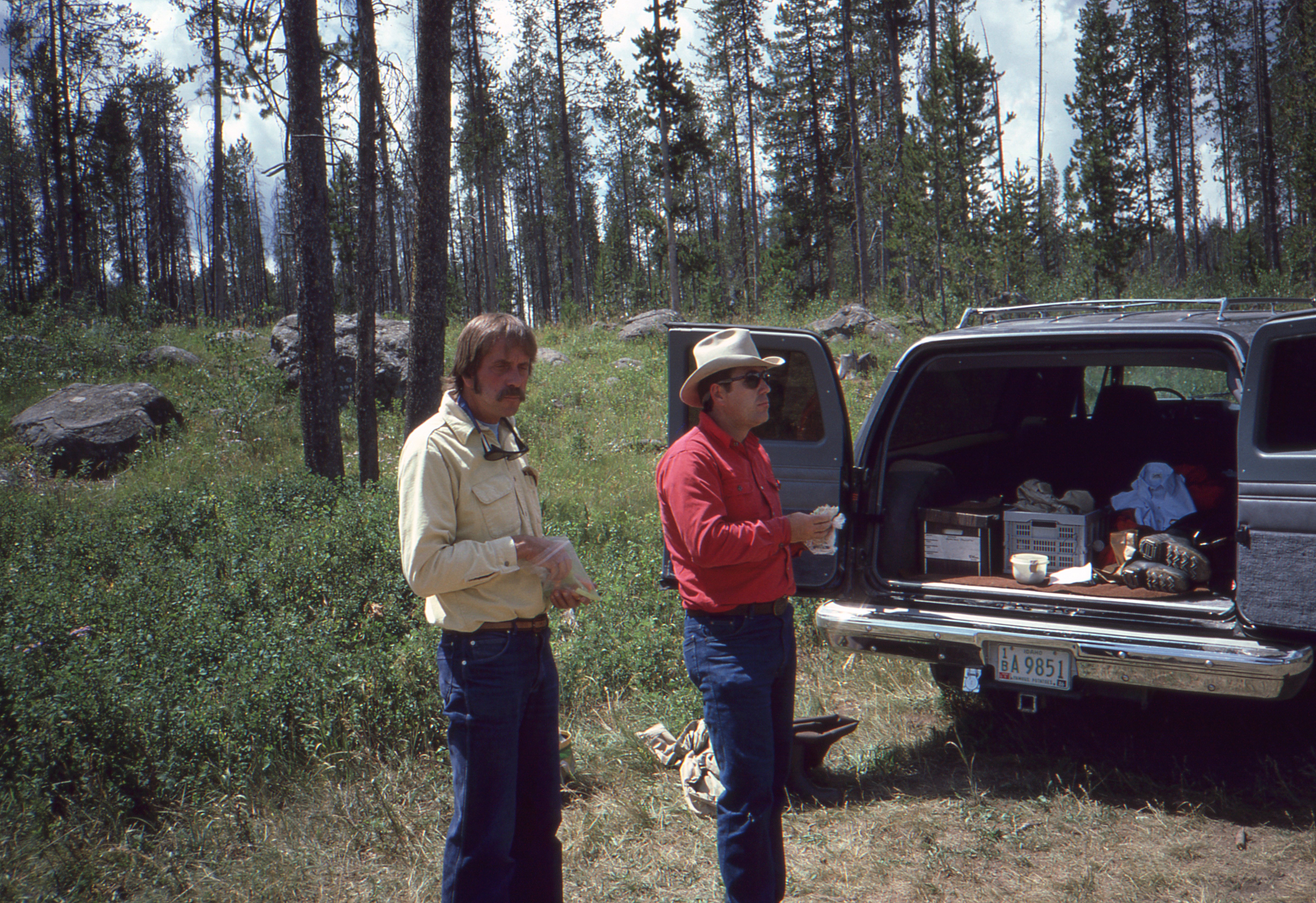
As part of HFF’s 40th Anniversary edition of the Summer Seminar Series, Dr. Rob Van Kirk sat down with founders Mick Mickelson and Mike Lawson in mid-June to ask about the 1980s and what prompted the formation of the Henry’s Fork Foundation in 1984.

Mike recalls floating senior Senator Jim McClure and his wife down the river to show them the beautiful resource that would be hurt if the multiple proposed hydro developments dewatered Mesa Falls. Mick also added that a $750k Forest Service appropriation to build the LogJam parking lot and restroom may have occurred shortly after Mrs. McClure needed to use the facilities during the visit, but none existed! Then there was the time Mike Lawson, a man from a town of 600 people, had to testify in front of Congress! As he’ll tell you, he felt like a fish out of water to say the least.

Plus, hydropower including Fall River Rural Electric and PacfiCorp, and Aquatic Resource Coordinator Matt Hively join the conversation to talk about how the sometimes challenging relationship between fish and hydro has developed and improved over the years.

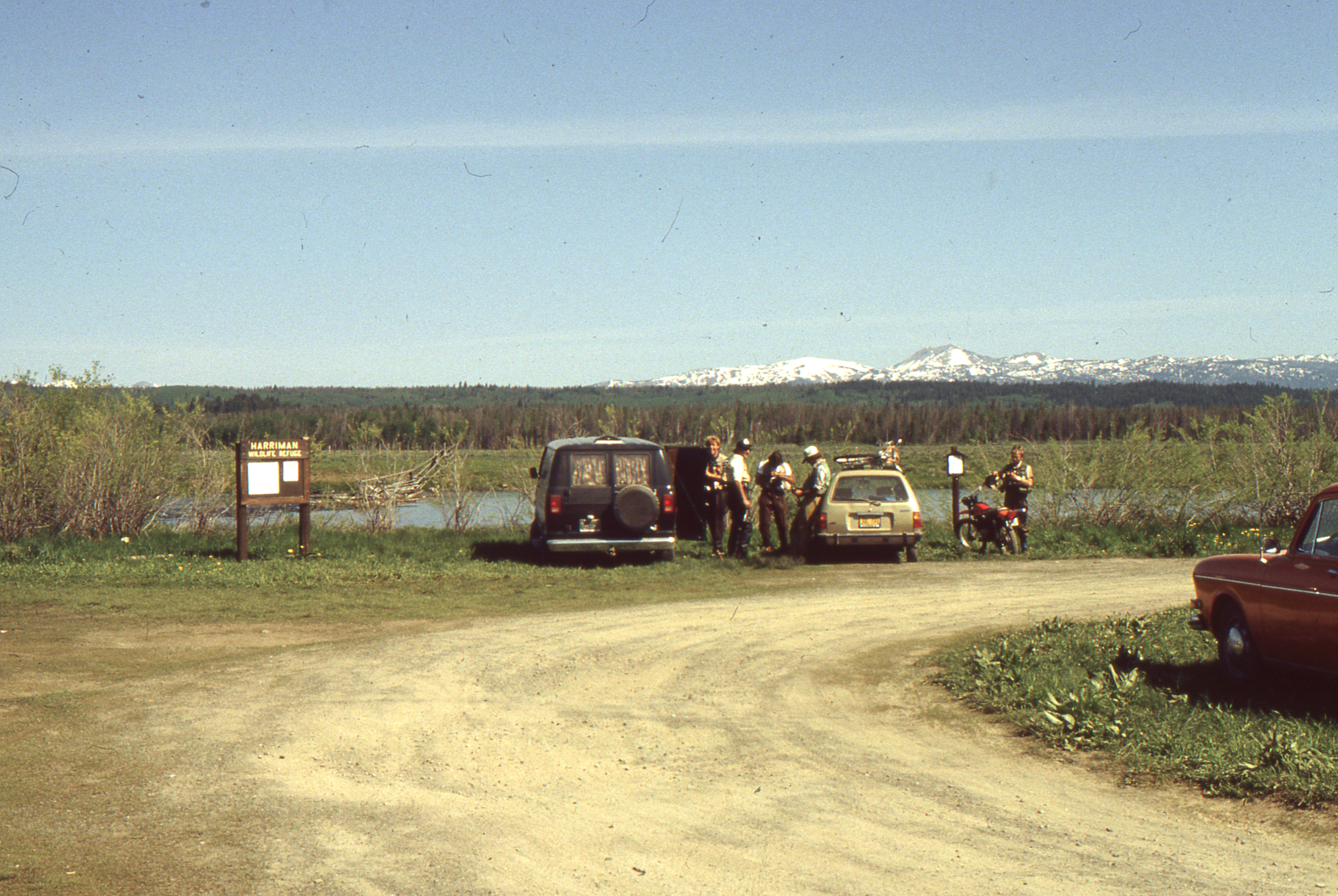
This, and many other great stories from the early days, made this a wonderful event on a sunny day in Harriman. If you missed it, you can watch the video by clicking below.

View Video

Facebook
LinkedIn
Pinterest

Recent Posts

An aerial view of Island Park Dam. The reservoir sits behind it and the river flows below it.
Water Quality
Christina Morrisett

Summer 2026 Water Quality Forecast for Island Park

This article was originally published in Island Park News on May 29, 2026 Ice melted on Island Park Reservoir on March 31, 2026—four weeks earlier than normal and the earliest the Henry’s Fork Foundation (HFF) has observed in 12 years of monitoring. Such an early ice melt was not unexpected given the region’s near-record warm and dry winter. But ice melting a month early has implications for water quality in Island Park Reservoir and the

Read More »
Aerial photo of Island Park Reservoir. The dam is in the bottom left corner. The Centennial Mountain Range is in the top.
Research and Monitoring
Christina Morrisett

History of Water Quality in Island Park Reservoir

Warmer and drier conditions have slowly degraded water quality in Island Park Reservoir over the last 50 years.  In the 1970s and 1980s, federal reports and university research indicate that the reservoir had relatively good water quality. Island Park Reservoir was mesotrophic—with mostly clear water and occasionally low dissolved oxygen at the reservoir’s deepest depths during the summertime. But, as time went on, water quality began to decline. Historical satellite imagery analyzed by the U.S.

Read More »
A photo taken of Island Park Reservoir while standing on the dam and looking north. The sky is cloudy, Mt Sawtelle sits with little snow in the background, and the reservoir is open water (save for a few small sheets of ice in the distance).
Water Quality
Christina Morrisett

Reservoir Ices Off, Growing Season Turns On

Photo of an ice-free Island Park Reservoir taken on March 31, 2026 On March 31, 2026, with no accompanying commentary, HFF scientist Christina Morrisett stood on top of Island Park Dam and texted colleagues Rob Van Kirk and Jack McLaren photos of open water on Island Park Reservoir. Rob, eager to see that the reservoir reality matched what he was seeing in the real-time river data downstream, texted back, “Yep! That’s close enough to ice

Read More »
Photo of confluence of Warm River and Henry's Fork
Water Quality
Rob Van Kirk

Water Supply and Water Quality Predictions for Summer 2026

The photo above captures the unprecedented situation we face at the beginning of April. The photo, of the confluence of Warm River and the Henry’s Fork, was taken on February 7 and shows the shocking lack of snow we experienced in the watershed all winter as a result of record-breaking warm temperatures. How will the warm winter and lack of snow affect water supply, water quantity, and fisheries? The highlights are below. If you want

Read More »