Rob Van Kirk

Fish Icon
Rob Van Kirk
infographs
Rob Van Kirk

Behind the Scenes of HFF’s Daily Water Report

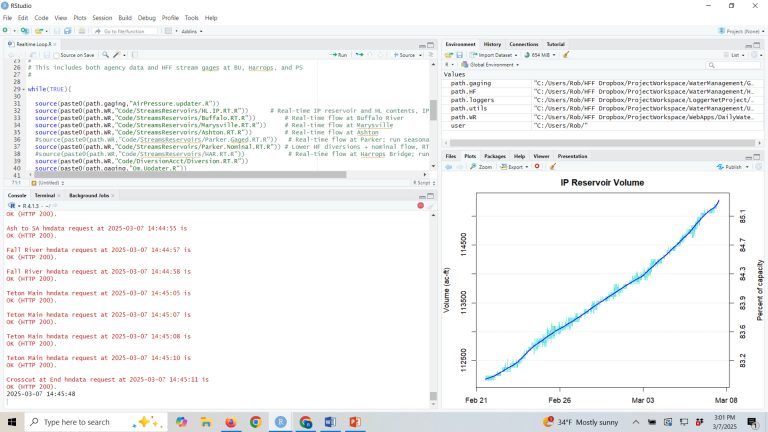
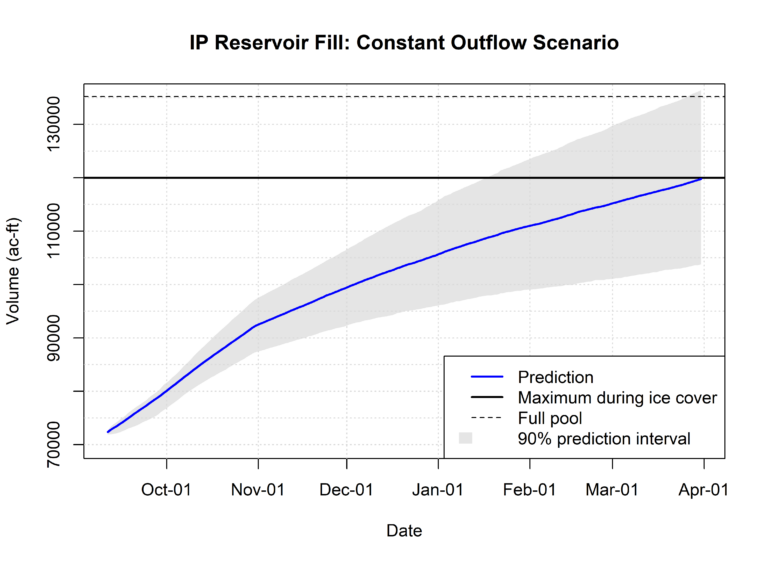
What is HFF’s Daily Water Report? After the severe drought of 2016, which resulted in what is still the poorest water quality we have recorded in 11 years of monitoring at Island Park Dam—as well as the lowest reservoir drawdown since 2007—HFF started laying the scientific foundation for what we would eventually call “precision water management.” In its first seven years, that collaborative program has decreased drawdown of Island Park Reservoir by an average of 23,941 ac-ft and increased winter flow by an average of 100 cfs. See blog posts summarizing water year 2024 and the winter of 2025. One of the centerpieces of the precision water management program is the daily water report, which I first issued to a small group of water managers and water users in early 2017. The daily email distribution list has grown to over 370 subscribers, which include water users, water managers, anglers, fishing outfitters and guides, local journalists, scientists, nonprofit colleagues, weather enthusiasts and others. What goes into the report? Every day, we run a set of computer code that automatically downloads and compiles around 220 pieces of daily climate and water data from a variety of sources, including our own stream gages.

Read More »
Snowy river
Rob Van Kirk

Island Park Winter Flow in 2025: How did we do?

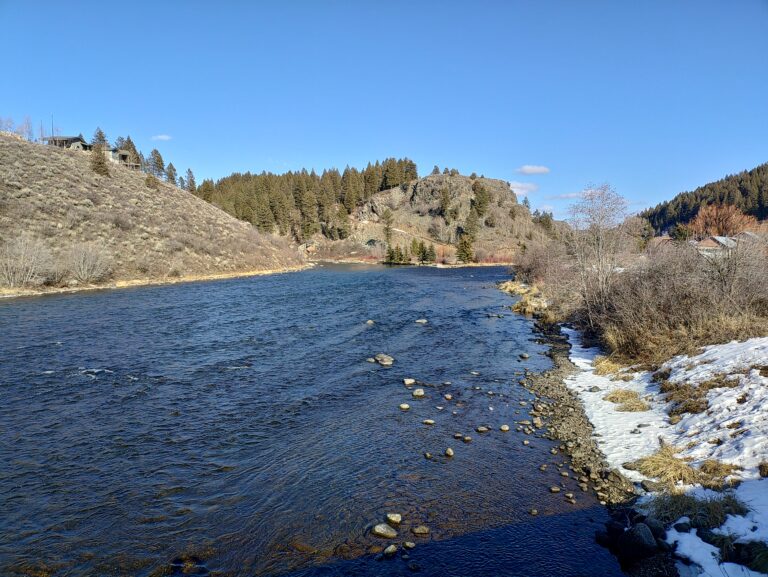
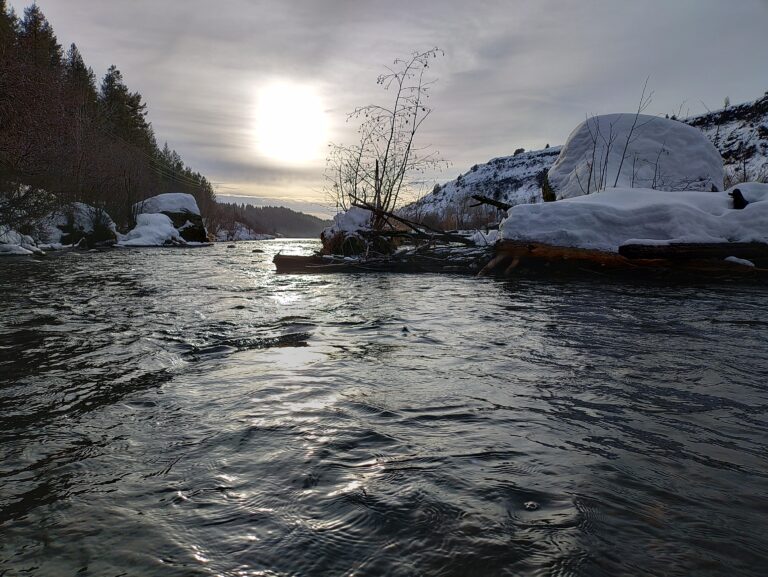
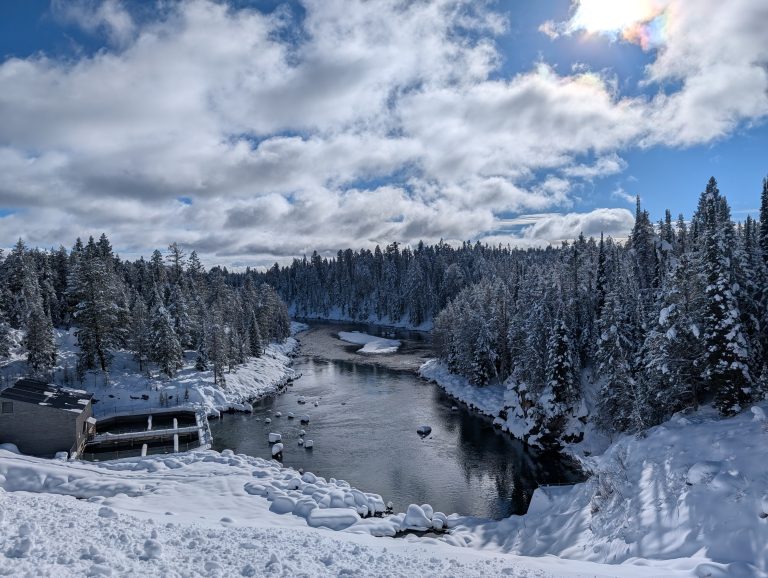
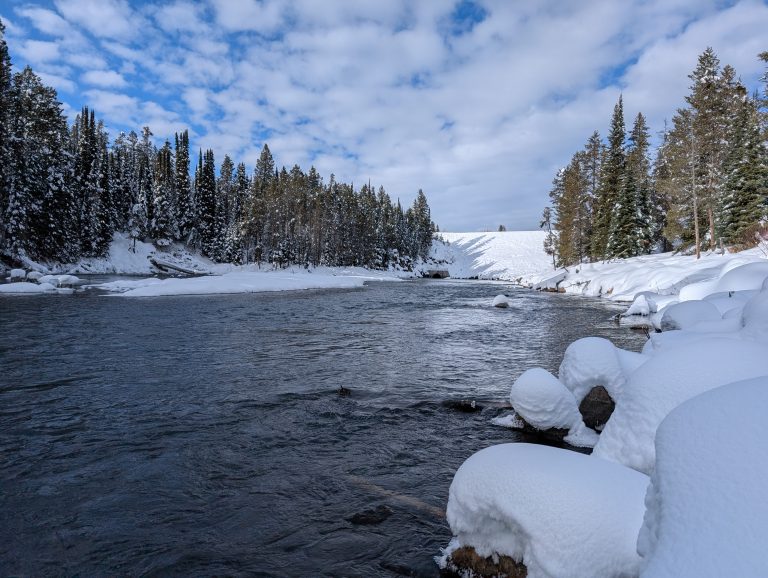
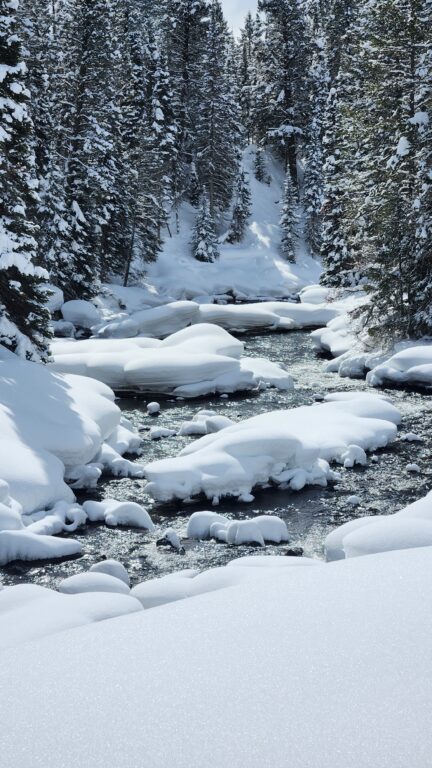
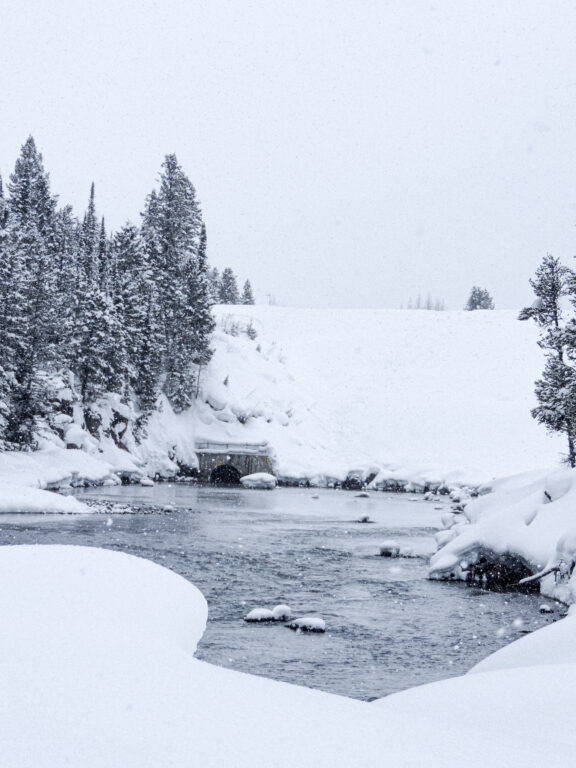
Looking downstream from Island Park Dam on January 6, 2025 after a fresh snowfall. How did Island Park winter flow shape up in 2025? Winter flow in Island Park refers to the December–February (“winter”) period critical for survival of juvenile rainbow trout immediately downstream of Island Park Dam (primarily in Box Canyon), a period of time that ended last Friday. So, if you missed the daily water report in which I analyzed winter streamflow at Island Park Dam and downstream through Box Canyon, I share the results below. Beyond just digging into winter flow operations in 2025, I also share answers to questions like: Why is winter flow so important? What about low flows in the fall? What about the glory days? What role does hydropower play? Why is precision management good for winter flow? What does the future hold? This blog post is long—about a 15- to 20-minute read-time—I recognize that. But I have been working on this topic for 30 years and wanted a place to share everything we know in one place about the role of winter flow in producing trout for the Box Canyon and Ranch fisheries. I encourage you to read the blog post in

Read More »
snowy view of Snake River
Rob Van Kirk

How Much Snow Does Henry’s Fork Need for Average Streamflow?

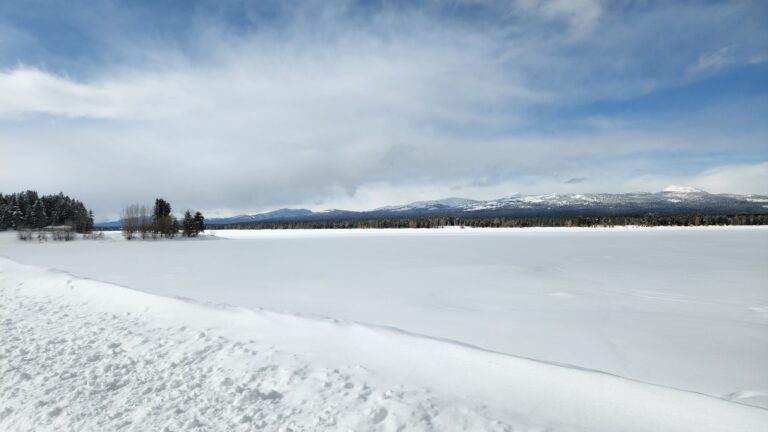
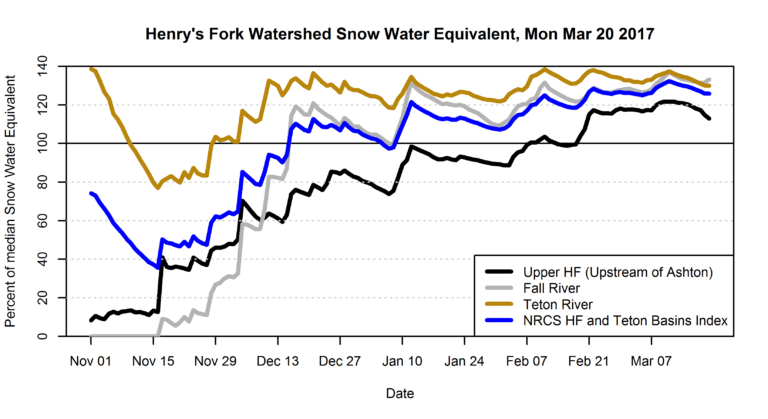
And what does “average” mean, anyway? Now that we are about 75% of the way through the snow accumulation season, we have enough information to make predictions of water supply for the upcoming April–September 2025 season. A water report reader earlier this week suggested that I calculate probabilities of reaching average streamflow from where we currently stand (as of February 20). Thank you for the suggestion—here are the results! A little background information Let me first say the terms “water supply” and “natural streamflow” mean the same thing: the total amount of streamflow doled out to the river system by the watershed from snow, rain, and groundwater springs. Management such as reservoir storage and delivery and irrigation diversion determine the actual amount of streamflow in a reach of river at any given time, but natural flow is independent of management and is the finite amount of water we have to work with. Second, the depth of snow on the ground does not determine water supply for the spring and summer. How much water is in the snow determines spring and summer water supply. That’s why I report snow water equivalent (SWE). SWE is the depth of water obtained from the

Read More »
Fly fishing
Rob Van Kirk

Water Year 2024 Technical Report

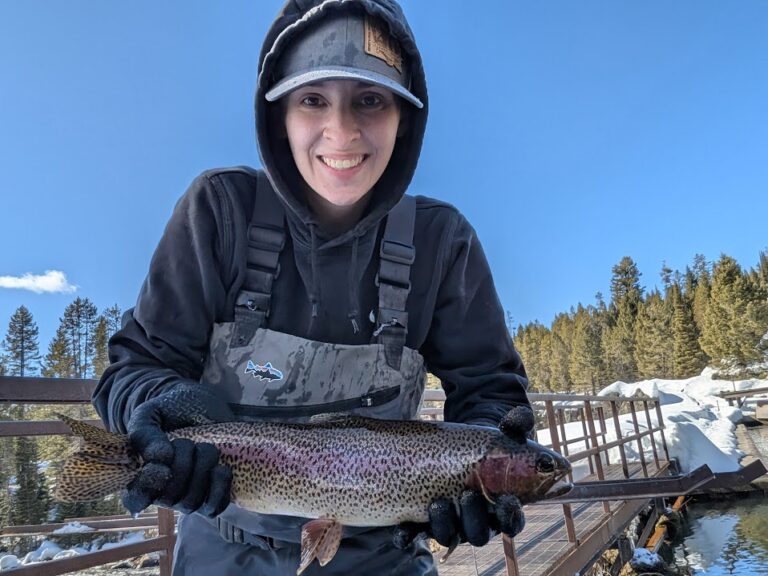
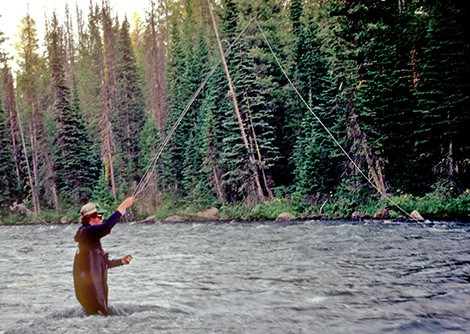
As most of you know, I started fishing the Harriman Ranch reach of the Henry’s Fork in 1977. I worked for Henry’s Fork Anglers from 1981 through 1987 and fished the Box, Last Chance, and Ranch all summer during those years. I was literally behind the counter at Henry’s Fork Anglers in 1984 while the founders of what would become the Henry’s Fork Foundation were meeting at Joan and Jim Lansche’s cabin. They founded the organization because there were tangible threats to the river—most notably hydroelectric power developments proposed at Island Park Dam and Mesa Falls. There were also other visible sources of degradation, including livestock grazing along the streambanks, at the same time as the fishing was still great. Although I had many great years of fishing the Henry’s Fork back then, nothing could compare with 1984, when I caught two rainbow trout in the 25–26 inch range within two weeks of each other, one in the Box and one in the Ranch. But by the summer of 1985, anglers were starting to report declines in the fishing experience, and by 1987—heading into what would be the first multi-year drought in nearly 20 years—anglers were genuinely worried about the

Read More »
team-members collecting samples
Rob Van Kirk

Ten Years of Aquatic Insect Data from the Henry’s Fork: What have we learned?

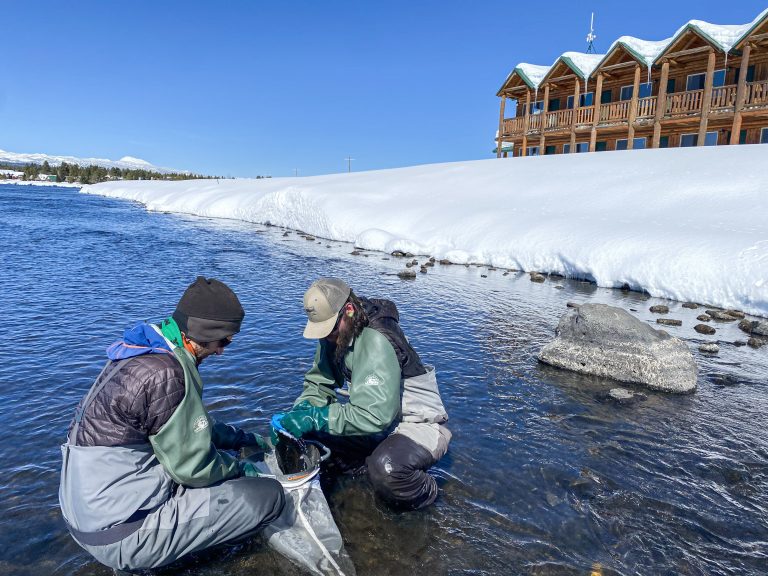
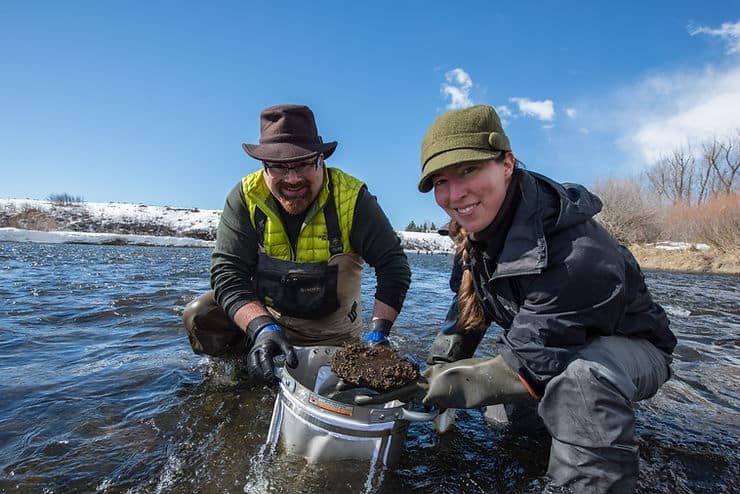
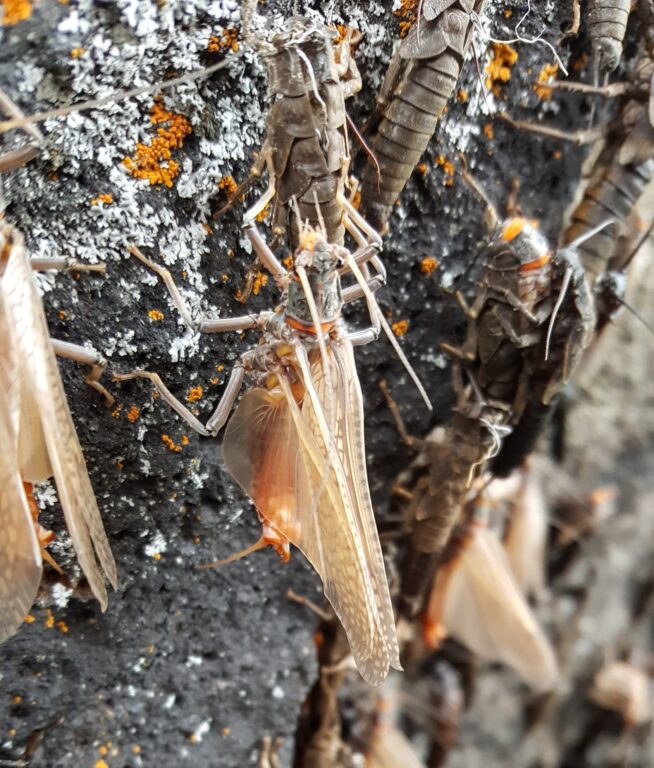
To address angler concerns about decreased Henry’s Fork hatches, particularly at Last Chance and the upper Ranch, and holistically assess ecological function throughout the mainstem Henry’s Fork, we implemented a statistically rigorous study of aquatic invertebrates in 2015. This followed implementation of a watershed-wide water-quality monitoring program in 2014 and prompted subsequent expansion of stream gaging. The result to date is a unique data set of 50 independent observations of macroinvertebrates collected at six different sites on the river over a 10-year period, each accompanied by a full suite of water-quality and streamflow variables. The sites—Flat Rock, Last Chance, Osborne Bridge, Marysville, Ashton Dam, and St. Anthony—represent conditions over the 80 miles of river most popular among anglers. We analyzed invertebrate abundance, five standard community metrics—abundance, Shannon’s diversity, EPT taxa richness (the number of mayfly, stonefly, and caddisfly species), Hilsenhoff Biotic Index (HBI), percent non-insects, and percent EPT—as well as the abundance of Pale Morning Duns (Ephemerella sp.), Drunella mayflies (Flavs + Green Drakes), and Spotted Sedge caddis (Hydropsychidae), three species of interest to anglers. For each of these response variables, we tested for dependence on distance downstream from Big Springs as would be predicted by the River Continuum Concept, difference

Read More »